
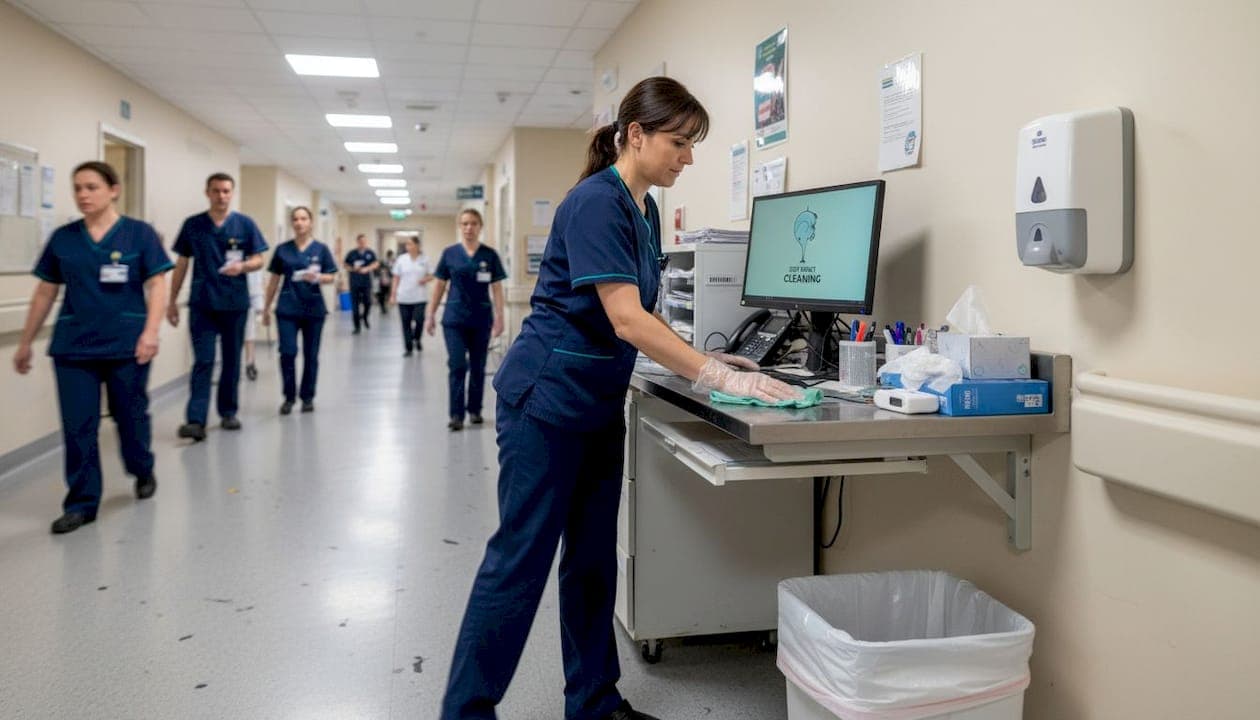
Many facility managers assume that periodic deep cleans are enough to maintain a safe, hygienic environment. This misconception can leave facilities vulnerable to persistent contamination and infection risks. In reality, routine cleaning improves cleaning thoroughness from 49% to 82% and reduces healthcare-associated infections (HAIs) by 42.6%, demonstrating its critical role in sustaining health outcomes. This article clarifies why routine cleaning outperforms episodic approaches, explores the methodologies that optimise results, and provides practical guidance for facility managers seeking to implement effective, evidence-based cleaning programmes in healthcare and commercial settings.
Table of Contents
- Key Takeaways
- How routine cleaning reduces risks in healthcare and commercial facilities
- Standard methodologies and schedules that optimise routine cleaning outcomes
- Evidence and expert perspectives on the superiority of routine cleaning over episodic deep cleaning
- Implementing and monitoring effective routine cleaning programmes for lasting facility health
- Discover expert cleaning solutions with Just About Cleaning
- Frequently asked questions
Key Takeaways
| Point | Details |
|---|---|
| Routine cleaning reduces risk | Regular cleaning significantly lowers surface contamination and infection risk and improves health outcomes compared with infrequent episodic deep cleans. |
| Compliance matters | When thoroughness rises from 49 percent to 100 percent, infection rates drop, underscoring the importance of consistent routines. |
| One off cleans fail | A single deep clean cannot sustain hygiene because pathogens recolonise within hours. |
| Standardised schedules | Daily attention to high risk zones and colour coded tools streamline cleaning and reduce costs. |
How routine cleaning reduces risks in healthcare and commercial facilities
Routine cleaning mechanically removes pathogens and contaminants from surfaces, interrupting transmission pathways that lead to infection and illness. In healthcare environments, reducing surface contamination interrupts fomite transmission of pathogens effectively, protecting vulnerable patients and staff. Enhanced cleaning protocols have been shown to reduce HAIs by approximately 40%, a substantial improvement that directly translates to better patient outcomes and reduced healthcare costs. These protocols focus on high-touch surfaces such as bed rails, door handles, and medical equipment, where pathogens accumulate rapidly.
Commercial facilities also benefit significantly from routine cleaning. Regular disinfection lowers absenteeism by reducing illness caused by microbial contamination on shared surfaces like keyboards, phones, and meeting room tables. Employees exposed to cleaner environments experience fewer respiratory infections and gastrointestinal illnesses, which improves productivity and morale. Beyond pathogen control, routine cleaning boosts air quality by controlling dust, allergens, and particulate matter that accumulate in carpets, HVAC systems, and ventilation grilles. Cleaner air reduces respiratory complaints and creates a more comfortable working environment.
Compliance rates demonstrate the importance of disciplined routines. When cleaning thoroughness improved from 49% to 100% in controlled studies, infection rates dropped dramatically. This data underscores that consistency matters more than intensity. A single deep clean cannot sustain hygiene if surfaces are left unattended for days or weeks. Pathogens recolonise quickly, often within hours, rendering episodic efforts ineffective. Facility managers who adopt routine cleaning methodologies aligned with industry standards can expect measurable improvements in health outcomes and operational efficiency.
"Enhanced routine cleaning reduces MRSA environmental detection by 41%, highlighting sustained reduction in pathogen presence that episodic cleaning cannot achieve."
Key benefits of routine cleaning include:
- Mechanical removal of pathogens before they reach infectious levels
- Sustained reduction in surface contamination over time
- Lower healthcare-associated infection rates in clinical settings
- Reduced employee absenteeism in commercial environments
- Improved air quality and occupant comfort
- Demonstrated compliance improvements leading to better outcomes
Standard methodologies and schedules that optimise routine cleaning outcomes
Cleaning frequency schedules vary by facility type but share a common focus on daily attention to high-risk zones. Structured approaches recommend daily disinfection of high-touch areas and colour-coded tools to prevent cross-contamination, ensuring that cleaning staff follow protocols that minimise risk. In healthcare, exam rooms require terminal cleaning after each patient, involving thorough disinfection of all surfaces, equipment, and fixtures. Restrooms in clinical settings demand cleaning at least twice daily to control bacterial and viral loads. Operating theatres and intensive care units follow even stricter schedules, with continuous monitoring and immediate response to contamination events.
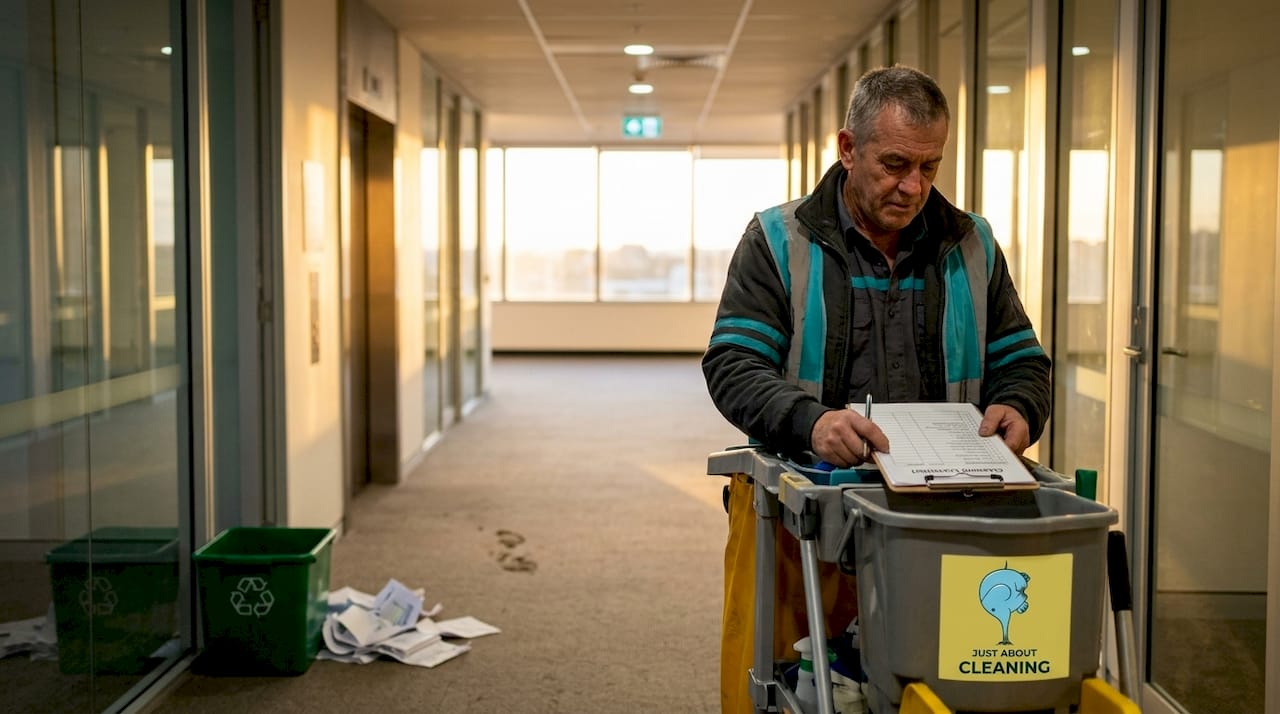
Commercial offices typically clean restrooms daily and floors five times weekly, adjusting frequency based on occupancy and usage patterns. High-traffic areas such as lobbies, lifts, and break rooms receive more frequent attention than private offices or storage areas. Colour-coded cleaning tools play a vital role in preventing cross-contamination between zones. Red cloths and mops are reserved for restrooms, green for food preparation areas, blue for general office spaces, and yellow for clinical or high-risk zones. This system reduces the risk of transferring pathogens from contaminated areas to clean spaces, a common failure point in poorly managed cleaning programmes.
ATP and fluorescent monitoring enable objective validation of cleaning success. ATP meters measure adenosine triphosphate, a molecule present in all living cells, providing a rapid indication of organic contamination. Fluorescent markers applied before cleaning reveal missed areas under UV light, offering visual feedback to staff and auditors. These technologies support continuous improvement by identifying training gaps and process failures before they compromise health outcomes. Healthcare spaces require per-patient terminal cleaning for exam rooms; commercial offices typically clean restrooms twice daily and floors five times a week, reflecting the different risk profiles and regulatory expectations of each sector.
Implementing effective routine cleaning involves:
- Assess facility type, occupancy, and risk zones to determine appropriate cleaning frequency
- Develop standardised operating procedures that specify tasks, tools, and disinfectants for each area
- Train staff on protocols, emphasising colour-coded systems and proper disinfectant contact times
- Establish daily, weekly, and monthly schedules that prioritise high-touch and high-risk surfaces
- Deploy ATP or fluorescent monitoring to validate cleaning thoroughness objectively
- Conduct regular audits to ensure compliance and identify improvement opportunities
- Integrate technology platforms for traceability, scheduling, and performance tracking
| Facility type | Exam rooms / Offices | Restrooms | Floors | High-touch surfaces |
|---|---|---|---|---|
| Healthcare | Per patient | 2x daily | Daily | Continuous |
| Commercial | Weekly | Daily | 5x weekly | Daily |
Pro Tip: Track compliance with technology platforms that log cleaning tasks in real time. This reduces human error and mitigates the impact of staff turnover, ensuring consistent quality even when personnel change.
Adopting routine cleaning best practices supported by approved disinfection techniques ensures that facilities maintain hygiene standards that protect occupants and comply with regulatory requirements.
Evidence and expert perspectives on the superiority of routine cleaning over episodic deep cleaning
Routine cleaning maintains reduced microbial loads over time, whereas episodic deep cleaning often leads to rebound contamination. Enhanced routine cleaning reduces MRSA environmental detection by 41%, highlighting sustained reduction in pathogen presence that one-time interventions cannot achieve. Deep cleans can temporarily reduce contamination to very low levels, but without consistent follow-up, surfaces recolonise rapidly. Pathogens introduced by occupants, airborne particles, and environmental sources quickly restore contamination to pre-cleaning levels, often within 24 to 48 hours. This rebound effect undermines the investment in deep cleaning and leaves facilities vulnerable during the intervals between interventions.
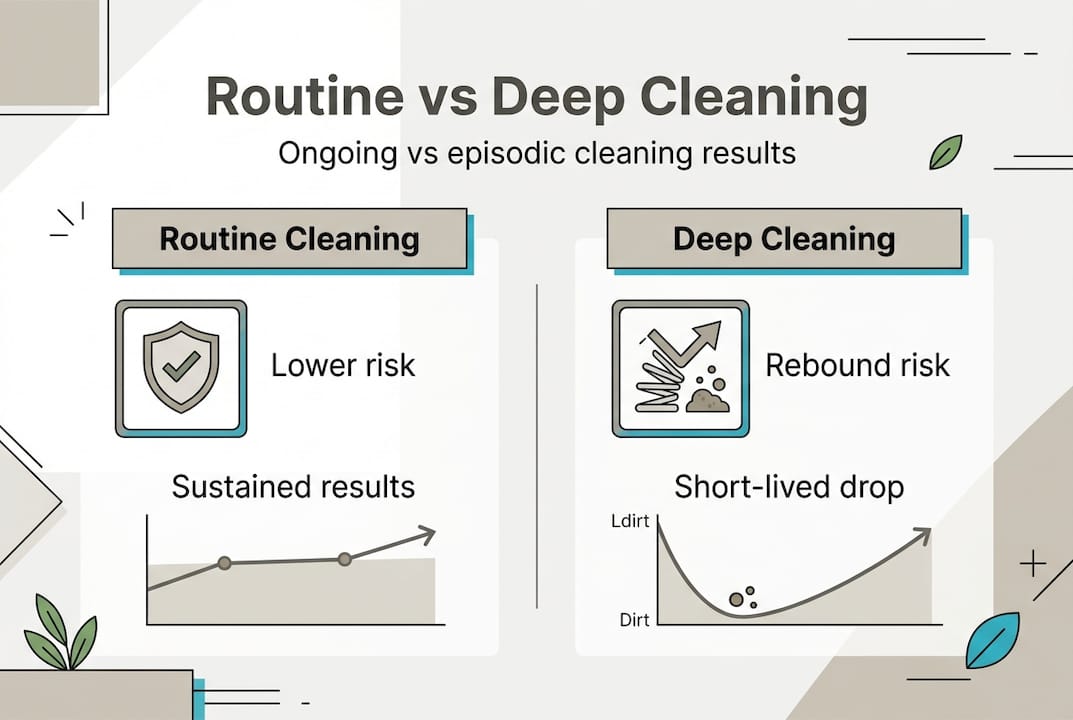
Comparison data illustrate the difference. Facilities relying on quarterly deep cleans experience average contamination levels that fluctuate widely, with peaks coinciding with the weeks before scheduled cleaning. Infection rates follow similar patterns, rising as contamination accumulates. In contrast, facilities with daily routine cleaning maintain stable, low contamination levels and consistently lower infection rates. One-time deep cleaning leads to rebound contamination without consistent follow-up, emphasising the importance of sustained effort over episodic intensity.
| Cleaning approach | Average contamination level | Rebound risk | Infection rate reduction |
|---|---|---|---|
| Routine daily | Low, stable | Minimal | 40% to 45% |
| Episodic deep (quarterly) | High, fluctuating | Significant | 10% to 15% |
Experts recommend integrating EPA-registered disinfectants with routine schedules and hand hygiene protocols to maximise infection control. Disinfectants must be used according to label instructions, including proper dilution and contact times, to ensure efficacy against target pathogens. Hand hygiene remains a critical complement to environmental cleaning, as even the cleanest surfaces can be recontaminated by unwashed hands. Multimodal approaches that combine cleaning, disinfection, hand hygiene, and environmental monitoring deliver the best results.
Compliance monitoring and auditing are vital to sustained results and demonstrating return on investment. Audits verify that cleaning tasks are completed as specified, disinfectants are applied correctly, and surfaces meet cleanliness standards. Regular feedback loops help staff improve performance and reinforce the importance of their role in infection prevention. Facility managers can use audit data to justify budgets, demonstrate value to stakeholders, and identify cost-saving opportunities through process optimisation.
Pro Tip: Implement multimodal monitoring, combining ATP testing and fluorescent markers, especially in high-risk areas like intensive care units and operating theatres. Early detection of lapses allows rapid corrective action before contamination leads to infection.
Facility managers exploring cleaning program comparisons can learn more about routine versus deep cleaning effectiveness to make evidence-based decisions that prioritise occupant health and operational efficiency.
Implementing and monitoring effective routine cleaning programmes for lasting facility health
Routine cleaning compliance can be improved with traceability and monitoring technologies that provide real-time visibility into cleaning activities. Challenges such as staffing turnover necessitate traceability technology to ensure consistent cleaning quality, reducing reliance on individual staff knowledge and experience. Digital platforms allow supervisors to assign tasks, track completion, and verify quality through photo uploads or sensor data. These systems create accountability and provide documentation that supports regulatory compliance and quality assurance.
Regular audits verify cleaning performance and prove return on investment to stakeholders. Measuring cleaning efficacy via audits supports better return on investment and health outcomes, demonstrating the financial and health benefits of sustained cleaning programmes. Audits should assess both process compliance, such as whether staff followed protocols, and outcome measures, such as ATP readings or infection rates. Combining these perspectives provides a complete picture of programme effectiveness and highlights areas for improvement.
Structured training programmes and standardised operating procedures help reduce variability caused by staff changes. New employees receive consistent onboarding that covers cleaning techniques, product usage, safety protocols, and quality expectations. Refresher training ensures that experienced staff stay current with evolving best practices and new technologies. SOPs document every task in detail, specifying tools, products, frequencies, and quality standards. This documentation serves as a reference for staff and a foundation for audits and continuous improvement initiatives.
Implementing a successful routine cleaning programme involves:
- Conduct a comprehensive facility assessment to identify high-risk zones, occupancy patterns, and regulatory requirements
- Develop standardised operating procedures tailored to each area, specifying tasks, frequencies, and quality standards
- Train staff on protocols, emphasising proper disinfectant use, colour-coded systems, and safety practices
- Establish daily, weekly, and monthly schedules that prioritise high-touch surfaces and high-risk areas
- Deploy traceability technology to log tasks, track compliance, and provide real-time visibility
- Conduct regular audits using ATP testing, fluorescent markers, and visual inspections to verify quality
- Analyse audit data to identify trends, training needs, and process improvements
- Communicate results to stakeholders, demonstrating health outcomes and return on investment
Pro Tip: Integrate HVAC maintenance and hand hygiene practices with cleaning protocols for comprehensive infection control. Clean ventilation systems reduce airborne contaminants, while hand hygiene prevents recontamination of cleaned surfaces, creating a synergistic effect that maximises health outcomes.
Facility managers seeking expert support can explore cleaning compliance solutions that combine proven methodologies with advanced monitoring to ensure consistent, high-quality results.
Discover expert cleaning solutions with Just About Cleaning
Maintaining effective routine cleaning programmes requires expertise, consistency, and the right tools. Just About Cleaning specialises in routine cleaning tailored for healthcare and commercial facilities, using proven methodologies supported by industry standards and advanced monitoring technologies. Their expert teams understand the unique challenges of different environments, from high-risk clinical settings to busy commercial offices, and deliver customised solutions that meet regulatory requirements and exceed client expectations.
Partnering with Just About Cleaning ensures compliance, reduces infection risks, and improves facility health. Their services help facility managers implement effective, traceable cleaning programmes easily, freeing internal resources to focus on core operations. With over 15 years of experience and a commitment to environmental sustainability, Just About Cleaning delivers reliable, high-quality results that protect occupants and enhance operational performance. Discover how professional commercial cleaning services can transform your facility's hygiene and health outcomes.
Frequently asked questions
What is routine cleaning and why is it important?
Routine cleaning involves regularly scheduled cleaning and disinfecting activities designed to reduce contaminants and interrupt pathogen transmission. It is vital for sustaining safe, healthy environments, especially in healthcare and commercial spaces where occupants face elevated infection risks. Consistent routines maintain low contamination levels over time, preventing the rebound effect seen with episodic approaches.
How often should commercial and healthcare facilities perform routine cleaning?
Healthcare exam rooms require terminal cleaning after each patient, while restrooms need cleaning at least twice daily. Commercial offices typically clean floors five times weekly and restrooms daily, adjusting frequency based on occupancy and usage patterns. High-touch surfaces in both settings demand daily or continuous attention to control pathogen transmission effectively.
What methods ensure routine cleaning effectively reduces infection risk?
Effective routine cleaning combines EPA-registered disinfectants with mechanical cleaning techniques that remove organic matter. Colour-coded tools prevent cross-contamination between zones, while ATP and fluorescent monitoring provide objective validation of cleaning thoroughness. Regular compliance audits ensure that protocols are followed consistently, maximising infection control outcomes.
What challenges affect routine cleaning compliance and how can they be overcome?
Staff turnover can reduce compliance and cleaning quality by disrupting institutional knowledge and consistency. Traceability and monitoring technologies help maintain consistent routines despite personnel changes by documenting tasks, providing real-time visibility, and supporting structured training programmes. Standardised operating procedures ensure that new staff can quickly achieve competency and deliver reliable results.