
TL;DR:
- Most Australians underestimate the buildup of indoor allergens in carpets, bedding, and curtains, which can harm health. Regular cleaning, especially with eco-friendly methods like steam cleaning and HEPA vacuuming, effectively reduces allergens and improves indoor air quality. Combining routine cleaning with moisture control, air purification, and allergen-proof covers offers the best protection for allergy and asthma sufferers.
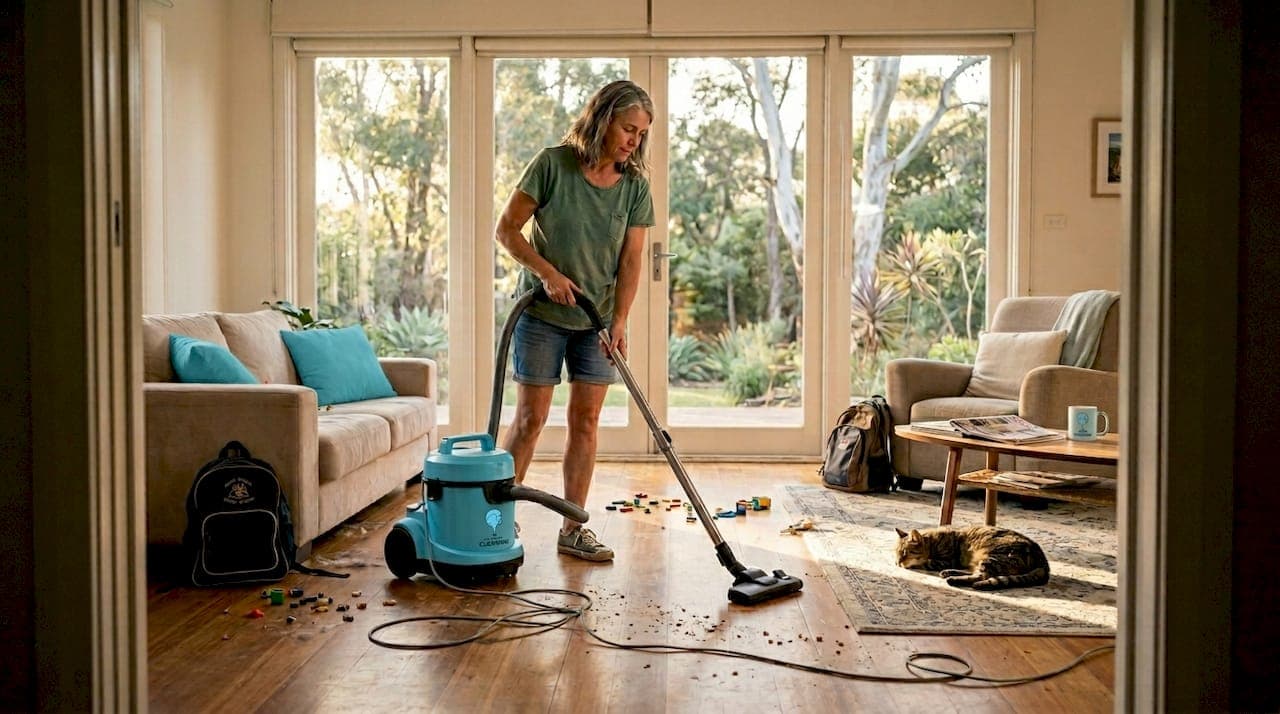
Most Australians wipe down the kitchen bench and call it done — yet the invisible world building up in your carpets, bedding, and curtains tells a very different story. About 8% of Australians suffer from hay fever linked to indoor allergens, and indoor mould is connected to millions of asthma cases across the country. Regular cleaning isn't just about keeping up appearances. It's one of the most practical, evidence-backed tools you have for protecting your family's health, reducing allergy triggers, and creating a genuinely safe place to live. This guide covers what the evidence says, where common habits fall short, and how eco-friendly routines can make a real difference in your home.
Table of Contents
- How regular cleaning supports your family's health
- Common misconceptions about cleaning (and what actually works))
- Eco-friendly routines for a healthier, safer home
- Limitations and next steps: Combining cleaning with other solutions
- The truth most guides miss about home cleaning and health
- Get started with easier, healthier cleaning solutions
- Frequently asked questions
Key Takeaways
| Point | Details |
|---|---|
| Regular cleaning reduces allergens | Cleaning carpets and surfaces weekly can help lower dust, pollen, and pet dander in your home. |
| Eco-friendly routines protect health | Using safe, green methods avoids chemical risks and safeguards your family and pets. |
| Complete allergen removal is unrealistic | Focus on regular reduction, not perfection, and supplement cleaning with other solutions like air filters. |
| High-touch areas need priority | Bedrooms, living rooms, and kitchens collect most germs; clean these zones often for best results. |
How regular cleaning supports your family's health
After setting the stage for why home cleaning matters, let's look closer at the health impact. Most people are surprised to learn how quickly allergens build up indoors, even in homes that look perfectly tidy on the surface. Dust mites, for example, thrive in mattresses, pillows, and upholstered furniture. A single gram of house dust can contain thousands of dust mite faecal particles, which are among the most potent indoor allergens known. Pollen drifts in through open windows and sticks to soft furnishings. Pet dander settles into carpet fibres within hours of your dog or cat moving through a room. Mould spores circulate invisibly in humid air, landing on walls, grout, and fabrics where they quietly multiply.
Without frequent cleaning, these particles accumulate to levels that directly affect breathing, sleep, and immune responses. Children are particularly vulnerable because their respiratory systems are still developing. Elderly family members and anyone living with asthma or existing allergies face higher risks too, as even moderate allergen exposure can trigger significant symptoms in these groups.
Indoor mould is linked to 4.6 million asthma cases in Australia, making it one of the most significant preventable household health hazards.
Beyond allergens, high-touch surfaces in your home — door handles, light switches, benchtops, remote controls, and tap fittings — harbour viruses and bacteria that spread illness through the household. The CDC recommends regular cleaning of these surfaces with soap and water as the foundation for preventing illness spread. This isn't about creating a sterile laboratory environment. It's about keeping germ loads low enough that your family's immune system isn't constantly playing catch-up.
Common health risks linked to poor cleaning habits include:
- Increased asthma attacks triggered by dust mite and mould allergens
- Hay fever symptoms worsening due to pollen accumulation on surfaces and textiles
- Skin irritation from pet dander embedded in soft furnishings
- Gastroenteritis spreading through kitchens and bathrooms with infrequent disinfection
- Respiratory infections from airborne bacteria in poorly ventilated, uncleaned spaces
- Sleep disturbance caused by allergen exposure in bedrooms
Understanding cleaning and air quality connections is essential, because the air inside your home can be significantly more polluted than outdoor air if cleaning is neglected. Adopting strong hygiene practices from the outset protects the people you care about most.
Pro Tip: If you're pressed for time, prioritise your bedrooms and living areas. These are where your family spends the most time and where allergen exposure has the greatest cumulative impact on health.
Common misconceptions about cleaning (and what actually works)
Understanding the health benefits, let's call out what most of us get wrong about cleaning and set the record straight. One of the most widespread beliefs is that a thorough deep clean once or twice a year is sufficient to keep a home healthy. In reality, dust mites repopulate within days, and mould spores can establish new colonies within 24 to 48 hours in the right conditions. Sporadic intensive cleans address visible grime but do very little for the ongoing biological activity happening in your furnishings and air.
Another common misconception is that eco-friendly products simply don't clean as effectively as conventional chemical ones. The data challenges this directly. Hot water extraction cleaning reduces dust mite allergens by 91%, pet allergens by 95 to 97%, and airborne mould by 55%, all without relying on harsh chemicals. That's a more powerful allergen reduction than most conventional spray-and-wipe products deliver. The method matters just as much as what you're cleaning with.
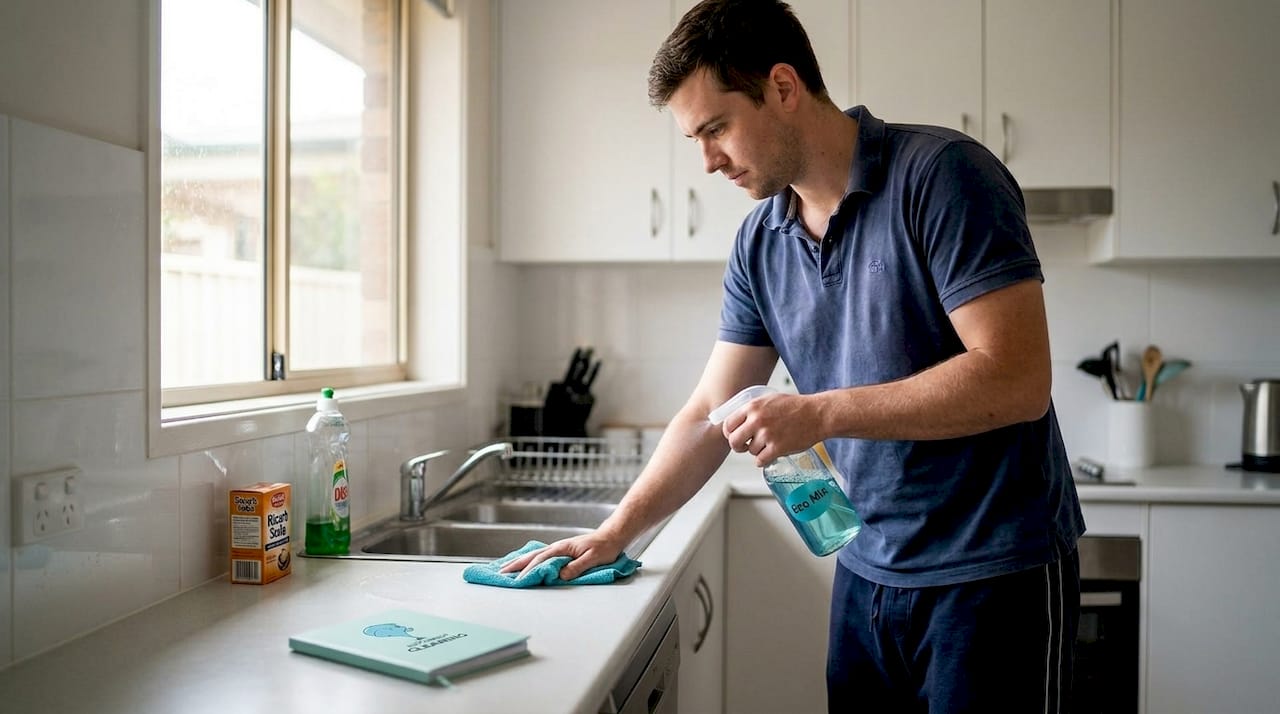
There's also a real concern around chemical overuse. Frequent use of chemical cleaning products is linked to higher asthma risk and reduced lung function, particularly in children and people with existing respiratory conditions. This means that reaching for the strongest disinfectant spray on the market could, over time, create the very health problems you're trying to avoid.
| Method | Allergen removal | Respiratory safety | Environmental impact |
|---|---|---|---|
| Conventional chemical products | Moderate | Lower (linked to asthma risk) | Higher chemical load |
| Eco-friendly products | Moderate to high | Better (fewer irritants) | Lower environmental impact |
| Steam/hot water extraction | Very high (91%+ dust mites) | Excellent (no chemicals) | Minimal waste |
Here are three steps for a truly effective, allergen-reducing cleaning routine:
- Vacuum first, always. Use a HEPA-filtered vacuum on all carpets, rugs, soft furniture, and mattresses before wiping down surfaces. This captures particles rather than redistributing them into the air.
- Wash bedding weekly in hot water. Temperatures above 60°C are necessary to kill dust mites. Drying in direct sunlight adds another layer of protection.
- Address moisture sources promptly. Wipe down bathroom tiles after showering, fix leaks immediately, and use exhaust fans in kitchens and bathrooms to prevent the damp conditions mould needs to grow.
Following spring cleaning tips tailored to Australian conditions can help you structure this routine around seasonal changes, when pollen counts and humidity levels shift noticeably. Revisiting your cleaning best practices regularly ensures your approach stays effective as your household's needs change.
Pro Tip: Invest in a HEPA-filtered vacuum cleaner. Standard vacuum bags can release fine particles back into the air, while HEPA filters trap allergens as small as 0.3 microns, including dust mite particles, mould spores, and pet dander.
Eco-friendly routines for a healthier, safer home
Now, moving from myths and methods to hands-on application, here's how to create safer, greener cleaning habits. Building a sustainable routine doesn't mean overhauling everything at once. It means making consistent, manageable changes that accumulate into real health benefits over time.
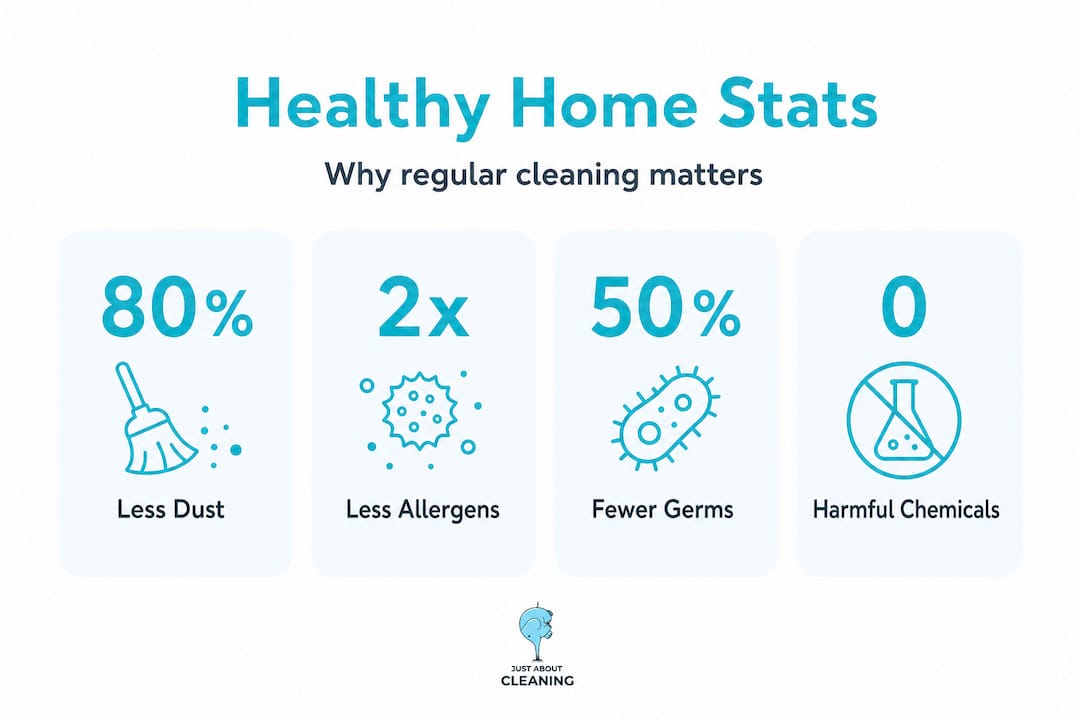
For Australian homes specifically, HEPA vacuums, steam methods, and ventilation are the most effective tools in high-allergen environments, and weekly routines are strongly recommended for households dealing with asthma or allergies. Australia's humidity levels, particularly along coastal regions, create ideal conditions for mould growth, so ventilation is not optional. It's essential.
Here's a practical schedule overview:
- Daily: Wipe down kitchen benches and stovetops after use. Air out bedrooms. Ventilate bathrooms after showers.
- Weekly: Vacuum all carpets and rugs with a HEPA vacuum. Wash bedding in hot water. Mop hard floors with a damp mop and eco-friendly solution. Clean bathroom surfaces and toilet.
- Monthly: Wash curtains and fabric blinds. Steam clean upholstered furniture if possible. Check and clean air conditioning filters. Wipe down ceiling fans and light fittings.
| Conventional chemical | Eco alternative | Effectiveness | Allergy/safety impact |
|---|---|---|---|
| Bleach-based bathroom cleaner | White vinegar and bicarb soda | High for mould | Safer for skin and lungs |
| Synthetic floor cleaner | Castile soap and water | High for general dirt | Non-toxic, pet-safe |
| Chemical spray disinfectant | Steam cleaning | Very high for bacteria | No chemical residue |
| Petroleum-based furniture polish | Olive oil and lemon juice | Moderate | Food-safe, biodegradable |
| Synthetic air freshener | Essential oil diffuser | Not a cleaner, only fragrance | Natural, low irritant risk |
The top five eco-friendly cleaning essentials for Australian homes include:
- White vinegar: Cuts grease, removes mould from bathroom tiles, and is safe around most surfaces
- Bicarb soda (bicarbonate of soda): Neutralises odours, gently abrades grime, and is completely non-toxic
- Castile soap: A plant-based soap effective on floors, benches, and general surfaces without leaving chemical residue
- Microfibre cloths: Capture bacteria and allergens physically without requiring any cleaning product at all
- Tea tree essential oil: A natural antifungal and antibacterial agent useful in bathrooms and laundry routines
If you have pets, these eco options are also safer than many conventional products that contain ingredients harmful to dogs and cats. Exploring pet-friendly cleaning tips alongside the broader picture of eco-friendly cleaning facts gives you a well-rounded foundation for making safer choices at home.
Limitations and next steps: Combining cleaning with other solutions
Having covered eco routines, it's important to be realistic about what cleaning can and can't accomplish for your health. Cleaning is genuinely powerful, but it works best as part of a broader strategy. Clinical evidence provides a sobering but useful perspective here.
Meta-analysis research shows that reducing dust and allergen levels through cleaning does not always lead to measurable improvement in asthma symptoms or quality of life on its own.
This doesn't mean cleaning is pointless. Far from it. What it means is that cleaning is most effective when you combine it with complementary measures tailored to your household. Evidence from Cochrane suggests that encasing mattresses and pillows in allergen-proof covers and using air purifiers with HEPA filters alongside regular cleaning gives the best results for asthma and allergy management.
A comparison of complementary strategies:
- Air purifiers with HEPA filters: Remove airborne particles between cleaning sessions, especially useful in bedrooms
- Allergen-proof mattress and pillow encasings: Create a physical barrier against dust mites in the place you spend 8 hours a night
- Humidity control: Keeping indoor humidity below 50% significantly slows mould and dust mite growth
- Regular cleaning: Removes accumulated allergens from surfaces, textiles, and air before they reach harmful concentrations
- Medical management: For people with diagnosed asthma or severe allergies, medication and specialist advice remain essential
Understanding the routine cleaning importance in context helps you set realistic goals. If your household includes someone with persistent symptoms despite regular cleaning, it's worth speaking with your GP or an allergy specialist. Professional mould remediation may also be necessary if mould has established itself behind walls or under flooring — areas no amount of surface wiping can address.
The truth most guides miss about home cleaning and health
With clear-eyed evidence behind us, here's a candid perspective on what actually works for Australian homes. Most cleaning guides set an impossible standard. They describe weekly checklists that would take an entire day to complete, recommend specialist products for every surface, and imply that anything less than a pristine home is putting your family at risk. This kind of advice creates anxiety without creating results.
The reality is that most families cannot maintain a perfect cleaning schedule. Life gets in the way. And that's fine, because the evidence doesn't actually support perfectionism. What the research consistently shows is that consistent, achievable routines outperform sporadic intensive efforts every time. A quick vacuum of the bedroom and a wipe of the bathroom twice a week does more for your family's health than a full-day deep clean once a month with nothing in between.
Your real goal is allergen reduction, not allergen elimination. Total elimination is biologically impossible in a lived-in home. What you can do is keep levels low enough that your family's immune system isn't constantly reacting. That's a realistic and achievable target. Exploring guidance on practical home cleaning strategies helps you build a routine that fits your actual life, not an idealised version of it.
The most powerful shift you can make is to tailor your cleaning schedule to your home's specific needs rather than following a generic internet checklist. A two-bedroom apartment with no pets and no carpet needs a very different routine to a four-bedroom house with two dogs and a child who has asthma. Assess your real risk factors — pets, carpet coverage, humidity, number of people — and build your routine around those. You'll get better health outcomes with less effort by working smarter in this way.
Pro Tip: Identify the two or three tasks that make the biggest difference in your specific home and prioritise those every week without fail. For most Aussie families, that's vacuuming bedrooms, washing bedding, and controlling bathroom moisture. Everything else can flex.
Get started with easier, healthier cleaning solutions
If this guide has shown you anything, it's that effective home cleaning doesn't require harsh chemicals, marathon sessions, or expensive equipment. It requires consistency, the right tools, and a routine built around your family's real needs.
Just About Cleaning has spent over 15 years helping Australians maintain genuinely hygienic, healthy environments using eco-responsible methods and trained professionals who understand what actually works. Whether you're looking for expert advice on setting up a healthier home routine or need professional support for a deeper clean, our team is here to help. We align our services with the same eco-friendly values this article has outlined — because we believe clean spaces and healthy environments go hand in hand. Visit Just About Cleaning to learn more about how we can support your home and health goals.
Frequently asked questions
How often should you clean to reduce allergens in an Australian home?
Weekly cleaning routines are recommended for most homes, but households with pets, children, or allergy sufferers may benefit from more frequent attention to high-use areas such as bedrooms and living spaces.
Are eco-friendly cleaning products as effective as conventional ones for allergy control?
Eco-friendly methods, especially steam and hot water extraction, can outperform conventional spray products for allergen removal when applied correctly and consistently alongside a regular cleaning routine.
Can regular cleaning cure asthma or allergies?
Meta-analysis findings show that cleaning reliably reduces allergen exposure but does not always fully resolve asthma or allergy symptoms, which is why it works best as part of a broader management strategy including medical advice.
Which rooms in the house should I prioritise for cleaning?
Bedrooms, living areas, and bathrooms collect the highest concentrations of allergens and germs, so these deserve the most consistent attention. High-touch surface cleaning in kitchens and bathrooms is particularly effective at reducing illness spread throughout the household.
Is it better to clean or disinfect surfaces regularly?
Routine cleaning with soap and water removes the vast majority of germs from everyday surfaces. The CDC recommends disinfecting selectively — only when someone in the household is ill or when specific health guidance requires it — rather than as a daily practice.