
TL;DR:
- Terminal cleaning involves a comprehensive, evidence-based disinfection process aimed at eliminating pathogens from all surfaces after room occupancy ends. It follows a strict top-to-bottom, clean-to-dirty protocol, requires detailed documentation, staff training, and proper use of EPA-registered disinfectants to ensure environmental safety across healthcare, educational, and hospitality settings. Effective programs depend on written procedures, regular staff assessments, and understanding that compliance and proper application are crucial to prevent infection transmission.
Terminal cleaning is a process that goes far beyond wiping down surfaces and mopping floors. If you manage a healthcare facility, school, or hotel, understanding what is terminal cleaning and how it differs from routine maintenance is one of the most consequential hygiene decisions you will make. A common misconception treats terminal cleaning as simply a deep clean, when in reality it is a structured, evidence-based process designed to eliminate pathogens from every surface in a space. This guide walks you through procedures, compliance obligations, and practical implementation across multiple facility types.
Table of Contents
- Key takeaways
- What is terminal cleaning: definition and scope
- Why terminal cleaning matters across industries
- Terminal cleaning vs. routine and room turnover cleaning
- Managing terminal cleaning programmes effectively
- Environmental hygiene and air quality considerations
- My perspective on terminal cleaning in practice
- How Just About Cleaning can help your facility
- FAQ
Key takeaways
| Point | Details |
|---|---|
| Terminal cleaning is not routine cleaning | It is a complete, documented disinfection of an entire space, not a standard maintenance task. |
| Procedures follow a strict method | The top-to-bottom, clean-to-dirty approach covers all surfaces, equipment, and ventilation. |
| Compliance depends on documentation | Cleaning logs with start and end times are mandatory for accreditation and regulatory surveys. |
| Facility liability remains regardless of provider | Whether you use in-house or contracted staff, your facility is responsible for meeting standards. |
| Staff training is non-negotiable | Consistent outcomes rely on repeated, verified training aligned to infection control protocols. |
What is terminal cleaning: definition and scope
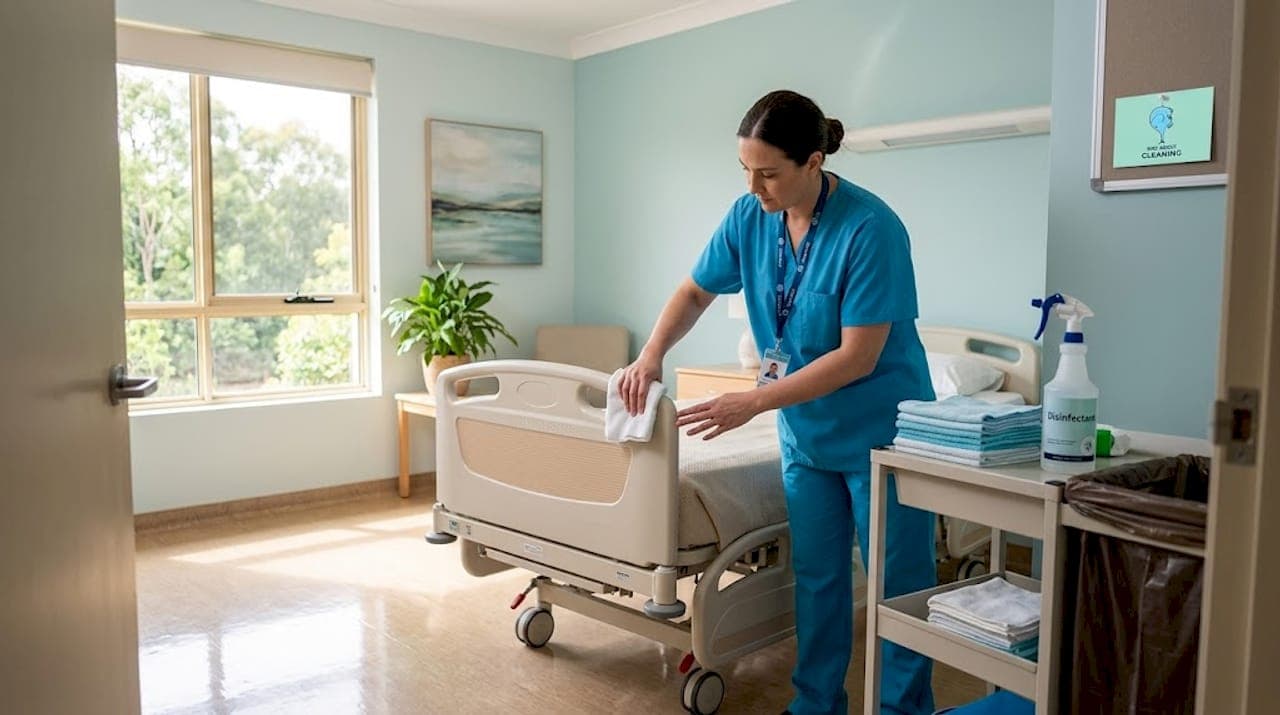
Terminal cleaning is the complete disinfection of a room or space once it has been vacated, typically after a patient is discharged, a surgical session concludes, or a high-risk event occurs. The goal is to reset the environment to a baseline level of safety for the next occupant. As NETEC describes, this process removes visible soil, disinfects all surfaces, and addresses every piece of equipment in the environment.
What makes terminal cleaning distinct is its scope and methodology. It is not a faster version of routine cleaning. Every horizontal and vertical surface is addressed, including furniture, fittings, light switches, bed rails, ventilation grilles, and floors. Portable equipment, such as suction regulators and compressed gas tanks, must be cleaned before removal to prevent cross-contamination being carried into other areas of the facility.
The step-by-step approach
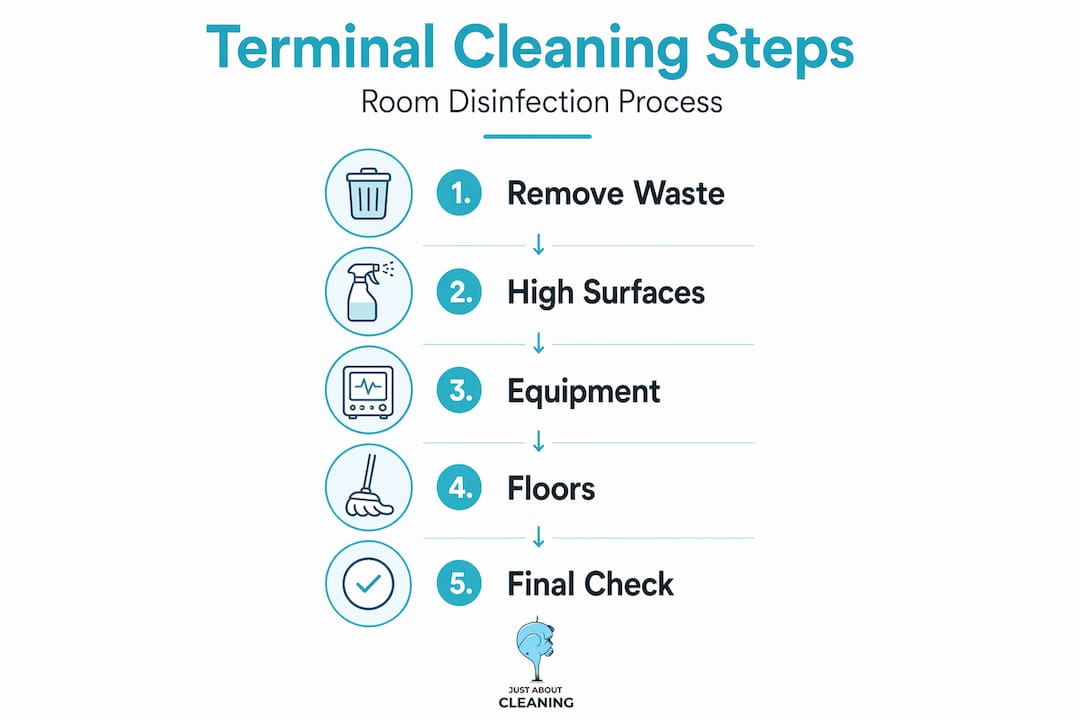
Terminal cleaning procedures follow a standardised sequence that prevents recontamination at every stage. The framework works from top to bottom, clean to dirty, and from outside to inside. Here is how that translates in practice:
- Don appropriate personal protective equipment (PPE) before entering the space.
- Remove all waste, linen, and disposable items from the room first.
- Clean and disinfect from the highest surfaces downward, starting with ceiling-mounted fittings, light fittings, and wall fixtures.
- Progress to all horizontal surfaces, including furniture, equipment, and benches.
- Address all high-touch points, including door handles, switches, taps, and bed controls.
- Clean floors last, working from the furthest point toward the exit.
- Record start and end times in your cleaning log before leaving the room.
The standardised procedural steps used during terminal cleaning are not arbitrary. They are designed to prevent clean areas from being recontaminated by dirty tools or hands. Using EPA-registered disinfectants applied at the correct concentration, and leaving them on surfaces for the specified contact time, is mandatory. The product must remain wet on the surface for the full dwell time to be effective.
Pro Tip: Always check the product label for the correct contact time for the specific pathogen you are targeting. A disinfectant wiped away in 30 seconds when the label specifies two minutes provides no meaningful protection.
Why terminal cleaning matters across industries
The importance of terminal cleaning extends well beyond hospital corridors. In healthcare, a patient room that has not been terminally cleaned after discharge can harbour pathogens that persist on surfaces for days or even weeks. Schools face similar risks during and after illness outbreaks, where shared surfaces in classrooms and bathrooms become transmission points. Hotels and accommodation facilities must contend with rapid room turnover and the expectation that every guest enters a genuinely safe environment.
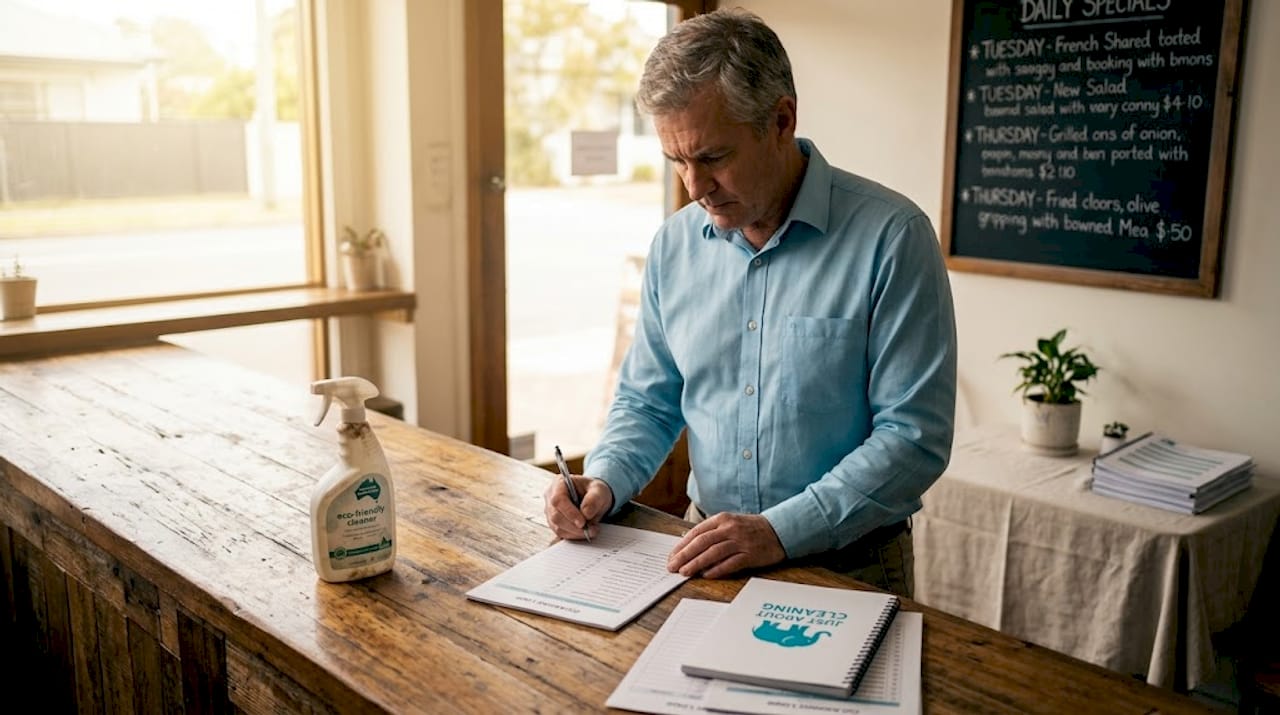
Facility experts are clear that terminal cleaning targets pathogens on all surfaces through standardised methods, not just those that appear visibly dirty. This distinction is what separates effective infection prevention from surface-level hygiene.
The consequences of inadequate terminal cleaning are concrete:
- Healthcare settings: Pathogens such as Clostridioides difficile survive on hard surfaces for extended periods. A room that looks clean to the eye can still transmit infection to the next patient.
- Education facilities: Gastroenteritis and influenza spread rapidly through schools when common areas are not properly disinfected between occupancy periods. Reviewing cleaning protocols for schools reinforces why structured procedures matter.
- Hospitality: Guests with compromised immunity, including elderly travellers or those post-surgery, face real risk from insufficiently disinfected rooms.
Effective terminal cleaning relies on three critical pillars: using the correct disinfectant for the target pathogen, following a validated cleaning process, and maintaining continuous staff training. When any one of these pillars is missing, the programme's effectiveness drops significantly.
"Terminal cleaning is not just about visible cleanliness. It is about systematically eliminating pathogens from every surface in a space using methods that have been validated for effectiveness."
For healthcare facility managers, understanding compliance in healthcare cleaning is the logical next step after grasping why terminal cleaning is required in the first place.
Terminal cleaning vs. routine and room turnover cleaning
One of the most persistent sources of confusion among facility coordinators is how to distinguish between these three related but distinct cleaning types. Using the wrong approach at the wrong time creates compliance gaps and genuine infection risk.
| Cleaning type | Frequency | Scope | Primary objective |
|---|---|---|---|
| Routine cleaning | Daily or scheduled | High-touch surfaces, waste removal, floors | Maintain baseline hygiene during occupancy |
| Room turnover cleaning | Between cases or guests | Visible soil removal, linen change, surface wipe | Prepare space for next occupant quickly |
| Terminal cleaning | Post-discharge, end of session, outbreak response | Complete room and equipment disinfection | Eliminate all pathogen reservoirs |
As the research makes clear, room turnover and terminal cleaning are not interchangeable. Room turnover handles interim cleaning between cases, while terminal cleaning is the complete environmental reset. The implications for your staffing model are significant. Terminal cleaning takes considerably longer, requires more specialised products and knowledge, and cannot be performed at the same pace as routine maintenance.
Understanding why routine cleaning matters helps you see the full picture. Routine cleaning reduces the bioburden that terminal cleaning ultimately addresses. The two processes work together rather than substituting for one another.
Pro Tip: If a staff member reports suspected infectious illness in a space, do not rely on the next scheduled routine clean. Escalate to terminal cleaning procedures immediately, regardless of where that sits in your cleaning schedule.
Managing terminal cleaning programmes effectively
Establishing a consistent terminal cleaning programme requires more than good intentions. It demands written policies, clear staff responsibilities, and a documentation system that can withstand regulatory scrutiny.
Facilities are ultimately responsible for cleaning standards whether they use in-house teams or contracted providers. This is a point many facility managers do not fully appreciate until an accreditation survey reveals a gap. Your contracted cleaning company is an extension of your facility, and the liability for non-compliance rests with you.
Building a compliant programme involves these core elements:
- Written procedures that specify the exact sequence, products, and contact times for terminal cleaning in each area of your facility.
- A terminal cleaning checklist reviewed and signed off after each completed event, capturing the cleaner's name, room identifier, start time, and completion time.
- Cleaning logs stored accessibly for auditors and accreditation assessors. Missing cleaning logs constitute a significant risk in accreditation audits and can impact your facility's operational licence.
- Regular competency assessments for all cleaning staff, including contracted personnel, to verify that techniques meet your facility's standards.
- A clear escalation protocol so that supervisors and coordinators know when and how to initiate terminal cleaning after an infectious event.
Pro Tip: Conduct unannounced spot audits of terminal cleaning events quarterly. Observational audits catch technique drift that written logs alone will never reveal.
Training is not a one-time event. Repeated staff training is what maintains consistency and protects both staff and occupants over time. Build refresher training into your annual calendar and document it with the same rigour you apply to cleaning logs.
Environmental hygiene and air quality considerations
Terminal cleaning has a measurable impact on indoor air quality, not just surface contamination. Pathogens and allergens accumulate in soft furnishings, carpet fibres, and ventilation systems. A thorough terminal clean that neglects these areas can leave significant contaminant reservoirs behind.
When planning or reviewing your terminal cleaning procedures, consider the following elements:
- Carpet and soft furnishing treatment: Vacuum with HEPA-filtered equipment before any wet cleaning to avoid dispersing particles. Steam cleaning is appropriate in healthcare and hospitality settings.
- Ventilation grilles and ducts: Wipe down accessible grilles as part of every terminal clean. Schedule duct cleaning separately on a periodic basis.
- High-touch point mapping: Identify all surfaces that occupants contact repeatedly, including remote controls, bed controls, blinds cords, and tap handles, and include each one explicitly in your terminal cleaning checklist.
- Microfibre tools: Microfibre cloths capture significantly more particulate matter than traditional cotton cloths, reducing the spread of contaminants during cleaning.
- Air purification: In high-risk spaces, portable HEPA air purifiers run during and after terminal cleaning reduce residual airborne microbial loads before the space is reopened.
When terminal cleaning is done well, the compound effect on indoor air quality over time is substantial. Reduced dust loads, lower microbial surface counts, and cleaner ventilation collectively create environments where occupants are less likely to fall ill.
My perspective on terminal cleaning in practice
I have seen the full spectrum of how facilities approach terminal cleaning, from meticulous programmes that hold up under any audit to ad hoc processes that exist mostly on paper. The gap between them is rarely about budget. It is almost always about understanding.
What I have found is that the most persistent misconception is not that managers ignore terminal cleaning. It is that they believe good-looking results equal compliant results. A room can look spotless and still be microbiologically compromised if the disinfectant was not applied at the right concentration or left on for the correct contact time. That invisible gap is where infection events originate.
The facilities that do this well share a few traits. They treat their terminal cleaning checklist as a compliance document, not a suggestion. They invest in documented training and refresh it regularly. And they hold contracted cleaning providers to exactly the same standard as in-house staff, because the regulatory liability does not transfer with the cleaning contract.
My strong view is that facility managers who spend time understanding the procedures behind terminal cleaning, not just delegating the task, make meaningfully safer environments for the people who use them.
— David
How Just About Cleaning can help your facility
If you are refining your terminal cleaning programme or setting one up from scratch, working with a provider who understands compliance, sector-specific requirements, and documentation standards makes the process significantly more manageable.
Just About Cleaning brings over 15 years of experience delivering professional cleaning services across healthcare, education, and hospitality facilities throughout Australia. Their trained crews follow structured terminal cleaning procedures that align with accreditation standards, and their documentation processes support the compliance requirements your facility faces. Whether you need a one-off terminal clean following an infectious event or an ongoing programme with embedded quality assurance, Just About Cleaning tailors their approach to your facility's specific needs. Visit Just About Cleaning to discuss your requirements and get a solution that fits your standards.
FAQ
What is terminal cleaning and when is it required?
Terminal cleaning is a complete disinfection of a room or space following discharge, a surgical session, or an infectious event. It is required any time a space needs to be reset to a safe baseline before the next occupant enters.
How does terminal cleaning differ from routine cleaning?
Routine cleaning maintains daily hygiene during occupancy, while terminal cleaning is a full environmental reset that covers all surfaces, equipment, and ventilation using registered disinfectants with specified contact times.
What does a terminal cleaning checklist include?
A terminal cleaning checklist covers every surface in the room from top to bottom, all portable equipment, high-touch points, floors, and ventilation grilles. It also records the cleaner's name, the room identifier, and the start and completion times.
How to perform terminal cleaning correctly?
Follow the top-to-bottom, clean-to-dirty sequence: remove waste first, clean high surfaces downward, address all high-touch points, clean floors last, and apply EPA-registered disinfectants at the correct concentration for the full specified contact time.
Who is responsible if a contracted cleaner fails to meet terminal cleaning standards?
The facility remains responsible regardless of whether cleaning is performed in-house or by a contractor. Contracted cleaners are extensions of the facility, and regulatory liability stays with the facility operator.