
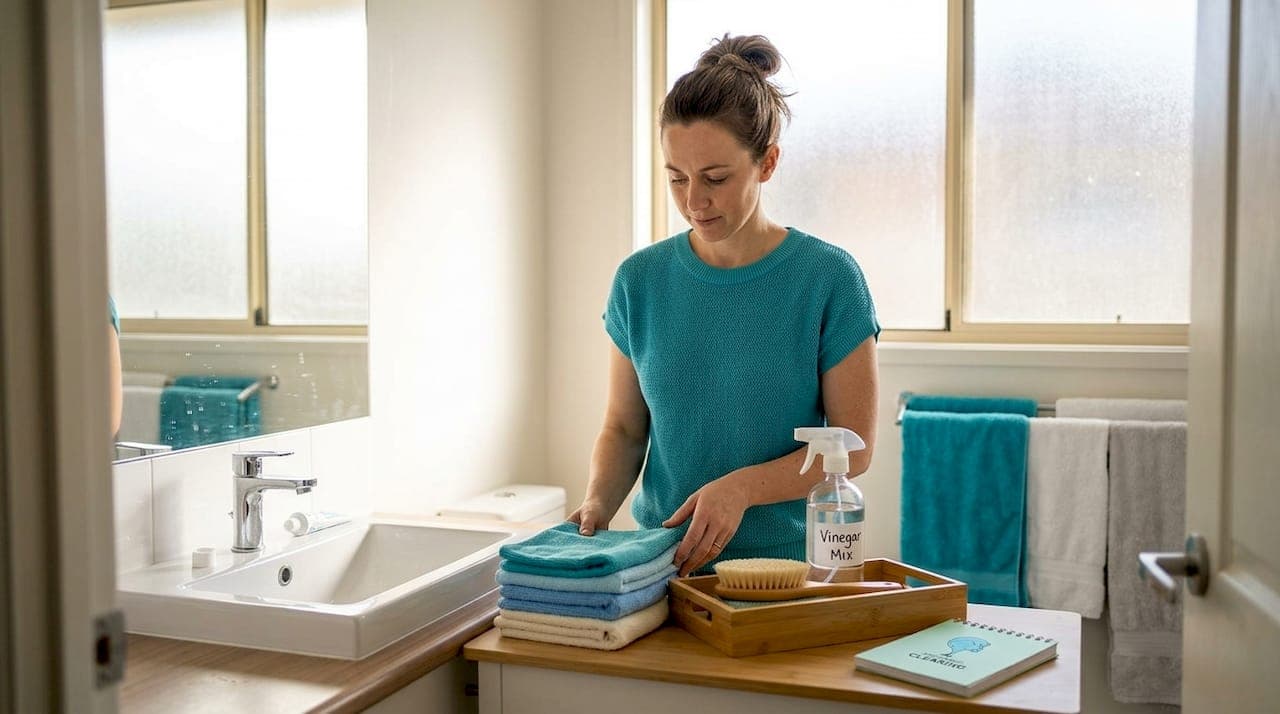
TL;DR:
- Australian homeowners can now access certified eco-friendly products and routines for effective bathroom cleaning.
- Proper technique, dwell time, and the right tools are key to achieving streak-free, hygienic results naturally.
- Consistent daily and weekly habits, especially ventilation and surface drying, maintain long-term cleanliness.
Scrubbing your bathroom every weekend only to find streaks on the mirror, soap scum clinging to the shower screen, and a sharp chemical smell that lingers for hours is genuinely frustrating. Many Australian homeowners are caught between wanting a truly hygienic bathroom and not wanting to fill their home with harsh, synthetic cleaners. The good news is that 2026 brings better options than ever, with locally certified eco-products, proven natural formulas, and simple routines that actually deliver spotless results. This guide walks you through everything you need, from the right supplies to a step-by-step method, so you can clean smarter and greener.
Table of Contents
- What you need for a spotless and eco-friendly clean
- The spotless bathroom cleaning method, step by step
- Common mistakes and troubleshooting for a spotless finish
- Consistency and maintenance for lasting results
- Why most bathroom cleaning advice gets it wrong in Australia
- Get professional sparkle without the harsh chemicals
- Frequently asked questions
Key Takeaways
| Point | Details |
|---|---|
| Prepare eco-friendly tools | Gather safe, effective cleaners and approved Australian products for top results. |
| Follow the right sequence | Cleaning from top to bottom and allowing dwell time produces the best outcomes. |
| Tackle common mistakes | Dry surfaces, use proper dwell times, and don’t skip physical scrubbing for a true shine. |
| Keep routines simple | Regular light maintenance beats rarely doing a big clean and maintains spotless bathrooms. |
| Eco works as well as chemicals | With correct method and patience, natural products match or beat chemical alternatives. |
What you need for a spotless and eco-friendly clean
Getting the right supplies together before you start makes an enormous difference. Many cleaning attempts fall short not because of poor technique, but because the wrong products are used for the job. Understanding what each natural ingredient does, and why certain tools outperform others, sets you up for success from the very first session.
Natural cleaning ingredients worth keeping on hand
The foundation of any eco-friendly bathroom kit is a small set of versatile, natural ingredients. Here is what to stock:
- White vinegar: Cuts through soap scum, mineral deposits, and hard water stains on glass, tiles, and chrome. Its mild acidity dissolves calcium build-up without scratching surfaces.
- Baking soda: A gentle abrasive that lifts grime from grout, sinks, and toilet bowls. It also neutralises odours rather than masking them.
- Hydrogen peroxide (3%): An effective natural disinfectant and mould inhibitor. It breaks down into water and oxygen, leaving no harmful residue.
- Castile soap: A plant-based soap that creates a light lather for general surface cleaning. It rinses cleanly and does not leave the filmy residue that synthetic detergents often do.
- Enzyme-based cleaners: These are particularly powerful for organic grime, body oils, and odours. Enzyme-based products such as those carrying GECA certification break down organics without leaving chemical residues, making them ideal for toilet areas and drains.
Enzyme cleaners work by introducing naturally occurring biological agents that digest organic matter at a molecular level. Unlike bleach, which simply oxidises and masks, enzymes actually consume the source of the odour or stain. This is especially valuable in Australian bathrooms where humidity encourages organic build-up year-round.
Tools that make the job easier
The right tools are just as important as the right products. Invest in:
- A squeegee for shower screens and mirrors
- Microfibre cloths in different colours (one for toilets, one for sinks, one for mirrors)
- A soft-bristle brush for tiles and grout lines
- An old toothbrush for tight corners around taps and seals
- Spray bottles for mixing your own solutions
- Rubber gloves to protect your hands
Microfibre cloths are particularly worth the investment. They trap particles at a microscopic level and require far less product than cotton cloths, which means less chemical use overall. Checking out eco-cleaning facts confirms that microfibre technology can reduce cleaning chemical use by up to 80% compared to traditional methods.
Why GECA certification matters
When buying commercial eco-products, look for the GECA (Good Environmental Choice Australia) certification mark. This certification verifies that a product meets rigorous standards for human health safety, biodegradability, and reduced environmental impact. It is not a marketing label; it is a third-party verified standard that gives you genuine confidence in what you are bringing into your home.
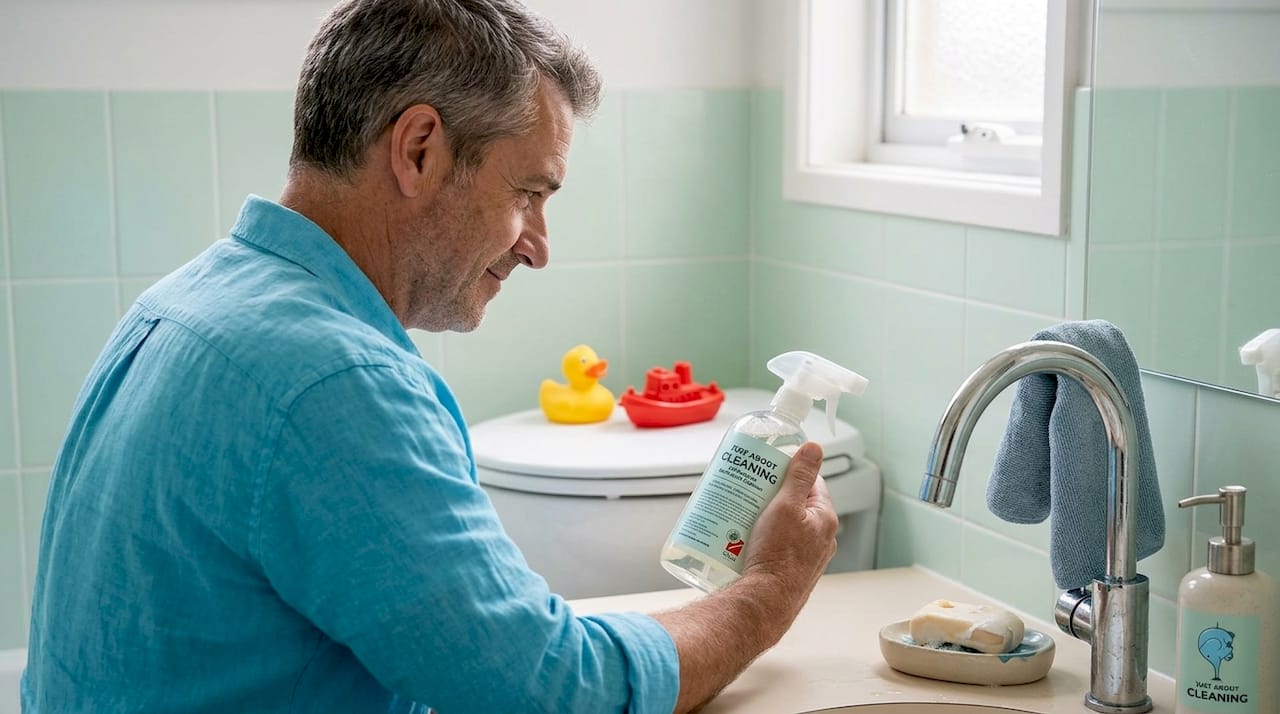
Pro Tip: When trialling a new natural cleaner or formula, test it on a single surface for seven days before rolling it out across your whole bathroom. Some finishes, particularly powder-coated tapware or certain stone tiles, react differently to acidic solutions.
Pairing certified products with the right technique is the fastest route to a healthy home cleaning routine that lasts.
| Natural ingredient | Best use | Avoid on |
|---|---|---|
| White vinegar | Glass, tiles, chrome | Marble, natural stone |
| Baking soda | Grout, sinks, toilet bowls | Polished chrome (abrasive) |
| Hydrogen peroxide | Mould, disinfecting | Coloured grout (may bleach) |
| Castile soap | General surfaces | Hard water areas (leaves film) |
| Enzyme cleaner | Drains, toilets, organic odours | N/A (safe on most surfaces) |
The spotless bathroom cleaning method, step by step
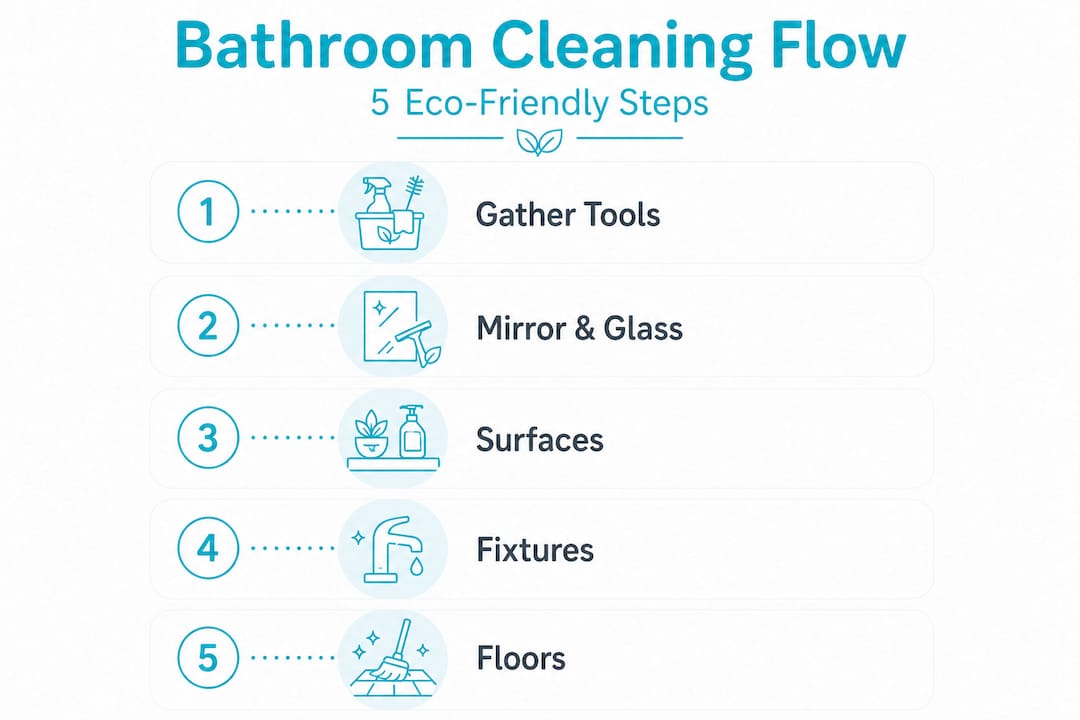
With supplies ready, you are set to tackle each bathroom zone from mirrors to floors using proven, eco-friendly methods. The sequence matters here. Cleaning out of order means you end up redistributing grime rather than removing it.
The recommended cleaning sequence
Following a step-by-step cleaning order makes the whole process faster and more effective. According to natural bathroom cleaning guidance, starting with ventilation and working from top to bottom ensures you are not re-contaminating surfaces you have already cleaned.
- Ventilate the room. Open windows and run the exhaust fan. This reduces humidity, improves air quality while you clean, and helps surfaces dry faster.
- Declutter. Remove everything from benchtops, shelves, and the shower floor. You cannot clean around objects effectively.
- Spray surfaces and allow dwell time. Apply your chosen cleaner to mirrors, shower screens, tiles, the sink, and the toilet. Allow 5 to 15 minutes for natural formulas to work. This dwell time is non-negotiable for eco cleaners.
- Clean mirrors and windows first. Wipe with a damp microfibre cloth, then buff dry with a second clean cloth. Work in circular motions to avoid streaks.
- Tackle shower screens and walls. Use a 50/50 vinegar and water spray on glass screens. For tiles, a castile soap solution works well. Scrub with your soft brush, then rinse thoroughly.
- Clean the sink and tapware. Apply baking soda paste to the basin, scrub with a cloth, and rinse. Use your toothbrush around the tap base and drain.
- Clean the toilet. Pour baking soda into the bowl, follow with white vinegar, and allow the mixture to fizz for 10 to 15 minutes before scrubbing. For grout around the base, a baking soda and hydrogen peroxide paste applied and left for 10 minutes works well, as confirmed by natural product cleaning advice.
- Wipe walls and tiles. Work from top to bottom, rinsing your cloth frequently.
- Mop the floor last. A solution of white vinegar and a few drops of castile soap in warm water handles most bathroom floors effectively.
The surface cleaning order principle applies here directly: always finish with the floor, which collects everything that falls during the process.
Pro Tip: After rinsing every surface, dry it with a clean microfibre cloth. This single step eliminates water spots, prevents mineral build-up, and keeps glass looking genuinely clear rather than just clean.
| Task | Natural method | Chemical method | Eco advantage |
|---|---|---|---|
| Shower screen | 50/50 vinegar spray, squeegee | Commercial glass cleaner | No VOC fumes, no residue |
| Toilet bowl | Baking soda + vinegar, 10 min dwell | Bleach tablet | Safer for septic systems |
| Grout | Baking soda + peroxide paste | Bleach gel | No surface damage |
| Mirror | Diluted vinegar + microfibre | Ammonia-based spray | No streak-causing surfactants |
| Floor | Vinegar + castile soap mop | Pine-based disinfectant | Biodegradable, low toxicity |
Common mistakes and troubleshooting for a spotless finish
No routine is perfect, so here is how to troubleshoot and optimise your results when things do not go as planned. Understanding what goes wrong, and why, is what separates a genuinely clean bathroom from one that just looks clean at first glance.
The most common mistakes Australian homeowners make
- Not allowing adequate dwell time. Spraying and wiping immediately is the single biggest reason eco cleaners seem ineffective. Natural formulas need time to break down grime. Five minutes is the minimum; 10 to 15 minutes is better for heavy build-up.
- Using the wrong cloth. Rough cloths scratch glass and chrome. Cotton cloths spread bacteria rather than trapping it. Microfibre is the correct choice for almost every bathroom surface.
- Skipping the drying step. Rinsing without drying leaves mineral deposits behind, especially in areas with hard water.
- Mixing products incorrectly. Never combine vinegar and hydrogen peroxide in the same spray bottle. Use them separately for safety and effectiveness.
- Overusing product. More cleaner does not mean more clean. Excess product leaves residue that attracts more dirt.
Quick fixes for common problems
- Cloudy glass or mirrors: Buff with a dry microfibre cloth. If cloudiness persists, apply undiluted white vinegar, allow two minutes, then wipe clean.
- Streaks on tiles: Rinse with plain water, then dry immediately. Streaks almost always result from product residue left behind.
- Stubborn mould on grout: Apply a paste of baking soda and hydrogen peroxide, cover with plastic wrap to maintain moisture, and leave for 30 minutes before scrubbing.
- Persistent odours: Pour an enzyme solution directly down the drain and allow it to sit overnight. This addresses the organic source rather than masking the smell.
"The idea that eco cleaners are too weak for real bathroom grime is simply not supported by evidence. When used correctly, with proper dwell time and physical agitation, natural disinfectants like vinegar and hydrogen peroxide match the efficacy of bleach for everyday bathroom hygiene. Physical removal of soil is the most critical factor, not chemical strength."
Following routine cleaning tips consistently will reduce the frequency of these troubleshooting moments significantly over time.
Pro Tip: Keep a squeegee hanging in your shower and use it for 30 seconds after every shower. This one daily habit dramatically reduces soap scum and mineral build-up, meaning your weekly clean takes half the time.
Consistency and maintenance for lasting results
Spotless is not just about one good clean. It is about easy, repeatable routines that keep your bathroom hygienic with minimal effort between sessions. Australian homes, particularly in coastal and subtropical regions, face added challenges from humidity and hard water that make consistency even more critical.
A simple maintenance routine that works
- Daily (30 seconds): Squeegee the shower screen and glass after every use. Wipe the sink with a damp cloth. Leave the exhaust fan running for 15 minutes after showering.
- Weekly (20 to 30 minutes): Full clean following the step-by-step method above. Focus on toilet, shower, sink, and floor. Check grout lines for early signs of mould.
- Monthly (10 minutes extra): Inspect grout closely and treat any discolouration with a baking soda and peroxide paste. Clean exhaust fan covers. Check seals around the shower base and bath for mould growth.
Daily squeegee use and weekly deep cleaning maintains spotless hygiene without relying on heavy chemicals, and this is especially true in humid Australian climates where moisture lingers.
Ventilation is not optional in Australia. Bathrooms in Queensland, Northern Territory, and coastal New South Wales face genuine mould risk from persistent humidity. Keeping windows open after showering and running the exhaust fan for at least 15 minutes removes the moisture that feeds mould. For bathrooms that already have a mould problem, enzyme-based solutions applied to affected areas weekly can address the biological source without the fumes associated with bleach.
The most important insight here: consistency beats intensity every time. A 20-minute weekly clean done reliably produces a far better result than a two-hour scrub once a month. Building these habits into your existing routine, rather than treating cleaning as a separate event, is what makes the difference long-term. Exploring the impact of green cleaning further reinforces that sustainable habits deliver better outcomes for both hygiene and the environment over time.
Why most bathroom cleaning advice gets it wrong in Australia
Let us step back and ask why so many standard deep-clean routines disappoint Australian homeowners. The honest answer is that most cleaning advice is written for a generic audience, often drawing from American or European sources, and it simply does not account for the specific conditions Australian bathrooms face.
Australian tap water varies significantly by region. In cities like Adelaide, Perth, and Melbourne, water hardness levels are high enough that standard vinegar solutions need longer dwell times to dissolve mineral deposits effectively. In tropical and subtropical areas, humidity accelerates mould growth in ways that a weekly clean designed for a dry climate cannot keep up with. Harsh UV exposure through bathroom windows can also degrade certain sealants and finishes faster than overseas guides anticipate.
The other gap is product certification. Many overseas eco-cleaning recommendations reference certifications that have no direct Australian equivalent. GECA (Good Environmental Choice Australia) is the local standard that actually matters here. Prioritising GECA-certified products is the most reliable shortcut for Australian homeowners who want genuine environmental credentials rather than greenwashing. It is also worth testing any new method on a key surface for seven days before committing, particularly if your bathroom has unusual finishes or older tiles.
The deeper issue is that most advice treats eco cleaning as a compromise, as though choosing natural products means accepting a slightly inferior result. This is outdated thinking. In 2026, GECA-certified enzyme cleaners and properly formulated natural solutions match or exceed conventional chemical products for everyday bathroom hygiene. The difference is technique, particularly dwell time and physical agitation, not product strength.
Exploring sustainable cleaning in Australia reveals that the shift toward eco-based methods is not a trend but a practical response to better product science and a genuine understanding of what Australian conditions demand.
Get professional sparkle without the harsh chemicals
For those times when DIY methods are not enough, here is a smart way to make life easier and greener. Sometimes the challenge is simply bigger than a regular routine can handle. Significant mould behind tiles, years of limescale build-up in a rental property, or a bathroom that has not had a thorough clean in months all require a different level of intervention.
Just About Cleaning brings over 15 years of experience to residential and commercial bathroom cleaning across Australia, using eco-based products and trained crews who understand local conditions. Our approach means you get a genuinely spotless result without filling your home with harsh chemicals or spending your weekend scrubbing. Once the tough jobs are handled professionally, maintaining that standard with the daily and weekly habits in this guide becomes straightforward and genuinely manageable. We are here when the job calls for more than a spray bottle and good intentions.
Frequently asked questions
Is vinegar safe for all bathroom surfaces?
Vinegar is safe on glass, tiles, and ceramics, but avoid using it on marble or natural stone as the acidity can etch the surface. Always check your tile or benchtop material before applying any acidic solution, following the dwell time guidance for best results.
How do enzyme cleaners compare to chemical cleaners?
Enzyme cleaners break down organics without harsh residues and are as effective as traditional chemicals when used correctly, particularly for odours and drain build-up.
Do eco-friendly products disinfect as well as bleach?
Vinegar and hydrogen peroxide are effective natural disinfectants when used with proper dwell time, matching the efficacy of bleach for everyday bathroom cleaning without the fumes or environmental harm.
What is the most important step for a streak-free finish?
Always dry surfaces thoroughly after rinsing, using a clean microfibre cloth on glass, mirrors, and tiles to prevent spots and streaks.
How often should you deep clean your bathroom?
A once-weekly deep clean combined with daily squeegee use and ventilation offers the best results for a consistently spotless and hygienic bathroom.
Recommended
- Eco-friendly cleaning for Australian businesses: key facts
- Sustainable cleaning practices for Australian businesses
- Green cleaning: Sustainable strategies for Australian businesses
- Top spring cleaning tips for a fresher home in Australia
- Bathroom cleaning checklists: expert tips for spotless results
- Top energy-saving cleaning tips for a greener home - Amazon Air Duct Cleaning