
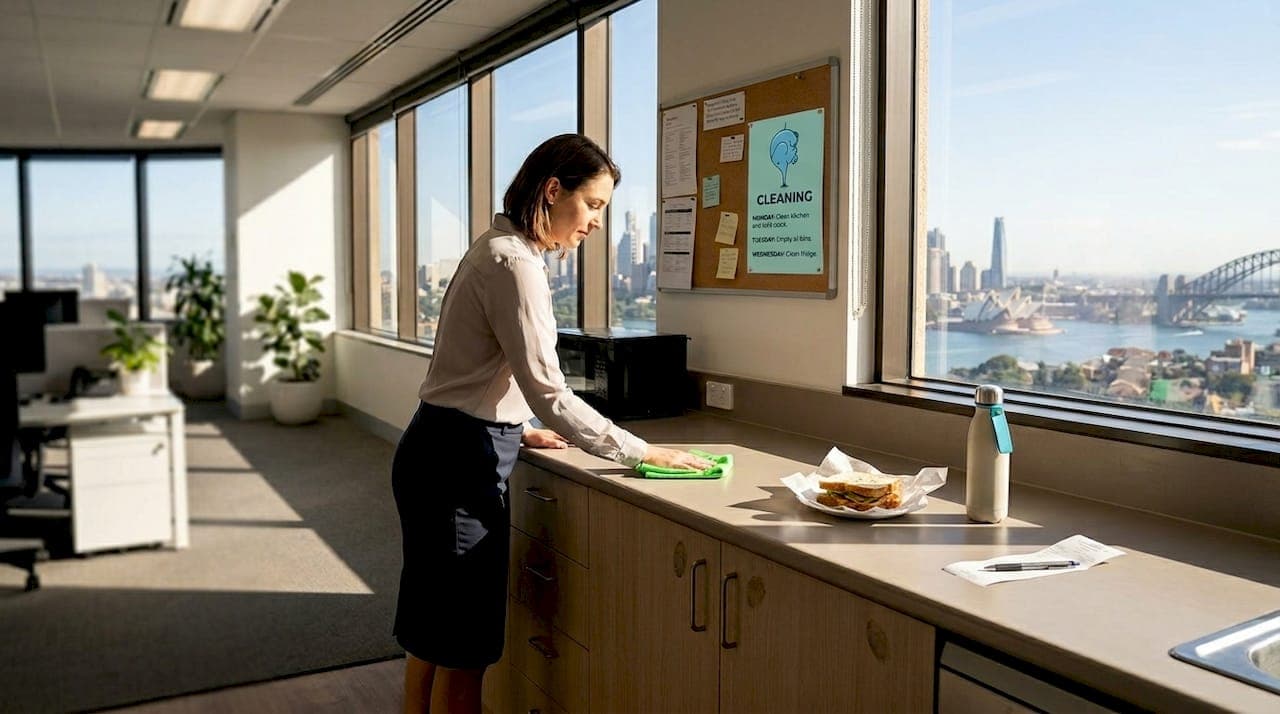
Maintaining a hygienic office environment is more challenging than many Australian business owners realise. High-touch surfaces, shared equipment, and fluctuating air quality create constant infection risks that impact employee wellbeing and client confidence. This comprehensive guide equips you with practical strategies to identify hygiene priorities, implement effective cleaning routines, and monitor standards consistently. You'll discover how to prepare your team with the right tools, execute daily and periodic sanitisation tasks, and sustain cleanliness over time. By following these proven maintenance approaches, you'll protect your workforce, enhance your professional reputation, and create a workspace that supports productivity and health.
Table of Contents
- Understanding Office Hygiene Challenges
- Preparing For Effective Office Hygiene Maintenance
- Executing Thorough Office Cleaning And Sanitisation
- Monitoring And Maintaining Hygiene Standards Over Time
- About Just About Cleaning Services
- Frequently Asked Questions
Key takeaways
| Point | Details |
|---|---|
| Identify critical hygiene areas | Focus on high-touch surfaces, shared equipment, and air quality zones that pose the greatest infection risks in your office. |
| Prepare with proper tools | Stock eco-friendly cleaning products, sanitisers, and equipment that meet Australian safety standards before implementing routines. |
| Follow regular cleaning schedules | Execute daily sanitisation of high-touch areas and weekly deep cleaning to maintain consistent hygiene standards. |
| Monitor and adjust continuously | Use audits, employee feedback, and visual inspections to track effectiveness and refine your hygiene programme over time. |
Understanding office hygiene challenges
Australian offices face distinct hygiene obstacles that compromise both employee health and business performance. Recognising these challenges is the first step toward implementing effective maintenance strategies that protect your workforce and reputation.
Common hygiene vulnerabilities include:
- High-touch surfaces like door handles, light switches, and lift buttons that accumulate pathogens throughout the day
- Shared equipment such as printers, coffee machines, and meeting room technology that multiple staff members contact
- Air quality issues from inadequate ventilation systems that circulate allergens and airborne contaminants
- Kitchen and bathroom facilities where moisture and organic matter create breeding grounds for bacteria
Poor office hygiene can lead to increased employee illness and reduced productivity. When staff members fall sick due to contaminated workspaces, absenteeism rises sharply, disrupting project timelines and team dynamics. The financial impact extends beyond lost productivity to include healthcare costs and potential workers' compensation claims.
Beyond health risks, hygiene standards directly influence client perceptions and business opportunities. Visitors form immediate impressions based on cleanliness, and a neglected office signals poor attention to detail across all operations. In competitive markets, this perception can cost you contracts and referrals.
Compliance considerations add another layer of complexity. Australian workplace health and safety regulations require employers to maintain safe environments, and inadequate hygiene can trigger regulatory investigations or penalties. Proactive management demonstrates your commitment to duty of care while protecting against legal exposure.
The solution lies in systematic hygiene maintenance that addresses these challenges before they escalate. By understanding where vulnerabilities exist, you can allocate resources strategically and implement cleaning techniques and tips for office environments that deliver measurable results. This proactive approach supports employee wellbeing, safeguards your reputation, and ensures compliance with Australian standards.
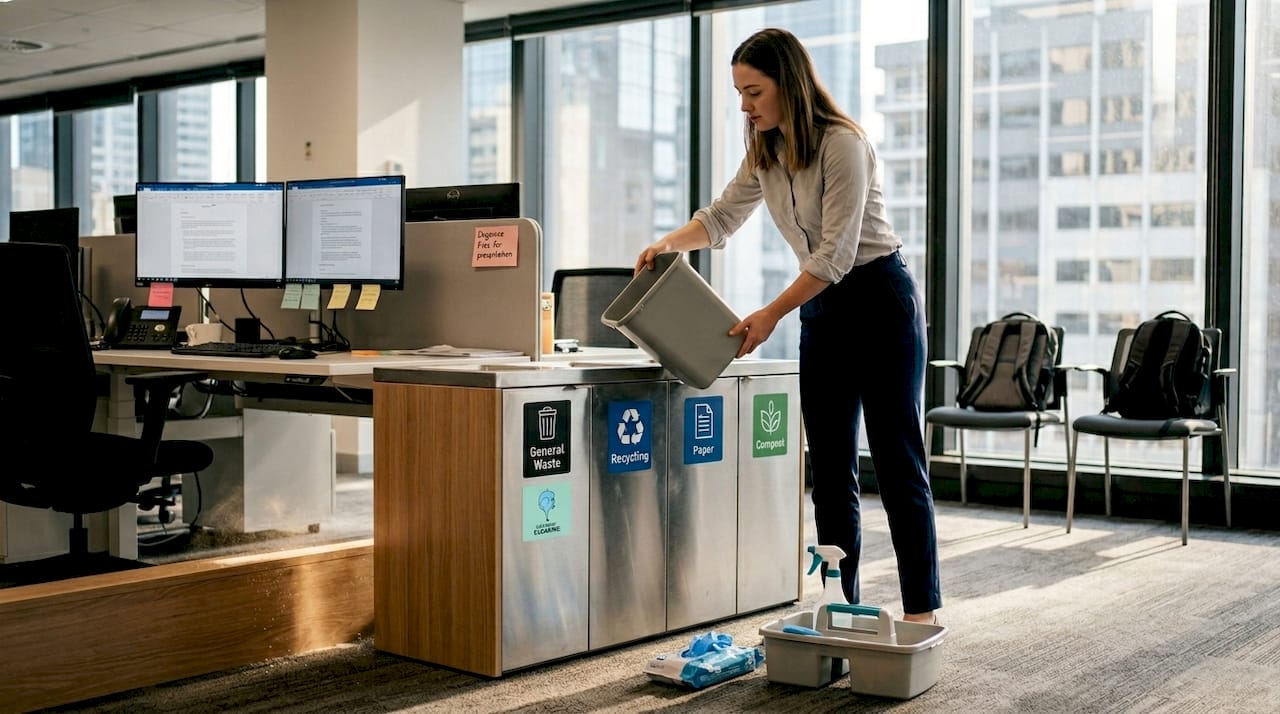
Preparing for effective office hygiene maintenance
Successful hygiene programmes begin with thorough preparation. Before implementing cleaning routines, you need the right tools, products, and organisational systems to support consistent execution across your workspace.
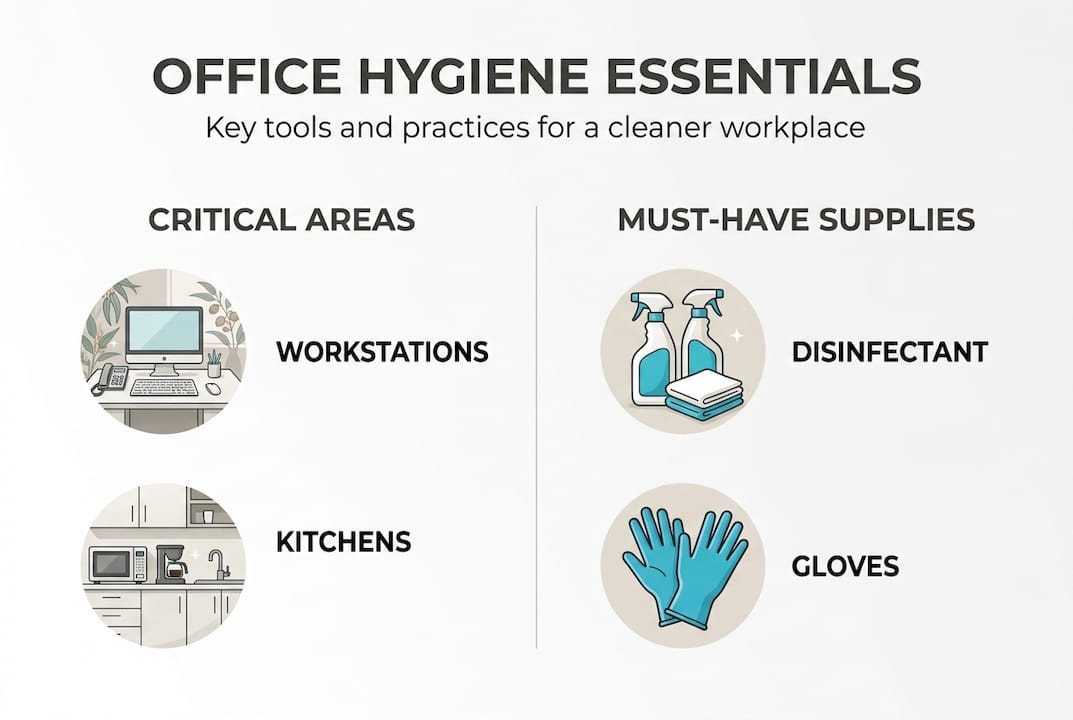
Start by cataloguing essential supplies that form the foundation of your hygiene toolkit:
| Item category | Examples | Purpose |
|---|---|---|
| Cleaning tools | Microfibre cloths, mops, vacuum cleaners, scrub brushes | Physical removal of dirt and debris from surfaces |
| Sanitising products | Hospital-grade disinfectants, alcohol-based sanitisers, antibacterial wipes | Elimination of pathogens and bacteria |
| Protective equipment | Gloves, aprons, safety glasses | Staff protection during cleaning tasks |
| Storage solutions | Lockable cabinets, trolleys, supply caddies | Organised access and safe product storage |
Product selection deserves careful consideration. Using the right cleaning tools and products is critical for effective office hygiene maintenance. Choose solutions that meet Australian safety standards while aligning with environmental responsibility goals. Look for products with low volatile organic compound levels that won't compromise indoor air quality or trigger allergic reactions among sensitive staff members.
Eco-friendly options have evolved significantly, offering powerful sanitisation without harsh chemical impacts. Plant-based disinfectants, biodegradable wipes, and concentrated solutions that reduce packaging waste demonstrate environmental stewardship while maintaining hygiene standards. These choices resonate with employees who value sustainability and support your organisation's environmental, social, and governance commitments.
Beyond physical supplies, preparation requires establishing foundational systems:
- Staff training programmes that teach proper cleaning techniques and tips for office environments and safe product handling
- Detailed cleaning schedules that assign responsibilities and establish frequency for different tasks
- Clear protocols for reporting hygiene concerns or supply shortages
- Documentation systems for tracking completed tasks and monitoring compliance
Pro Tip: Store cleaning supplies in a centralised, accessible location near high-traffic areas to eliminate barriers that discourage quick sanitisation between scheduled cleanings. When staff can easily grab disinfectant wipes for an unexpected spill or contaminated surface, you extend hygiene maintenance beyond formal cleaning sessions.
Invest time in product familiarisation before full implementation. Test new cleaning solutions on inconspicuous surfaces to verify compatibility with your office materials. Review safety data sheets with staff members who will handle chemicals regularly. This preparation phase prevents damage to furniture or equipment while ensuring team confidence in executing hygiene tasks safely and effectively.
Executing thorough office cleaning and sanitisation
With preparation complete, you're ready to implement systematic cleaning routines that maintain hygiene standards throughout your workspace. Effective execution requires understanding which tasks need daily attention versus periodic deep cleaning.
Daily cleaning priorities focus on high-touch surfaces where pathogens accumulate rapidly:
- Sanitise individual workstations including desks, keyboards, mice, and phone handsets using appropriate disinfectant products
- Clean door handles, light switches, and lift buttons throughout the office with antibacterial wipes or spray solutions
- Disinfect shared equipment such as printers, photocopiers, coffee machines, and meeting room technology after each use or at scheduled intervals
- Empty and sanitise rubbish bins to prevent odour development and pest attraction
- Clean and restock bathroom facilities including toilets, sinks, taps, and soap dispensers
- Wipe down kitchen surfaces, appliances, and communal eating areas to prevent food contamination
- Vacuum or sweep high-traffic floor areas to remove tracked-in dirt and debris
Regular cleaning of high-touch surfaces significantly reduces the risk of infection spread in offices. These daily tasks create a baseline of cleanliness that protects staff health and maintains professional appearances for clients and visitors.
Periodic deep cleaning addresses areas that don't require daily attention but accumulate contaminants over time. Schedule these tasks weekly, fortnightly, or monthly depending on usage patterns and environmental factors:
- Carpet deep cleaning using hot water extraction or steam cleaning methods to remove embedded dirt and allergens
- Upholstery sanitisation for chairs, sofas, and fabric partitions that absorb odours and harbour dust mites
- Air vent and filter cleaning to improve ventilation system efficiency and indoor air quality
- Window washing inside and out to maximise natural light and maintain professional external appearances
- Behind-furniture cleaning where dust and debris accumulate in overlooked spaces
- Light fixture and ceiling fan cleaning to prevent dust circulation
Sanitisation protocols require attention to product contact time and application methods. Many disinfectants need several minutes of surface contact to effectively eliminate pathogens. Simply wiping and immediately drying defeats the sanitising purpose. Follow manufacturer instructions precisely, allowing products adequate dwell time before buffing surfaces dry.
Pro Tip: Schedule intensive cleaning tasks during off-peak hours or outside standard business times to minimise disruption to staff productivity. Early morning or evening sessions allow thorough attention to high-traffic areas without navigating around occupied workstations or interrupting meetings.
Consistency matters more than intensity. A well-executed daily routine outperforms sporadic deep cleaning efforts. Establish clear accountability by assigning specific zones or tasks to team members, whether internal staff or contracted cleaning professionals. Regular execution of cleaning techniques and tips for office environments becomes habitual, reducing the mental burden of remembering what needs attention.
Document completed tasks using checklists or digital tracking systems. This creates accountability while providing evidence of compliance if questions arise about hygiene maintenance. Visual confirmation that tasks are completed also reassures employees and visitors that cleanliness receives appropriate priority in your organisation.
Monitoring and maintaining hygiene standards over time
Implementing cleaning routines is only half the equation. Sustained hygiene excellence requires ongoing monitoring, adjustment, and commitment to continuous improvement as conditions and needs evolve.
Establish multiple monitoring methods to gain comprehensive visibility into hygiene effectiveness:
- Scheduled audits using standardised checklists that assess cleanliness across all office zones
- Employee feedback mechanisms such as surveys, suggestion boxes, or digital platforms where staff report concerns
- Visual inspections by managers during regular workspace walkthroughs
- Air quality monitoring using sensors that track particulate levels and ventilation effectiveness
- Illness tracking to identify potential correlations between hygiene lapses and infection outbreaks
Consistent monitoring and adjustment of cleaning procedures ensure sustained office hygiene standards. These verification methods reveal gaps between intended and actual performance, allowing corrective action before minor issues become significant problems.
Common maintenance mistakes undermine even well-designed hygiene programmes:
- Inconsistent execution of cleaning schedules due to competing priorities or inadequate staffing
- Using ineffective products that fail to eliminate pathogens or damage office surfaces
- Ignoring employee feedback about overlooked areas or emerging hygiene concerns
- Inadequate supply management resulting in stockouts that interrupt cleaning routines
- Insufficient training leading to improper technique or unsafe chemical handling
Compare reactive versus proactive hygiene management approaches:
| Approach | Characteristics | Outcomes |
|---|---|---|
| Reactive | Cleaning occurs only after visible contamination or complaints arise | Inconsistent standards, higher infection rates, negative perceptions, crisis management |
| Proactive | Systematic routines prevent contamination through regular maintenance | Sustained cleanliness, reduced illness, positive reputation, predictable operations |
Proactive management delivers superior results while reducing total effort. Preventing contamination requires less work than remediating established problems. Regular maintenance preserves surfaces and equipment, extending their functional life and avoiding costly replacements.
Maintain programme momentum through several strategies:
- Celebrate hygiene achievements and recognise staff members who consistently support cleanliness goals
- Communicate the connection between hygiene efforts and tangible benefits like reduced sick days or positive client feedback
- Refresh training periodically to reinforce proper techniques and introduce improved cleaning techniques and tips for office environments
- Adjust schedules and methods based on monitoring data rather than maintaining outdated routines
- Invest in quality supplies that make cleaning tasks easier and more effective
Staff accountability forms the foundation of sustained hygiene. When everyone understands their role in maintaining cleanliness, collective effort multiplies individual contributions. Foster a culture where hygiene is everyone's responsibility, not just the cleaning team's domain. Encourage immediate attention to spills, proper disposal of waste, and personal workspace maintenance between scheduled cleanings.
Periodically reassess your entire hygiene programme against evolving needs. Office layouts change, staff numbers fluctuate, and new health concerns emerge. What worked effectively last year may need modification to address current conditions. Schedule quarterly reviews that examine monitoring data, gather stakeholder input, and identify improvement opportunities. This continuous improvement mindset ensures your hygiene standards remain relevant and effective over time.
About Just About Cleaning services
Maintaining exceptional office hygiene requires expertise, consistency, and resources that many Australian businesses struggle to sustain internally. Just About Cleaning specialises in professional commercial cleaning solutions tailored to your unique workspace needs and industry requirements.
With over 15 years of experience serving diverse sectors across Australia, our trained crews understand the specific hygiene challenges facing modern offices. We combine proven cleaning methodologies with eco-friendly products that protect both your staff and the environment, aligning with contemporary environmental, social, and governance expectations.
Our customised service plans adapt to your schedule, budget, and cleanliness priorities. Whether you need daily maintenance, periodic deep cleaning, or specialised sanitisation for high-risk areas, we deliver reliable results that support your business reputation and employee wellbeing. Visit Just About Cleaning to explore how our professional office cleaning services can elevate your workplace hygiene standards.
Frequently asked questions
How often should offices be cleaned to maintain proper hygiene?
Most Australian offices benefit from daily cleaning of high-touch surfaces like door handles, desks, and shared equipment to prevent pathogen accumulation. Weekly deep cleaning of carpets, upholstery, and overlooked areas maintains comprehensive hygiene standards. Adjust frequency based on office size, staff density, and specific industry requirements, with healthcare or food-related businesses requiring more intensive schedules.
What are the best products to use for office sanitisation in Australia?
Choose hospital-grade disinfectants that meet Australian safety standards and list specific pathogen elimination claims on their labels. Eco-friendly options with plant-based active ingredients offer effective sanitisation without harsh chemical impacts on indoor air quality. Alcohol-based sanitisers with at least 60% alcohol content work well for quick surface disinfection, while quaternary ammonium compounds provide longer-lasting antimicrobial protection on frequently touched surfaces.
How can office managers encourage staff to maintain hygiene practices?
Clear communication about hygiene expectations and their health benefits builds understanding and buy-in among team members. Provide convenient access to cleaning supplies and sanitisers throughout the workspace, removing barriers to quick maintenance. Visible reminders like posters near shared equipment prompt proper cleaning after use. Recognise and celebrate staff members who consistently support cleanliness goals, reinforcing positive behaviours through acknowledgement rather than punishment for lapses.
What common mistakes should be avoided in office hygiene maintenance?
Irregular cleaning schedules undermine hygiene effectiveness, allowing pathogen buildup during gaps between sessions. Using ineffective or inappropriate products wastes resources without delivering sanitisation benefits, while harsh chemicals may damage surfaces or compromise air quality. Poor monitoring prevents identification of overlooked areas or emerging problems before they escalate. Lack of staff engagement transforms hygiene into a burden rather than a shared responsibility, reducing programme sustainability and effectiveness over time.