
TL;DR:
- A genuinely hygienic kitchen requires proper cleaning and sanitising routines, not just visual tidiness.
- Using colour-coded cloths and separate tools prevents cross-contamination and enhances food safety.
- Regular inspection, proper food storage, and controlling temperature zones are essential for a safe kitchen environment.
A dirty kitchen is one of the most common sources of foodborne illness in Australian households, yet most people focus on how clean the kitchen looks rather than how safe it actually is. Grease on the rangehood, bacteria hiding in a damp sponge, or raw meat juices on a chopping board can all cause serious health problems without any visible warning signs. This guide walks you through a practical, expert-backed process for cleaning and maintaining your kitchen to a genuinely hygienic standard. Whether you cook every night or just on weekends, these steps will help you protect your household and build habits that actually work.
Table of Contents
- What you need before starting
- Step-by-step kitchen cleaning process
- Best practices to prevent cross-contamination
- How to check your kitchen is truly clean
- The uncomfortable truth about kitchen cleaning most skip
- Need help keeping your kitchen spotless and safe?
- Frequently asked questions
Key Takeaways
| Point | Details |
|---|---|
| Follow the cleaning sequence | Work through pre-cleaning, washing, rinsing, sanitising and air drying your kitchen surfaces and tools for best results. |
| Don’t skip daily touchpoints | High-contact areas like handles and switches must be cleaned every day to reduce risks of contamination. |
| Avoid cross-contamination | Assign different cloths and boards for meats, veggies, and ready-to-eat foods and always clean between tasks. |
| Use proper sanitisers or heat | Sanitising after cleaning is essential—use food-grade sanitisers or heat above 77°C for at least 30 seconds. |
| Check your kitchen’s real hygiene | Regularly inspect, smell and test your kitchen for truly clean—not just what looks clean. |
What you need before starting
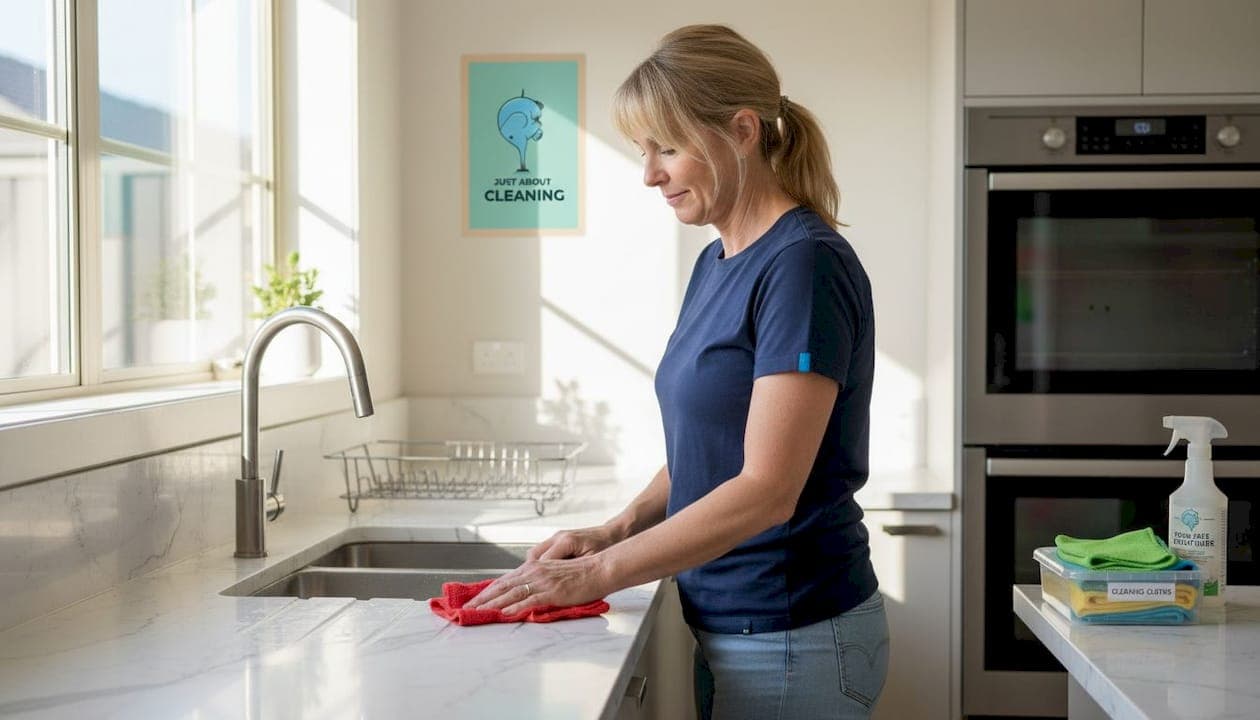
Before you scrub a single surface, having the right tools and supplies on hand makes the whole process faster and more effective. Rushing in with a single dirty cloth and a bottle of multipurpose spray is one of the most common mistakes Australian home cooks make. Good preparation is what separates a visually tidy kitchen from one that is genuinely safe.
Here is what you need to have ready:
- Colour-coded microfibre cloths (at least three: one for raw meat areas, one for general surfaces, one for the sink and drain)
- Food-grade detergent for washing surfaces and equipment
- Food-safe sanitiser (spray or concentrate) for the final sanitising step
- Rubber or disposable gloves to protect your hands and avoid transferring bacteria
- Scrubbing brush or sponge for stubborn residue
- Paper towels for single-use wiping where needed
- Bucket for diluting cleaning solutions
Colour-coding is not just a professional kitchen habit. Food Standards Australia recommends using separate colour-coded boards and cloths for raw meat, vegetables, and ready-to-eat foods, and cleaning high-touch areas daily. This simple system prevents cross-contamination at the source.
| Cloth colour | Recommended use |
|---|---|
| Red | Raw meat and poultry surfaces |
| Green | Fresh produce and vegetable prep |
| Blue | General surfaces and benchtops |
| Yellow | Sink, drain, and waste areas |
For a broader picture of clean home strategies that work across every room, it helps to apply the same systematic thinking you would use in your kitchen. You can also review home cleaning best practices to build a routine that keeps your whole home healthier.
Before you begin, check that your cloths are clean and your sanitiser is within its use-by date. Old or contaminated cleaning gear can spread bacteria rather than remove it.
Pro Tip: Store your colour-coded cloths in separate labelled containers so no one in the household accidentally grabs the wrong one.
Step-by-step kitchen cleaning process
With your supplies set, here is exactly how to clean your kitchen from start to finish. The sequence matters as much as the products you use. Skipping or reordering steps can leave bacteria behind even when surfaces look spotless.
Follow these five stages for a thorough clean:
- Pre-clean: Remove all loose food scraps, crumbs, and debris from surfaces, equipment, and the sink. Wipe away visible grease or residue before applying any cleaning product.
- Wash: Apply food-grade detergent with warm water to all surfaces. Scrub thoroughly to break down grease, food particles, and organic matter.
- Rinse: Remove all detergent residue with clean water. Leftover detergent can interfere with the sanitiser and reduce its effectiveness.
- Sanitise: Apply a food-safe sanitiser to all cleaned surfaces. Allow the correct contact time as directed on the label. This step kills bacteria that washing alone cannot remove.
- Air dry: Let surfaces dry naturally where possible. Using a cloth to dry can reintroduce bacteria, especially if the cloth is not perfectly clean.
This five-stage cleaning methodology is the standard approach for preventing foodborne illness in both home and commercial kitchens. Skipping the sanitise step is the most common shortcut that creates real health risk.
| Sanitising method | How it works | Best for |
|---|---|---|
| Chemical sanitiser | Food-grade liquid applied after washing | Benchtops, boards, utensils |
| Heat treatment | 77°C water held for 30 seconds | Dishwasher-safe equipment |
Cleaning removes visible dirt and grease. Sanitising kills the bacteria you cannot see. Both steps are essential and neither replaces the other.
For more detail on structured cleaning sequences, the office cleaning step guide applies similar logic to commercial environments. You can also explore Australian cleaning standards that apply across both residential and workplace settings.
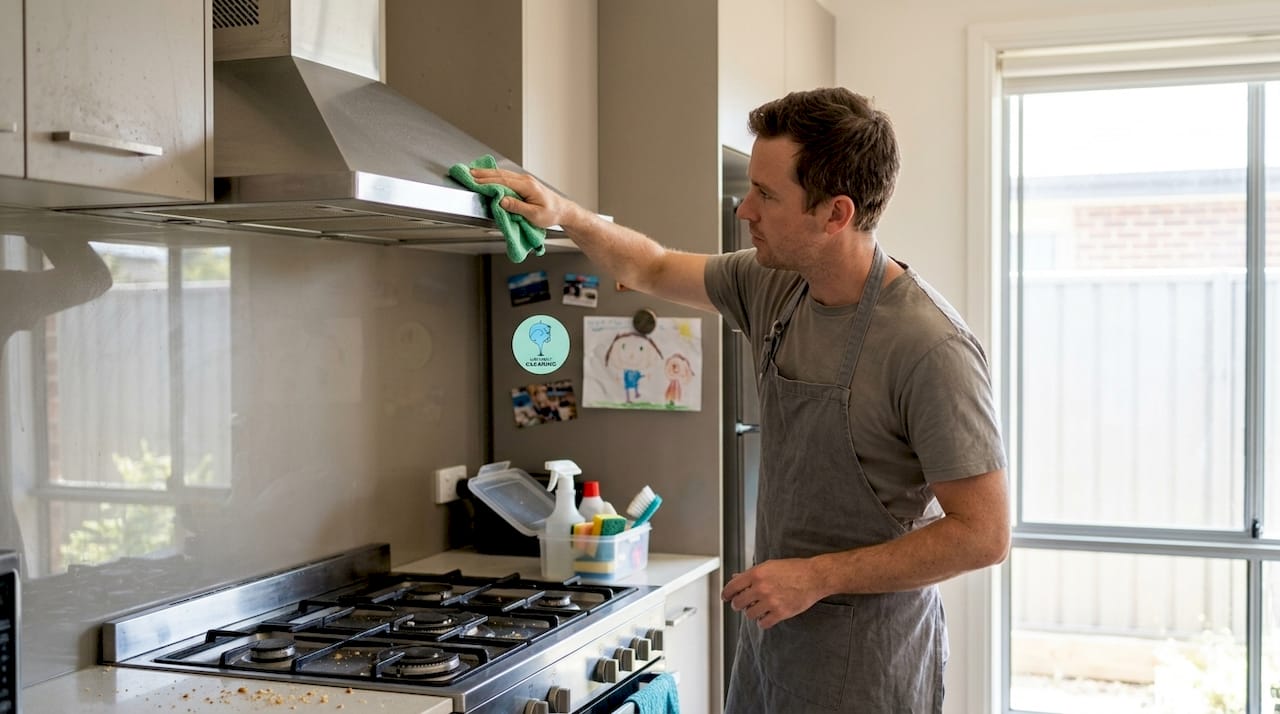
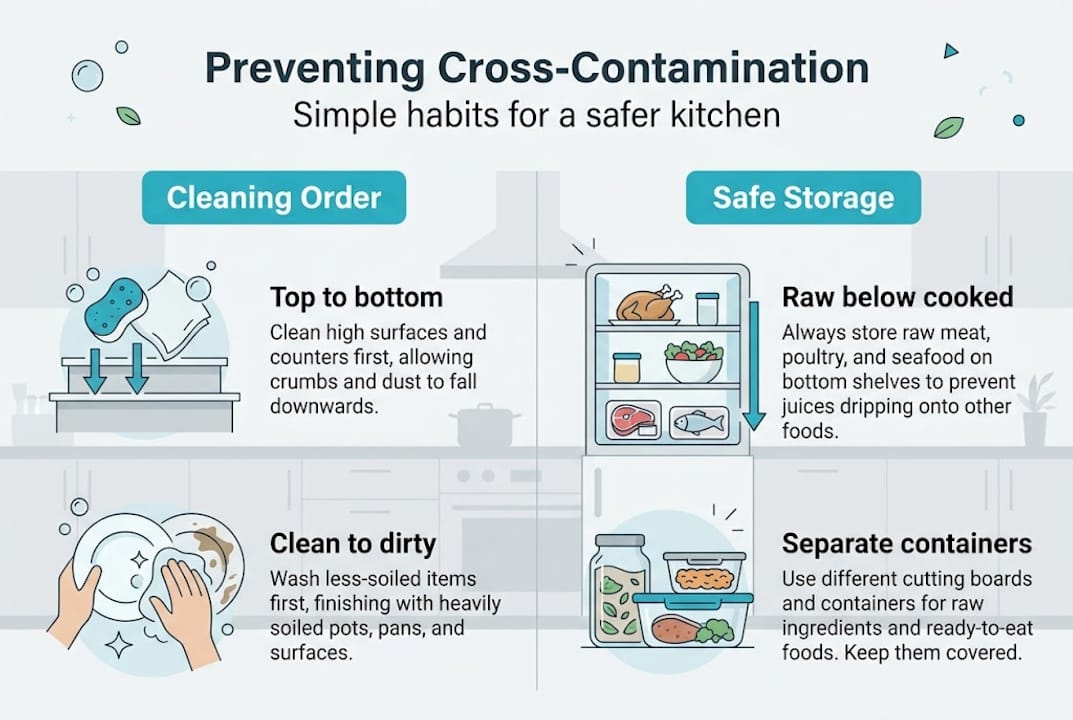
Pro Tip: Work from top to bottom and from clean areas to dirtier ones. Clean the rangehood and upper shelves first, then work down to benchtops and finally the floor.
Best practices to prevent cross-contamination
Once you know how to clean, it is essential to avoid classic mistakes that undo all your hard work. Cross-contamination is the transfer of harmful bacteria from one surface, food, or utensil to another. It is the leading cause of foodborne illness in Australian homes and it often happens in ways that are completely invisible.
These daily habits make a real difference:
- Wipe down door handles, tap handles, light switches, and benchtops every day
- Wash your hands thoroughly before and after handling raw meat, poultry, or seafood
- Use separate chopping boards for raw meat and ready-to-eat foods
- Clean and sanitise utensils between handling raw and cooked items
- Replace kitchen sponges weekly, as they harbour bacteria rapidly
Food storage matters just as much as surface cleaning. Store raw meat below cooked foods in the fridge to prevent juices from dripping onto ready-to-eat items. This is a straightforward habit that significantly reduces contamination risk.
One of the most important concepts for any home cook to understand is the temperature danger zone. Bacteria multiply rapidly between 5°C and 60°C, which means food left out on the bench during meal prep or after serving can become unsafe faster than most people expect. Keep hot food above 60°C and refrigerate leftovers promptly.
Building these habits into your daily routine is what the importance of routine cleaning is really about. Small, consistent actions prevent the kind of bacterial build-up that a weekly clean alone cannot address.
Pro Tip: Keep a pack of disposable gloves near the sink and use them specifically when handling raw meat. It removes the temptation to touch other surfaces mid-prep and makes clean-up faster.
How to check your kitchen is truly clean
Cleaning is only worthwhile if it actually removes all hazards, so here is how to make sure your efforts paid off. Many people finish a kitchen clean feeling satisfied, only to have missed the areas that matter most. A quick verification routine takes just a few minutes and gives you real confidence.
Follow these steps to inspect your kitchen after cleaning:
- Check surfaces under good lighting. Tilt a torch or use natural light at an angle to spot streaks, residue, or grease films that are invisible under overhead lighting.
- Smell test. A truly clean kitchen has no sour, musty, or food-related odour. Any lingering smell usually signals bacteria or organic matter still present.
- Inspect high-touch areas. Run a clean white cloth over door handles, tap handles, and the fridge door. Visible residue means these areas need another wipe.
- Check under and behind appliances. Food debris accumulates under the microwave, toaster, and along the back of the benchtop. These spots are easy to miss and quick to become a hygiene problem.
- Look at the sink and drain. Slime or residue around the drain is a sign of bacterial build-up. Clean and sanitise the sink basin and drain cover regularly.
Watch for these warning signs that your kitchen needs immediate attention:
- Visible mould around grout, seals, or the back of the sink
- Persistent food odours even after cleaning
- Sticky or greasy residue on surfaces after wiping
- Fruit flies or other insects near the bin or produce
Cleaning and sanitising are both essential for food safety. One without the other leaves your kitchen at risk.
For kitchens that need a more thorough reset, the deep cleaning process used in commercial settings translates well to home environments and covers areas that a standard weekly clean often misses.
The uncomfortable truth about kitchen cleaning most skip
Here is a real-world perspective on what actually matters in the kitchen. After more than 15 years working across residential and commercial cleaning environments, we have seen the same pattern repeat itself: people clean for appearance, not for safety.
A kitchen can look immaculate and still be a health risk. The most common example is the kitchen sponge. It sits on a gleaming sink, next to a spotless benchtop, and it is often one of the most bacteria-laden objects in the entire home. People use it to wipe raw meat residue, then use it again on the fruit bowl without a second thought.
Shortcuts like using one multipurpose cloth for everything, or skipping the sanitise step because the surface looks clean, do not just fail to help. They actively spread bacteria from one area to another. Visual cleanliness creates a false sense of security that can be more dangerous than an obviously dirty kitchen.
The mindset shift that makes the biggest difference is this: clean for what you cannot see, not just what you can. Following expert cleaning advice and building consistent habits around the invisible risks is what genuinely protects your household. A shiny kitchen is a good start. A hygienic one is the goal.
Need help keeping your kitchen spotless and safe?
Maintaining a genuinely hygienic kitchen takes consistent effort, the right products, and a reliable routine. For households that want expert support to keep their kitchen and home to a high standard, professional cleaning makes a measurable difference.
Just About Cleaning brings over 15 years of experience to residential and commercial cleaning across Australia. Our trained crews follow proven hygiene protocols, use eco-friendly products, and deliver consistent results you can rely on. Whether you need a one-off deep clean or ongoing support to maintain a safe kitchen environment, we are here to help. Get in touch today to find out how we can keep your home clean, safe, and healthy all year round.
Frequently asked questions
How often should I clean my kitchen surfaces?
Wipe benchtops daily and deep clean all surfaces at least weekly, or more often if you prepare raw meat or have spills. High-touch areas like handles and tap fittings need daily attention to prevent cross-contamination.
What is the safest way to sanitise kitchen equipment at home?
Use a food-grade sanitiser after washing, or apply heat at 77°C for 30 seconds for dishwasher-safe items to kill bacteria safely and effectively.
How do I avoid cross-contamination during kitchen cleaning?
Always use separate colour-coded cloths and boards for different food types, and clean your hands and equipment thoroughly between handling raw and ready-to-eat foods.
What temperature is unsafe for food left out in the kitchen?
Bacteria grow rapidly in the 5 to 60°C danger zone, so keep food refrigerated below 5°C or hot above 60°C to prevent unsafe bacterial growth.