
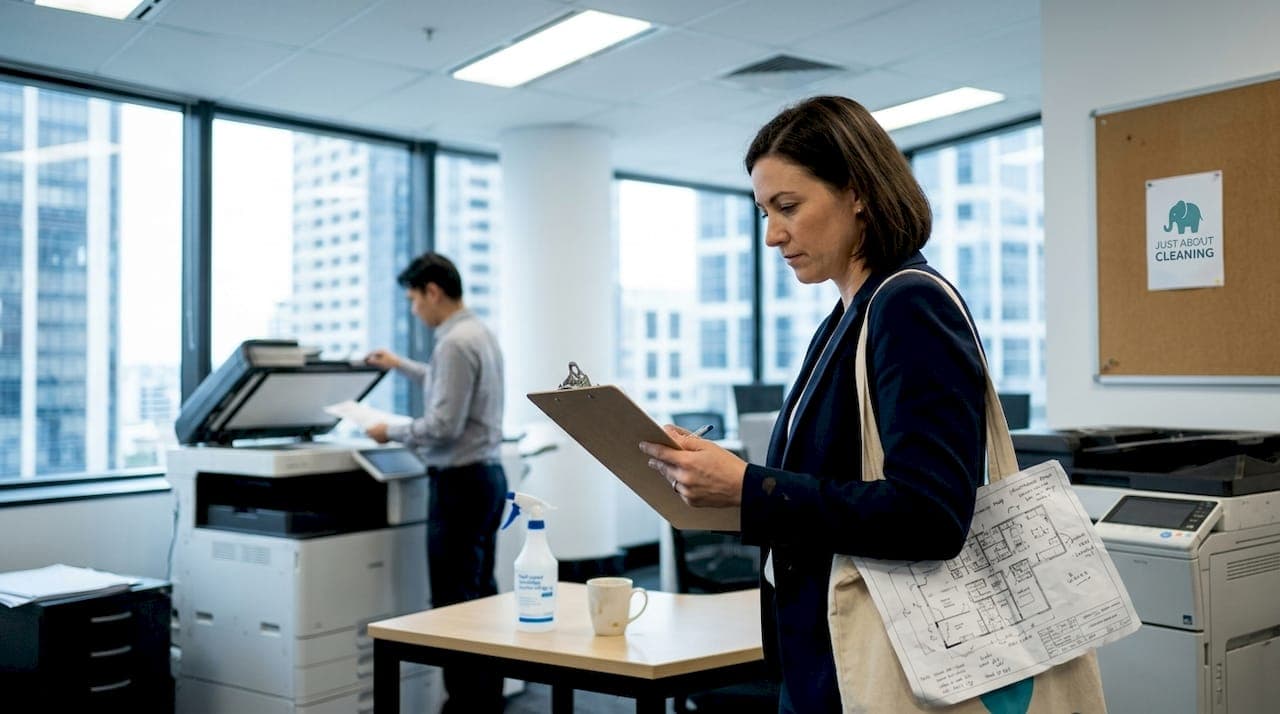
A single failed hygiene inspection can shut down operations, trigger regulatory fines, and damage a business's reputation overnight. For facility managers and business owners across Australia, the stakes of inadequate deep cleaning are very real. Routine cleaning keeps surfaces looking tidy, but it rarely addresses the microbial load, allergens, and contaminants hiding in grout lines, ventilation systems, and high-touch surfaces. This guide walks you through the proven deep cleaning process used by leading Australian facilities, covering preparation, step-by-step execution, quality assurance, and the common pitfalls that cause even well-intentioned programmes to fall short.
Table of Contents
- Why deep cleaning matters for your business
- Preparation: What you need before you start
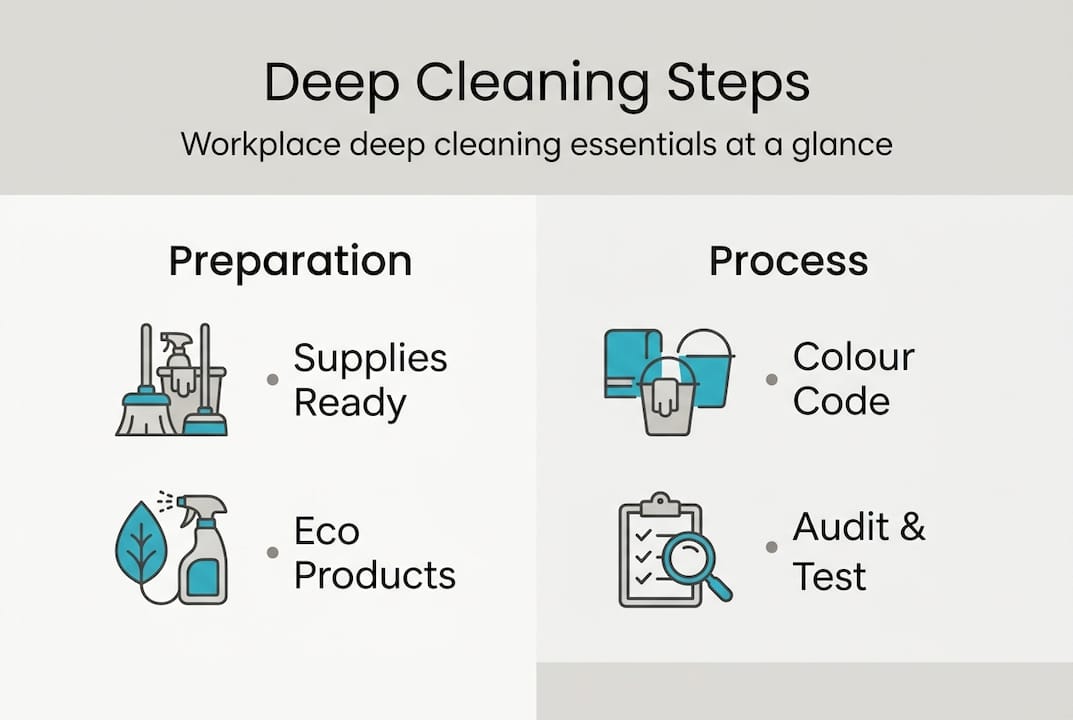
- Step-by-step: The deep cleaning process explained
- Quality assurance: Testing, audits, and verification
- Troubleshooting and tips: Common mistakes to avoid
- Take your facility's cleaning to the next level
- Frequently asked questions
Key Takeaways
| Point | Details |
|---|---|
| Deep cleaning is essential | Regular deep cleaning protects staff, visitors, and your business from hidden risks and regulatory issues. |
| Follow expert steps | Prepare thoroughly, use certified products, and follow a proven process for the best results. |
| Verify your results | Audit and test your cleaning outcomes to guarantee hygiene and compliance. |
| Avoid common mistakes | Mistakes like skipping steps or improper product use can undermine even the best intentions. |
Why deep cleaning matters for your business
Deep cleaning is not simply a more thorough version of your daily cleaning routine. It is a structured, systematic process that targets areas and contaminants that regular cleaning misses entirely. Where routine cleaning handles visible dirt and surface debris, deep cleaning addresses biofilm, embedded allergens, mould spores, and pathogenic bacteria that accumulate over time. Understanding this distinction is the first step toward building a genuinely hygienic facility.
Compliance is a major driver. Australian facilities must align with national cleaning benchmarks that govern everything from healthcare settings to commercial offices. The scale of these requirements is significant.
The Australian National Cleaning and Maintenance Framework (ANCMF) establishes over 740 standards for clean environments, reflecting the complexity and expertise required to maintain truly compliant facilities.
Failing to meet these standards exposes your business to serious consequences. Consider what poor deep cleaning actually costs:
- Non-compliance penalties: Regulatory bodies can issue fines or suspend operating licences.
- Staff illness and absenteeism: Elevated microbial loads increase infection rates, reducing productivity.
- Reputational damage: A single negative inspection report or client complaint can erode trust quickly.
- Operational downtime: Contamination events may force temporary closures for remediation.
Understanding routine cleaning essentials helps you see where daily maintenance ends and where deep cleaning must begin. Both are necessary, but they serve very different purposes.
Preparation: What you need before you start
A deep cleaning project that skips proper preparation is likely to produce inconsistent results. Before your team sets foot in the facility, you need to complete a thorough readiness check. Here is what that looks like in practice:
- Identify high-risk zones such as kitchens, bathrooms, medical treatment areas, and childcare spaces.
- Confirm all surfaces are accessible, including behind equipment and inside storage areas.
- Conduct a PPE (personal protective equipment) check for gloves, eye protection, respirators, and protective clothing.
- Review material safety data sheets (MSDS) for every chemical product being used.
- Notify staff and occupants of the schedule to avoid exposure during the process.
Choosing the right products matters as much as the process itself. GECA-certified low-VOC products reduce indoor air pollution and protect both cleaning staff and building occupants from chemical exposure. GECA (Good Environmental Choice Australia) certification means a product has been independently assessed for environmental and health performance. Low-VOC (volatile organic compound) formulations release fewer harmful airborne chemicals during use.
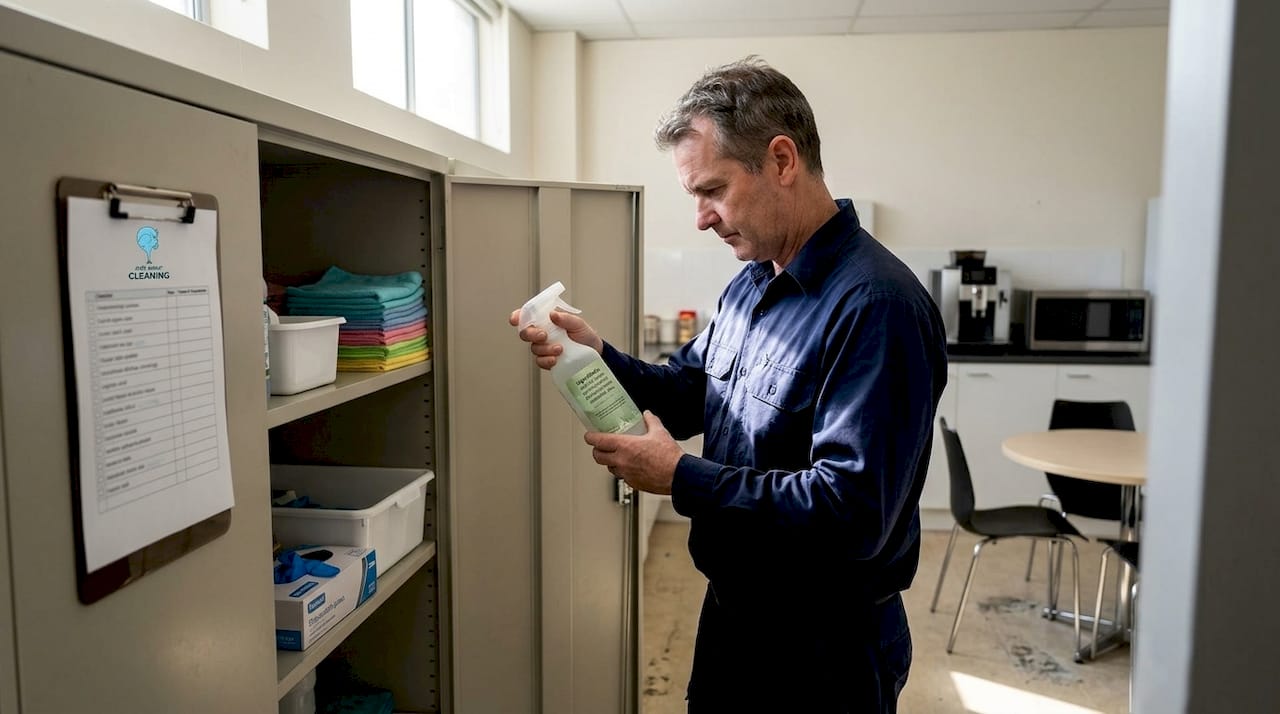
| Item | Purpose | Recommended standard |
|---|---|---|
| Microfibre cloths (colour-coded) | Surface cleaning and disinfection | Separate colours per zone |
| GECA-certified detergent | Soil removal | Low-VOC formulation |
| Hospital-grade disinfectant | Pathogen elimination | TGA-listed where required |
| PPE kit | Staff protection | AS/NZS compliant |
| ATP testing device | Post-clean verification | Calibrated and current |
| HEPA vacuum | Dust and allergen removal | Sealed filtration system |
Exploring eco-friendly cleaning choices can also help you align your procurement with your organisation's sustainability commitments.
Pro Tip: Always clean before you disinfect. Removing soil, grease, and organic matter first is essential because disinfectants cannot penetrate through layers of dirt. Skipping this step dramatically reduces the efficacy of even the strongest disinfectant products.
Step-by-step: The deep cleaning process explained
With preparation complete, you can move through the deep cleaning cycle with confidence. Each stage builds on the last, so sequence matters.
- Pre-inspection and zoning: Walk the facility and identify contamination hotspots, damage, or areas requiring specialist attention. Divide the space into zones to ensure nothing is missed and to prevent cross-contamination between areas.
- Removing gross soil: Clear all visible debris, waste, and organic matter before any cleaning product is applied. This is the foundational step that determines disinfection success. Use HEPA vacuums and dry methods first, then wet cleaning.
- Surface cleaning: Apply detergent solutions to all surfaces, working from high to low and clean to dirty. Pay particular attention to grout, fixtures, equipment undersides, and wall junctions.
- Targeted disinfection: Apply the appropriate disinfectant to high-touch and high-risk surfaces. Allow correct contact time as specified on the product label. Do not wipe off prematurely.
- Drying and ventilation: Ensure all surfaces dry thoroughly. Poor ventilation after wet cleaning encourages mould growth and residual chemical build-up. Open windows or run mechanical ventilation systems.
- Reassembly and site check: Return equipment and furniture to position. Conduct a visual walkthrough to confirm all zones have been completed to standard.
Pro Tip: Use a colour-coded cloth system throughout the process. Assign specific colours to bathrooms, kitchens, general surfaces, and clinical areas. This simple practice prevents cross-contamination and is a recognised best practice in Australian commercial cleaning.
| Feature | Routine cleaning | Deep cleaning |
|---|---|---|
| Frequency | Daily or weekly | Monthly to quarterly |
| Surfaces covered | Visible and accessible | All surfaces including hidden areas |
| Products used | General detergents | Specialist detergents and disinfectants |
| Microbial validation | Not typically included | ATP testing and audit documentation |
| Compliance documentation | Minimal | Full audit trail required |
For context on how these principles apply in residential settings, home cleaning best practices offer a useful reference point for understanding the fundamentals.
Quality assurance: Testing, audits, and verification
Completing the physical cleaning process is only part of the job. Verification is what separates a genuinely compliant facility from one that simply looks clean. Effective quality assurance involves multiple layers of checking.
Key verification methods used by professional cleaning teams include:
- Visual walkthrough: A structured inspection against a checklist, covering every zone and surface category.
- ATP microbial surface testing: Adenosine triphosphate (ATP) testing uses a luminometer device to detect biological residue on surfaces. A high ATP reading indicates inadequate cleaning, even when a surface appears visually clean.
- Post-cleaning photographic records: Time-stamped photos provide evidence of completed work for compliance files.
- Third-party audits: Independent inspectors assess cleaning outcomes against industry benchmarks.
Facilities that adopt regular microbial testing protocols consistently report improved outcomes during regulatory inspections, with documented reductions in surface contamination levels across high-risk zones.
Audit documentation is not just about passing inspections. It protects your business in insurance claims, demonstrates duty of care to staff and visitors, and provides a clear record for regulatory bodies. Maintaining thorough office hygiene maintenance records is a practical step every facility manager should build into their standard operating procedures.
Troubleshooting and tips: Common mistakes to avoid
Even experienced cleaning teams make errors that compromise results. Knowing what to watch for helps you maintain consistent standards across every deep cleaning cycle.
- Skipping soil removal before disinfection: As noted, cleaning before disinfecting is non-negotiable. Organic matter neutralises disinfectants and renders them ineffective.
- Incorrect chemical dilution: Over-diluting reduces efficacy. Under-diluting wastes product, increases costs, and can damage surfaces or harm staff.
- Neglecting high-touch points: Door handles, light switches, tap fittings, and shared equipment are frequently missed during deep cleaning cycles. These surfaces carry the highest microbial transfer risk.
- Poor ventilation during and after cleaning: Chemical fumes and residual moisture both create hazards. Ensure adequate airflow throughout the process.
- No staff training updates: Cleaning protocols evolve. A team trained two years ago may be using outdated methods or products. Schedule regular refresher training to prevent the "set and forget" syndrome that leads to gradual standard decline.
Understanding the importance of maintenance cleaning between deep cleaning cycles is equally important. Consistent interim cleaning reduces the contamination load your team faces during each deep clean, making the process faster and more effective. For customer-facing environments, retail cleaning and hygiene standards directly influence customer perception and sales outcomes, making compliance a commercial priority as well as a health one.
Take your facility's cleaning to the next level
Applying these steps in-house is achievable, but maintaining consistent, audit-ready standards across a busy facility requires expertise, the right equipment, and ongoing staff development. Many Australian businesses find that partnering with a professional cleaning provider delivers more reliable outcomes and removes the compliance burden from internal teams.
Just About Cleaning Australia brings over 15 years of experience to commercial and industrial facilities across the country. Our trained crews follow structured deep cleaning protocols aligned with ANCMF benchmarks, use GECA-certified products, and provide full audit documentation after every service. Whether you manage a healthcare facility, a childcare centre, a warehouse, or a corporate office, our deep cleaning specialists are ready to assess your facility and deliver a cleaning programme that meets your compliance requirements. Contact us today to arrange a site visit or hygiene audit.
Frequently asked questions
What is the difference between deep cleaning and regular cleaning?
Deep cleaning targets invisible risks such as biofilm, allergens, and pathogens in areas that daily cleaning does not reach, while regular cleaning handles visible surface dirt and debris. The ANCMF sets over 740 standards that deep cleaning programmes must address.
How often should deep cleaning be performed in Australian workplaces?
Frequency depends on your industry and facility use, but most Australian workplaces require deep cleaning monthly to quarterly. High-risk environments such as healthcare and childcare settings typically require more frequent cycles based on national guidelines.
What are GECA-certified low-VOC cleaning products, and why use them?
GECA-certified low-VOC products are independently assessed for environmental and health performance, minimising indoor air pollution and reducing chemical exposure risks for staff and building occupants.
How is cleanliness verified after deep cleaning?
Facilities use structured walkthroughs, ATP microbial surface testing, and photographic records to confirm cleaning outcomes, providing documented evidence of compliance for regulatory and insurance purposes.