
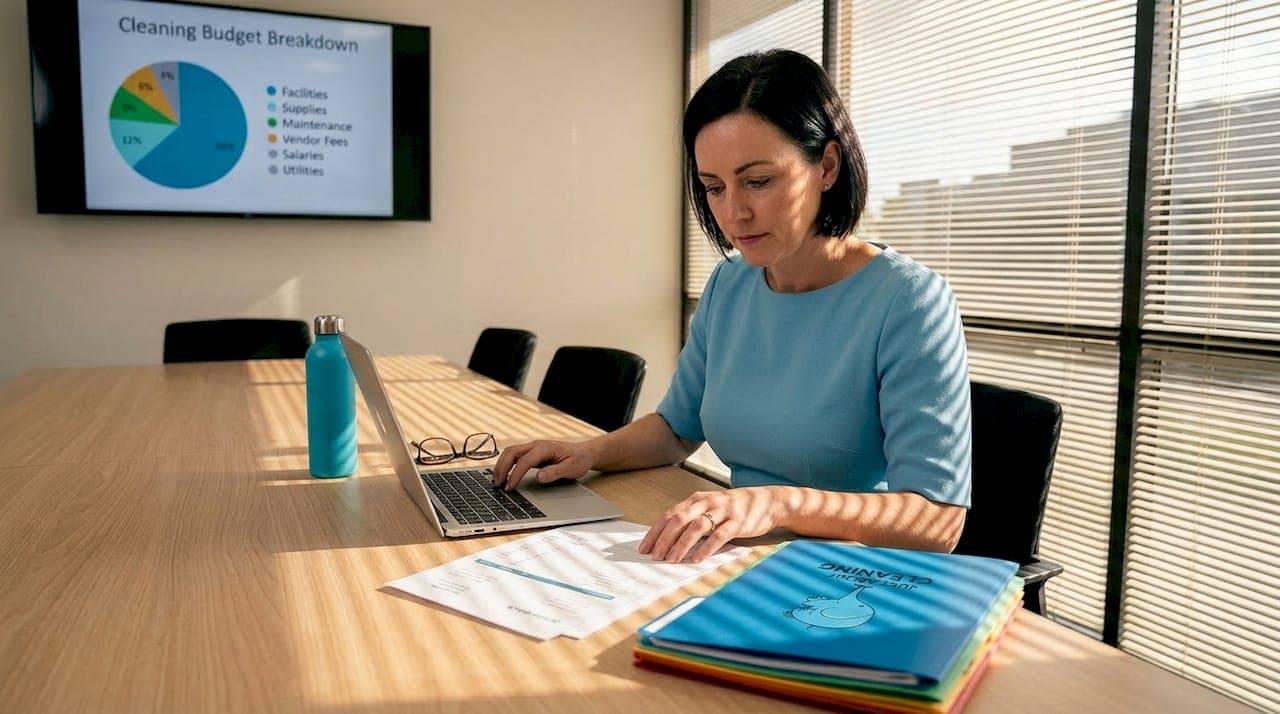
TL;DR:
- Proper auditing reveals hidden cleaning costs and inefficiencies in budgets.
- Smarter product choices and streamlined workflows lead to sustainable savings.
- Continuous review and professional support help maintain standards while reducing expenses.
Managing a commercial facility in Australia means constantly balancing tight budgets against rising expectations for cleanliness, safety, and environmental responsibility. Cleaning is not a line item you can quietly slash without consequences. Poor hygiene drives staff absences, damages your brand reputation, and may breach compliance obligations. Yet many business owners overspend simply because their current approach has never been properly audited or optimised. This guide walks you through four practical strategies — auditing your spend, choosing smarter products, streamlining workflows, and embedding sustainable practices — so you can achieve genuine savings without dropping your standards.
Table of Contents
- Understand your current cleaning expenses
- Choose the right tools and products for savings
- Streamline your cleaning workflow and scheduling
- Implement sustainable practices for long-term savings
- What most businesses get wrong about slashing cleaning budgets
- Lower your cleaning costs with professional support
- Frequently asked questions
Key Takeaways
| Point | Details |
|---|---|
| Audit before action | Review all cleaning costs and processes to find the best savings opportunities. |
| Smart product choices | Switching to multipurpose and sustainable products can cut expenses without lowering standards. |
| Optimise workflows | Well-planned scheduling and trained staff significantly reduce cleaning costs over time. |
| Go green for less | Eco-friendly practices can save money and boost your company’s reputation. |
| Avoid blunt cuts | Strategic reductions and ongoing review prevent hidden costs from harming your business. |
Understand your current cleaning expenses
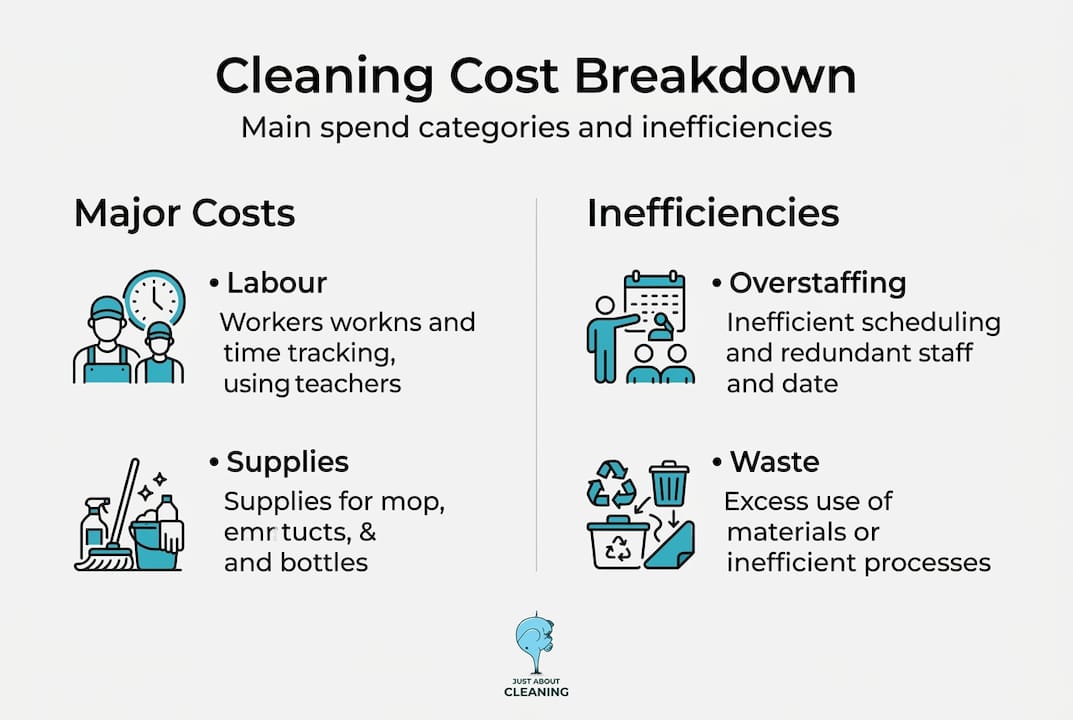
Before you can reduce any cost, you need to understand exactly where your money is going. Most facilities managers are surprised to discover how fragmented their cleaning expenditure actually is once they break it down properly. Labour typically accounts for the largest share, often sitting between 60 and 70 percent of total cleaning costs in commercial settings. After that come consumables, equipment depreciation, waste disposal, and contract management overheads.
Start by pulling together all invoices, contracts, and internal records from the past quarter. Organise your costs into these core categories:
- Labour: Hourly rates, overtime, casual versus permanent staff ratios
- Cleaning products: Chemicals, disposable supplies, paper products
- Equipment: Purchase or lease costs, maintenance, repairs
- Overheads: Management time, scheduling software, waste removal
- Contract fees: Any third-party provider charges and service-level agreements
Once these figures are visible in one place, patterns quickly emerge. You might find that a particular site is receiving daily cleaning when three times per week would meet the actual hygiene need. Or that you are purchasing several different surface cleaners when a single multipurpose formula would do the same job across all areas.
Reviewing your cleaning frequencies honestly is one of the most impactful steps you can take. Ask yourself whether every cleaning task is genuinely necessary at its current frequency, or whether scheduling was set years ago and never revisited. Many businesses lock in cleaning schedules during fit-out and then run them on autopilot indefinitely. That is money leaving your account without anyone questioning whether the output is still needed. Familiarising yourself with current cleaning best practices gives you a reliable benchmark for what frequencies are genuinely required for different spaces.
| Cost category | Typical share of total spend | Common inefficiency |
|---|---|---|
| Labour | 60 to 70% | Overstaffed shifts, poor task allocation |
| Consumables | 15 to 20% | Over-ordering, product duplication |
| Equipment | 8 to 12% | Ageing machines, no preventive maintenance |
| Overheads | 5 to 10% | Manual scheduling, untracked usage |
Pro Tip: Track your cleaning costs across at least three consecutive months before making any changes. A single month can be skewed by one-off events, seasonal fluctuations, or a specific deep clean. Three months gives you a reliable baseline and makes it much easier to measure the impact of any changes you introduce later.
Choose the right tools and products for savings
Once you've identified where your money is going, focus on smarter choices for the materials and tools you use every day. This is where many businesses leave significant savings on the table. The instinct is often to buy the cheapest product available, but this logic frequently backfires. Low-cost, single-purpose chemicals require larger quantities per application, produce more waste, and often need to be replaced more frequently.
High-quality multipurpose cleaning products, by contrast, consolidate your supply needs and reduce per-square-metre costs over time. A single concentrated all-surface cleaner can replace three or four separate products in your stockroom. That reduces storage requirements, simplifies reordering, and lowers the training burden on staff who no longer need to memorise which product goes where.
Consider the following when reviewing your current product range:
- Concentration ratios: Concentrated formulas cost more per bottle but deliver significantly lower cost-per-use
- Product duplication: Audit whether you are buying multiple products that perform the same function
- Compatibility: Ensure products work with your existing equipment to avoid damage and warranty issues
- Disposal costs: Some cheaper chemicals incur higher disposal or waste management fees
Eco-friendly cleaning products are worth particular attention here. Sustainable cleaning products may reduce long-term expenditure and improve workplace health by lowering the toxic load in your facility, which has flow-on benefits for staff wellbeing and absenteeism.
| Product type | Upfront cost | Long-term cost | Health impact |
|---|---|---|---|
| Cheap single-use chemical | Low | High (volume, waste, disposal) | Potential irritants |
| Concentrated multipurpose | Medium | Low (less volume needed) | Reduced chemical exposure |
| Eco-certified formula | Medium to high | Low to medium | Positive, fewer VOCs |
On the equipment side, the lease versus purchase question deserves careful thought. Leasing commercial cleaning equipment keeps your capital expenditure low and typically includes maintenance cover, which prevents unexpected repair bills. Purchasing outright makes more sense for high-use items where the payback period is short. Run the numbers for your specific usage volume before committing.
Statistic: Facilities that switch to eco-certified, concentrated cleaning products report an average reduction in product spend of 20 to 30 percent within the first year, alongside measurable improvements in indoor air quality for staff and visitors.
Pro Tip: Ask your supplier for dilution control equipment. These simple dispensing systems ensure staff mix chemicals at the correct ratio every time, eliminating the overuse that silently inflates your consumables budget month after month.
Streamline your cleaning workflow and scheduling
With your products and equipment optimised, you can radically lower costs by changing how cleaning is actually carried out. Even the best products and equipment produce poor value if the workflows around them are inefficient. Wasted motion, duplicated effort, and unclear task ownership are invisible drains on your cleaning budget.
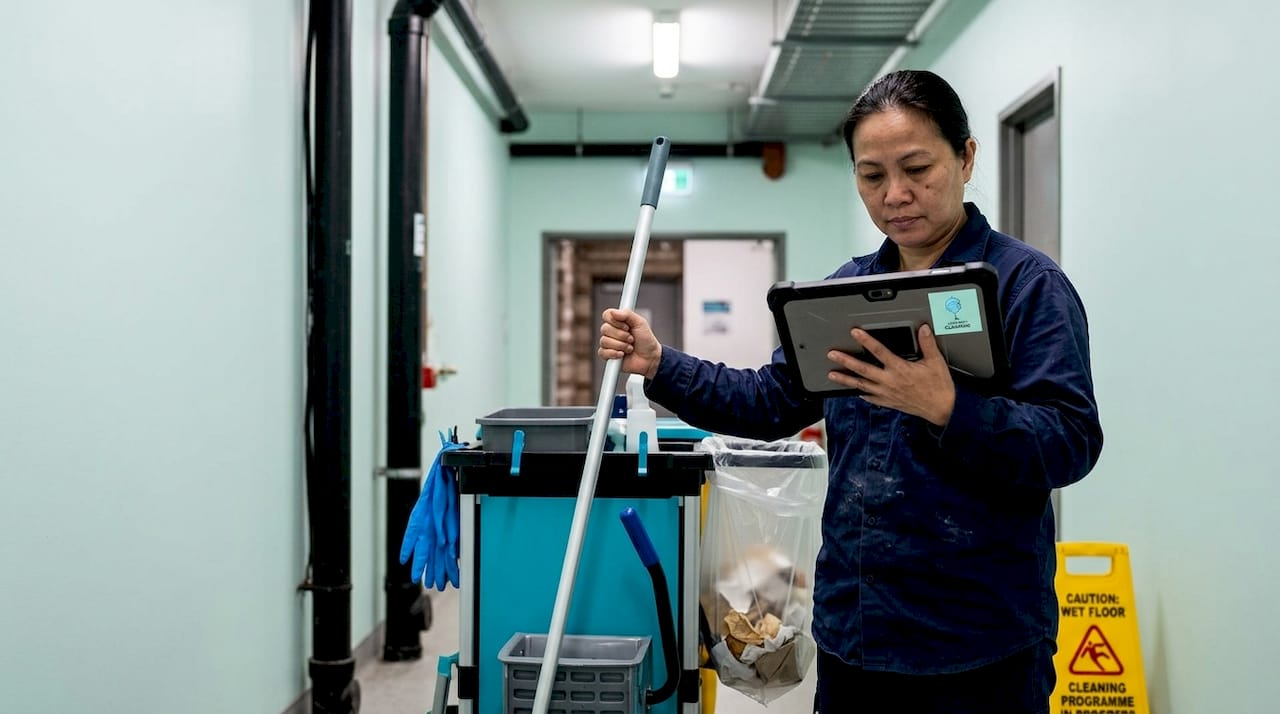
Efficient cleaning workflows can save time and money while maintaining compliance, which is particularly important in sectors like healthcare, childcare, and food service where regulatory requirements are non-negotiable.
Follow these steps to restructure your cleaning programme for maximum efficiency:
- Map your facility: Create a simple floor plan that identifies high-traffic zones, high-touch surfaces, low-use areas, and spaces with specific hygiene requirements
- Prioritise by risk: Allocate more frequent cleaning to restrooms, kitchens, reception areas, and shared equipment; reduce frequency in storage rooms, rarely used meeting rooms, and external areas
- Schedule around occupancy: Shift heavy cleaning to non-peak hours to avoid disruption and allow thorough access to all areas without working around staff or customers
- Assign clear ownership: Every task should have a named owner and a defined standard, so nothing falls through the cracks and nothing gets done twice unnecessarily
- Cross-train your team: Trained cleaning teams who can perform multiple tasks competently reduce your dependency on specialist contractors for routine jobs
- Review monthly: Hold brief monthly check-ins to identify tasks that are taking longer than expected or areas where standards have slipped, then adjust accordingly
Training is a point that many businesses underinvest in. A cleaning staff member who uses the correct technique and the right dilution rate will consistently outperform an untrained person using the same products. Proper training also reduces product waste, equipment damage, and the likelihood of cleaning-related incidents such as slips or chemical injuries, all of which carry their own costs.
"Systematic scheduling and task assignment are the backbone of a cost-efficient cleaning operation. Without them, even the best products and equipment deliver inconsistent results."
Pro Tip: Digital task management tools, including purpose-built cleaning management apps, allow you to schedule, track, and verify cleaning tasks in real time. These tools generate data you can use to further refine your programme and demonstrate compliance to clients, auditors, or regulatory bodies.
Implement sustainable practices for long-term savings
Once your workflow is streamlined, the next step is embedding practices that keep costs down year after year. Sustainable cleaning is not just an ethical position. It is increasingly a financial one, with measurable savings accumulating over time as you reduce chemical use, water consumption, and waste generation.
Environmental cleaning practices can boost efficiency, lower health-related absences, and offer measurable operational savings. These gains compound: a small reduction in chemical use each month becomes a significant annual saving, and fewer staff sick days translate directly into lower labour costs.
Key sustainable initiatives worth implementing include:
- Microfibre cloths and mops: These capture more dirt and bacteria than traditional cotton cloths with far less chemical input, reducing your product costs and improving hygiene outcomes simultaneously
- Dilution control systems: As noted earlier, these eliminate chemical overuse and standardise results across different staff members
- Scheduled deep cleans: Rather than reactive cleaning after problems arise, a scheduled deep clean programme prevents buildup that requires costly specialist intervention
- Cold or warm water protocols: Many modern cleaning products are formulated to work effectively without hot water, reducing energy costs in facilities with high cleaning volumes
- Waste segregation: Proper separation of cleaning waste reduces disposal costs and may qualify your facility for recycling rebates in some states
The staff and visitor benefits are also tangible. Facilities using low-VOC (volatile organic compound) and non-toxic cleaning products consistently report higher air quality scores, which correlate with improved concentration and reduced respiratory complaints among occupants. That means fewer sick days, better productivity, and a more attractive workplace for recruitment and retention.
| Practice | Before | After | Annual saving estimate |
|---|---|---|---|
| Microfibre versus cotton | High product use | 30% less chemical needed | $800 to $2,000 |
| Dilution control | Variable mixing | Consistent, reduced use | $500 to $1,500 |
| Scheduled deep cleans | Reactive intervention | Preventive programme | $1,000 to $3,000 |
| Eco-certified products | Standard chemicals | Lower disposal costs | $400 to $1,200 |
Statistic: Businesses that embed sustainable cleaning practices report an average 15 to 25 percent reduction in total cleaning expenditure within 18 months, alongside a measurable drop in staff absenteeism linked to improved air quality.
What most businesses get wrong about slashing cleaning budgets
Here is an uncomfortable truth: the most common response to budget pressure is a blanket cut across cleaning services. Reduce the frequency, swap to cheaper products, scale back the team. It feels decisive. It rarely works.
Indiscriminate cuts create a sequence of downstream costs that often exceed the original savings. Neglected high-touch surfaces increase the spread of illness among staff, driving absenteeism. Deferred deep cleans allow grime and bacteria to build up to the point where a specialist intervention is required at significantly higher cost. And a visibly unclean facility signals poor management to clients, visitors, and prospective employees.
The smarter approach is targeted reduction based on evidence. Use the audit process described above to identify genuine waste, not just spend. Invest in training so that each hour of labour delivers maximum output. Choose quality over cheapness in products, because the best cleaning practices always account for long-term outcomes, not just the next invoice.
The businesses that achieve lasting savings are the ones that treat cleaning as a managed programme rather than a fixed overhead. They review, adjust, and continuously evaluate. That mindset is the real competitive advantage.
Lower your cleaning costs with professional support
Ready to make your cleaning budget work harder? Knowing the strategies is one thing. Implementing them consistently across a busy facility requires expertise, reliable processes, and the right team.
Just About Cleaning brings over 15 years of experience helping Australian businesses reduce cleaning expenditure without dropping their standards. Our trained crews, eco-aligned product selections, and structured scheduling programmes are designed to deliver measurable cost reductions from the first month. Whether you manage an office, a healthcare facility, a childcare centre, or a large commercial site, we can conduct a thorough cleaning audit and build a programme that fits your budget and your compliance requirements. Contact our team today to discuss a free cleaning assessment and find out exactly where your current spend can work harder for you.
Frequently asked questions
What are the easiest ways to immediately cut cleaning costs?
Focus on auditing your cleaning contracts, reducing waste, and switching to sustainable products for quicker results. Reviewing cleaning frequencies and eliminating duplicated tasks can also produce immediate savings without affecting hygiene.
How can I save on cleaning without risking hygiene standards?
Choose higher-quality, efficient products, streamline processes, and implement targeted, scheduled cleaning to keep standards high while cutting waste. Investing in staff training ensures every cleaning hour produces consistent, compliant results.
Are eco-friendly cleaning methods really cheaper in the long run?
Yes, sustainable practices lower chemical and water use, reduce supplies, and may lower staff sick days, making them cost-effective over time. The savings compound year on year as efficient habits become standard practice across your team.
What common cleaning budget mistakes should I avoid?
Avoid blanket cuts; instead, analyse processes for wasted effort and invest in training to prevent hidden costs from poor hygiene. Reactive cleaning approaches and low-quality product choices are among the most common and costly mistakes Australian facility managers make.