
Maintaining a truly clean and healthy home requires more than occasional tidying. Many homeowners struggle with knowing which methods actually work, which products are safe for their families, and how to create routines that prevent dirt and allergens from accumulating. The right cleaning practices directly impact your family's health, comfort, and the longevity of your home's surfaces. This guide delivers practical, evidence-based best practices that simplify home cleaning while maximising effectiveness, helping you achieve consistently spotless results without overwhelming effort or guesswork.
Table of Contents
- Key takeaways
- How to evaluate cleaning practices for your home
- Essential home cleaning techniques and tools
- Standard cleaning versus deep cleaning: a comparison
- Creating an effective home cleaning schedule
- Discover professional cleaning support for your home
- Frequently asked questions
Key Takeaways
| Point | Details |
|---|---|
| Evaluate cleaning methods | Choose methods based on effectiveness safety and environmental impact to balance clean results with family health and the planet. |
| Right tools matter | Using the right vacuum, cloths and cleaners improves cleaning outcomes and health benefits for your household. |
| Regular and deep cleaning | Regular cleaning routines combined with periodic deep cleans prevent dirt and allergens from building up, making maintenance easier. |
| Cleaning schedule boosts consistency | A practical cleaning schedule prevents chores from piling up and helps you stay consistent. |
How to evaluate cleaning practices for your home
Selecting the right cleaning methods requires considering multiple factors that affect both results and safety. Effectiveness, safety, and environmental friendliness are key criteria for selecting cleaning methods, ensuring your home stays genuinely clean without compromising health or the planet.
Effectiveness means your chosen method actually removes dirt, grime, and pathogens rather than simply moving them around. Look for products and techniques proven to eliminate bacteria and allergens from surfaces. A cleaner that leaves residue or fails to sanitise properly wastes your time and money.
Safety involves choosing non-toxic products that won't harm children, pets, or household members with sensitivities. Many conventional cleaners contain harsh chemicals that trigger respiratory issues or skin irritation. Reading labels and understanding ingredient lists helps you avoid these risks whilst still achieving thorough cleaning.
Environmental friendliness focuses on biodegradable products that break down naturally without polluting waterways or harming ecosystems. Eco-friendly options reduce your household's chemical footprint whilst often proving gentler on surfaces and safer for indoor air quality.
Ease of use and time efficiency matter for maintaining consistent cleaning habits. Products requiring complicated application processes or excessive rinsing often get abandoned. Choose solutions that fit naturally into your routine without demanding unrealistic effort.
Pro Tip: Test new products on small, inconspicuous areas before applying them to entire surfaces to avoid unexpected damage or discolouration that could require costly repairs.
Understanding these criteria prepares you to consider specific cleaning methods and tools suited for your home, including options for comprehensive deep cleaning services when needed.
Essential home cleaning techniques and tools
Mastering core cleaning techniques with proper tools transforms your ability to maintain a spotless home. A combination of vacuuming, dusting, and mopping effectively reduces allergens and bacteria when executed correctly with quality equipment.
Dusting removes surface particles before they accumulate and circulate through your home's air. Microfibre cloths trap dust electrostatically rather than spreading it, making them far superior to traditional feather dusters. Work from top to bottom so falling particles don't resettle on already-cleaned surfaces.
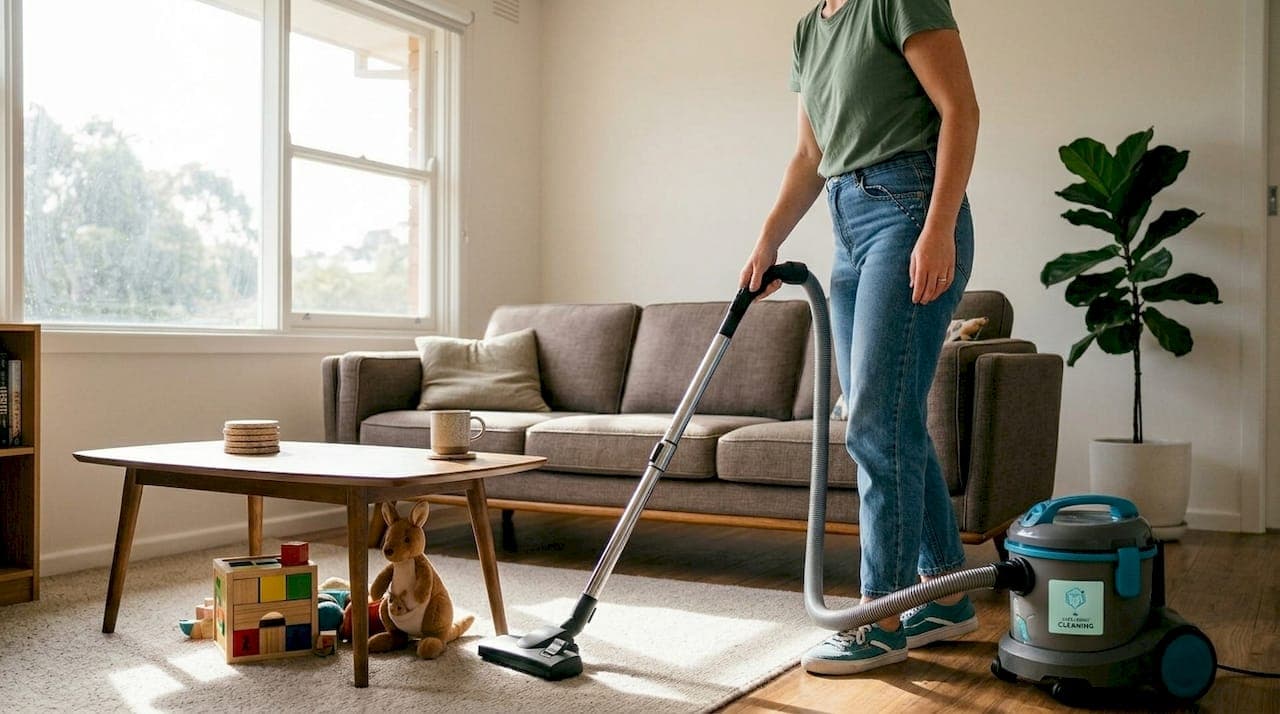
Vacuuming with HEPA filters captures microscopic allergens that standard vacuums simply recirculate. Focus on carpets, rugs, and upholstered furniture where dust mites and pet dander accumulate. Vacuum high-traffic areas twice weekly and less-used spaces weekly for optimal allergen control.
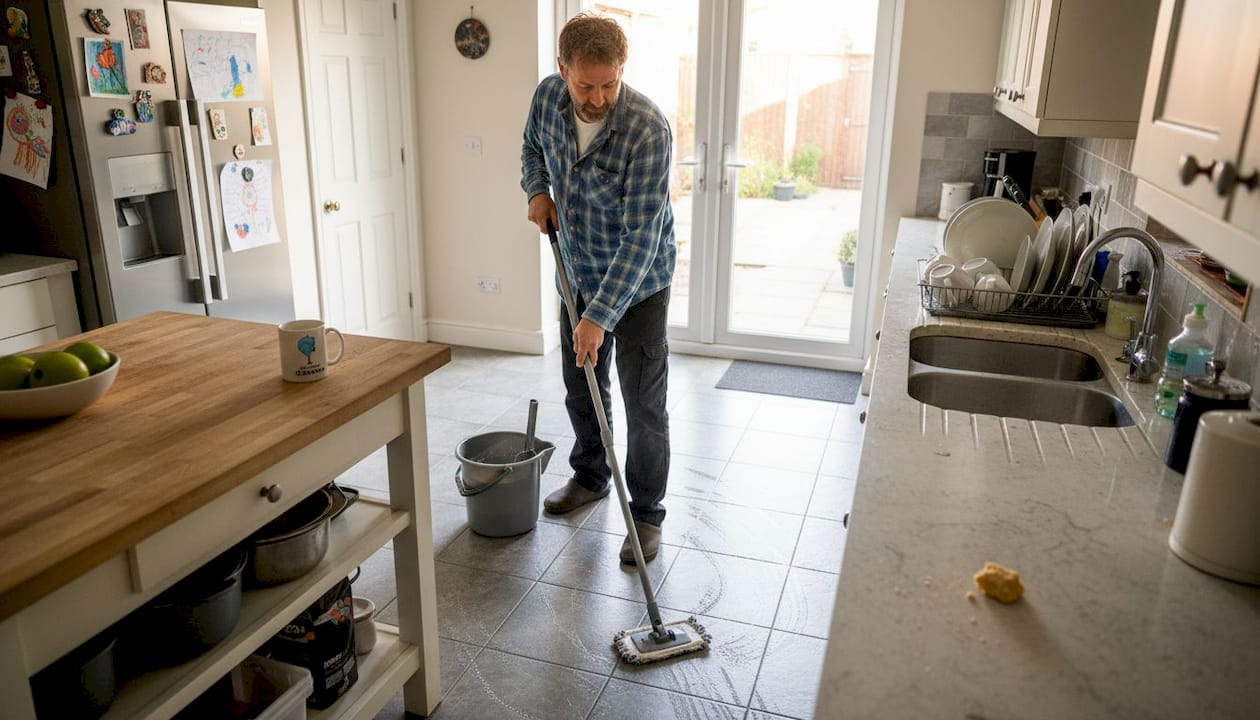
Mopping sanitises hard floors and removes residues that vacuuming misses. Use cleaners appropriate for your floor type, avoiding excess water on timber floors that can cause warping. Change mop water frequently to prevent spreading dirty water across clean areas.
Sanitising high-contact surfaces like doorknobs, light switches, and benchtops prevents germ transmission between family members. Alcohol-based or approved disinfectants kill pathogens effectively when left on surfaces for the manufacturer's recommended contact time.
Pro Tip: Use colour-coded cloths for different rooms or purposes to prevent cross-contamination, such as blue for bathrooms, green for kitchens, and yellow for general areas.
| Tool | Average cost | Effectiveness | Maintenance needs |
|---|---|---|---|
| Microfibre cloths | $15-30/set | Excellent dust capture | Wash weekly, air dry |
| HEPA vacuum | $200-600 | Superior allergen removal | Empty/replace filters monthly |
| Steam mop | $80-250 | Chemical-free sanitising | Descale monthly, replace pads |
| Spray bottles | $10-20/set | Versatile application | Clean weekly, replace yearly |
Now that you know the essential techniques and tools, let's compare standard cleaning routines with deeper cleaning options for thorough maintenance, following professional home cleaning tips.
Standard cleaning versus deep cleaning: a comparison
Understanding the distinction between regular and deep cleaning helps you allocate time and resources effectively. Deep cleaning complements regular cleaning by addressing hard-to-reach and neglected areas for improved hygiene throughout your home.
Standard cleaning encompasses daily or weekly tasks that maintain baseline cleanliness. This includes dusting visible surfaces, vacuuming floors, wiping benchtops, cleaning bathrooms, and tidying living spaces. These routine tasks prevent dirt accumulation and keep your home presentable with manageable effort.
Deep cleaning targets intensive tasks performed less frequently but essential for thorough hygiene. This involves cleaning behind and under appliances, washing window treatments, scrubbing grout, descaling fixtures, and sanitising areas typically overlooked during regular cleaning. These tasks require more time and often specialised products or equipment.
| Aspect | Standard cleaning | Deep cleaning |
|---|---|---|
| Frequency | Daily to weekly | Twice yearly or as needed |
| Duration | 1-3 hours | 4-8 hours or more |
| Tasks | Surface dusting, vacuuming, bathroom cleaning, kitchen wiping | Appliance interiors, grout scrubbing, window washing, baseboard cleaning |
| Benefits | Maintains daily hygiene and appearance | Eliminates hidden dirt, allergens, and bacteria |
| Cost (DIY) | Minimal ongoing | Product investment |
| Cost (professional) | $80-150 per visit | $250-500+ depending on size |
Balancing both approaches ensures your home stays consistently clean whilst preventing the buildup of stubborn dirt and allergens that regular cleaning misses. Most households benefit from weekly standard cleaning supplemented by biannual deep cleaning.
Signs indicating you need deep cleaning include:
- Visible grime in grout lines or tile corners
- Musty odours that persist after regular cleaning
- Increased allergy symptoms among household members
- Sticky residue on kitchen surfaces or appliances
- Dust accumulation in vents or behind furniture
With a clear understanding of cleaning types, we'll next create a practical cleaning schedule to keep your home consistently fresh and healthy, incorporating standard and deep cleaning options.
Creating an effective home cleaning schedule
A well-structured cleaning schedule transforms overwhelming chores into manageable routines. A consistent cleaning schedule prevents overwhelming chores and supports healthier living environments by distributing tasks logically across days, weeks, and months.
Assess your home's size, number of occupants, and lifestyle to determine appropriate cleaning frequency. Larger homes with children or pets require more frequent attention than smaller spaces with fewer residents. Honest evaluation prevents unrealistic schedules that you'll abandon.
Divide tasks into daily, weekly, monthly, and seasonal categories based on necessity and impact:
- Daily tasks: Make beds, wash dishes, wipe kitchen benchtops, quick bathroom tidy, sweep high-traffic areas
- Weekly tasks: Vacuum all floors, mop hard surfaces, clean bathrooms thoroughly, dust furniture, change bed linens, empty bins
- Monthly tasks: Clean appliance exteriors, wash windows, vacuum upholstery, wipe skirting boards, organise cupboards
- Seasonal tasks: Deep clean carpets, wash curtains, clean behind appliances, descale fixtures, organise storage areas
Pro Tip: Set reminders on your phone or use cleaning apps to track tasks and deadlines, ensuring nothing gets forgotten or postponed indefinitely.
Include flexibility to accommodate unexpected events and high-traffic periods like holidays when your home needs extra attention. A rigid schedule that doesn't adapt to real life creates stress rather than reducing it. Build buffer days for catching up on missed tasks without guilt.
Rotate intensive tasks across different weeks to avoid exhausting yourself. Rather than deep cleaning your entire home monthly, focus on one or two rooms each week for thorough attention whilst maintaining others with standard cleaning.
Having a cleaning schedule turns best practices into consistent habits, making home maintenance more manageable and effective. You can also explore home cleaning schedules guide resources for additional planning support.
Discover professional cleaning support for your home
Whilst implementing these best practices significantly improves your home's cleanliness, professional support provides extra thoroughness when you need it most. Just About Cleaning offers comprehensive home cleaning services tailored to your specific needs, using proven techniques and safe products that deliver spotless, healthy results.
Professionals bring specialised equipment, expertise, and efficiency that's difficult to replicate with household tools alone. Their trained teams tackle deep cleaning tasks systematically, reaching areas you might overlook and achieving results that extend the time between intensive cleaning sessions. Outsourcing deep cleaning saves valuable time whilst ensuring thoroughness that protects your family's health and your home's condition. Whether you need regular maintenance support or periodic deep cleaning, professional home cleaning services complement your own efforts for consistently exceptional results. Contact Just About Cleaning to schedule a consultation and discover how expert support makes home maintenance effortless.
Frequently asked questions
What are the best products for home cleaning?
Eco-friendly, non-toxic multipurpose cleaners work effectively for most surfaces whilst protecting your family and the environment. Look for plant-based formulas with biodegradable ingredients that clean without harsh chemical residues. For specialised needs, choose products designed specifically for timber, glass, or different flooring types to avoid damage. Always test new products on small, inconspicuous areas first to ensure compatibility with your surfaces before full application.
How often should deep cleaning be done?
Most homes benefit from deep cleaning at least twice yearly, typically in spring and autumn. Busy households with children, pets, or allergy sufferers may require quarterly deep cleaning to maintain optimal hygiene and air quality. Watch for signs like persistent odours, visible grime in hard-to-reach areas, or increased allergy symptoms that indicate you need deep cleaning sooner than scheduled.
What is the difference between sanitising and disinfecting?
Sanitising reduces bacteria to safe levels as defined by public health standards, making surfaces hygienic for everyday use. Disinfecting kills a broader range of pathogens including viruses and more resistant bacteria, providing higher-level protection. Both processes are important for maintaining a healthy home environment, with disinfecting particularly crucial during illness outbreaks or on high-touch surfaces like doorknobs and light switches.
How can I maintain cleanliness between deep cleans?
Implement daily habits like wiping benchtops after use, quick bathroom touch-ups, and spot cleaning spills immediately to prevent buildup. Regular vacuuming of high-traffic areas and weekly bathroom cleaning maintain baseline hygiene without major effort. Establishing these small, consistent habits significantly reduces the workload before scheduled deep cleans, keeping your home fresher longer with manageable daily effort.