
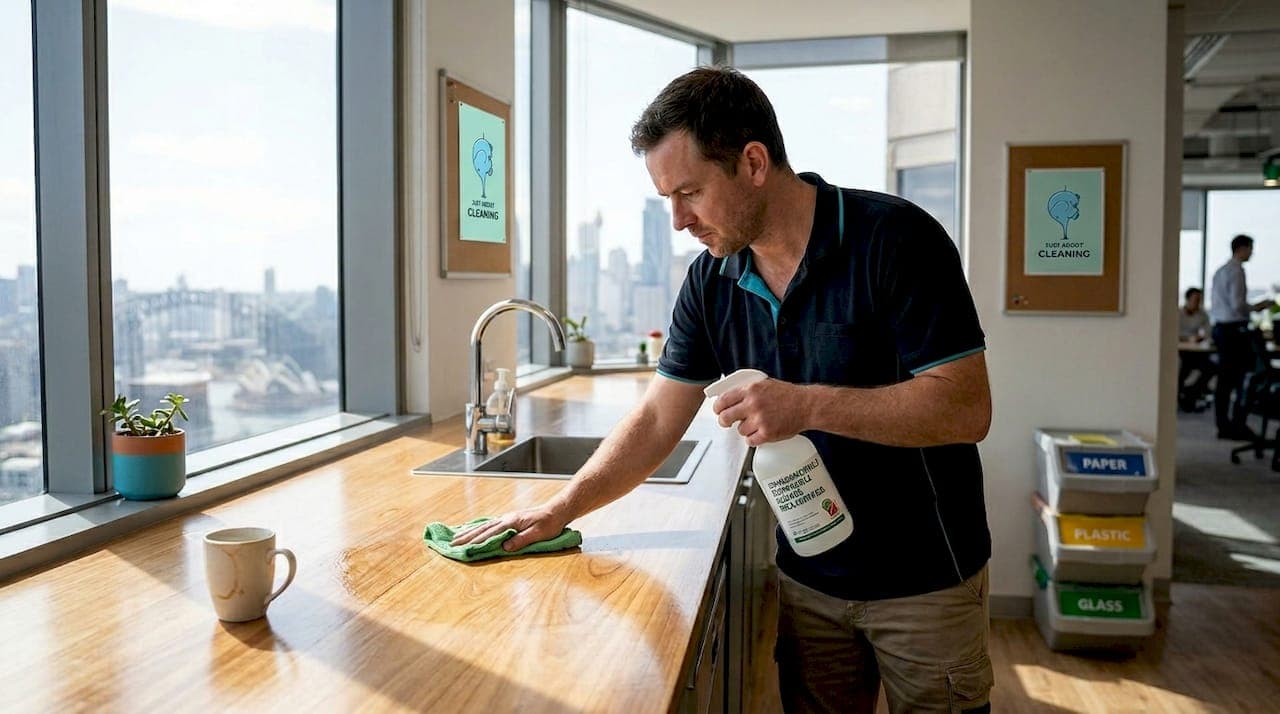
Many business owners assume eco-friendly cleaning can't match the hygiene standards of conventional chemicals, especially in high-traffic commercial spaces. This misconception keeps countless Australian businesses locked into harsh chemical routines despite mounting evidence that certified eco-friendly products deliver comparable results while protecting staff health and meeting environmental obligations. This guide cuts through the confusion, showing you exactly how eco-friendly cleaning works in real commercial and residential settings, what certifications matter, and how to implement these methods without compromising on cleanliness or compliance.
Table of Contents
- Key takeaways
- What is eco-friendly cleaning and why does it matter
- Cleaning methodologies that deliver hygiene with sustainability
- Navigating challenges: balancing efficacy, cost, and compliance
- Applying eco-friendly cleaning: steps for Australian businesses and property managers
- Discover Just About Cleaning's eco-friendly services
- Frequently asked questions
Key Takeaways
| Point | Details |
|---|---|
| GECA certified products | GECA certification ensures low VOC formulations, plant based ingredients and full biodegradability within 28 days for commercial and residential cleaning. |
| Lower VOC emissions | They contain less than 3 percent VOCs, compared with 15 to 40 percent in conventional cleaners, improving indoor air quality. |
| Comparable hygiene performance | Certified eco products deliver similar soil removal and microbial reduction to conventional cleaners in real commercial and residential settings. |
| Practical adoption steps | Follow GECA labelled guidance, use concentrate systems to cut waste, and implement steam cleaning and microfibre cloths to maintain cleanliness and compliance. |
What is eco-friendly cleaning and why does it matter
Eco-friendly cleaning uses GECA-certified products with low-VOC formulations, plant-based ingredients, and full biodegradability within 28 days, meeting Australian standards for commercial and residential hygiene while reducing environmental impact. These products contain less than 3% volatile organic compounds compared to 15-40% in conventional cleaners, dramatically cutting indoor air pollution that triggers respiratory issues and sick days. The certification process verifies ingredients against environmental benchmarks, ensuring products break down safely in waterways rather than accumulating as persistent pollutants.
Plant-based formulations derive cleaning power from renewable sources like coconut oil surfactants and citrus extracts, replacing petroleum-derived chemicals that contribute to fossil fuel dependence. These plant-based cleaning products deliver effective soil removal and microbial reduction without the toxic residues that linger on surfaces and transfer to skin. Australian standards for commercial hygiene require specific pathogen reduction levels, and certified eco products meet these benchmarks through carefully balanced pH levels and surfactant systems that disrupt bacterial cell walls.
The benefits extend beyond environmental metrics. Reduced chemical exposure means fewer workplace injuries from chemical burns, respiratory distress, and allergic reactions. Staff handling eco-friendly products experience lower rates of contact dermatitis and chronic respiratory conditions, cutting workers' compensation claims and sick leave costs. Property managers report higher tenant satisfaction when eco-friendly cleaning eliminates harsh chemical odours and reduces allergy triggers in shared spaces.
Key environmental and health advantages include:
- Lower toxicity reduces acute poisoning risk and chronic health impacts for cleaning staff
- Biodegradable formulations prevent waterway contamination and aquatic ecosystem damage
- Reduced VOC emissions improve indoor air quality, particularly crucial for childcare centres and healthcare facilities
- Renewable ingredient sourcing decreases carbon footprint compared to petroleum-based chemical production
- Minimal packaging waste through concentrate systems that dilute on-site
Pro Tip: Check for GECA certification logos on product labels rather than vague "eco" or "green" marketing claims, as only certified products undergo independent verification of environmental and performance standards.
Cleaning methodologies that deliver hygiene with sustainability
Methodologies include steam cleaning, microfiber cloths, electrostatic sprayers, minimal water usage, natural disinfectants like vinegar and tea tree oil, and clean-then-disinfect sequences that maximise eco-product performance. Steam cleaning achieves 99.9% pathogen reduction through 160°C heat application, eliminating bacteria and viruses without any chemical residue. The high-temperature vapour penetrates porous surfaces like grout and fabric, lifting embedded soil that conventional mopping leaves behind.
Microfiber cloths trap particles at the microscopic level through electrostatic attraction and dense fibre weaving, removing up to 99% of surface bacteria with water alone. This mechanical cleaning reduces chemical dependency while improving soil removal efficiency. Electrostatic sprayers charge cleaning solution droplets, causing them to wrap around surfaces and reach hidden areas that manual application misses. This technology stretches eco-product coverage, reducing overall chemical use while improving disinfection consistency.
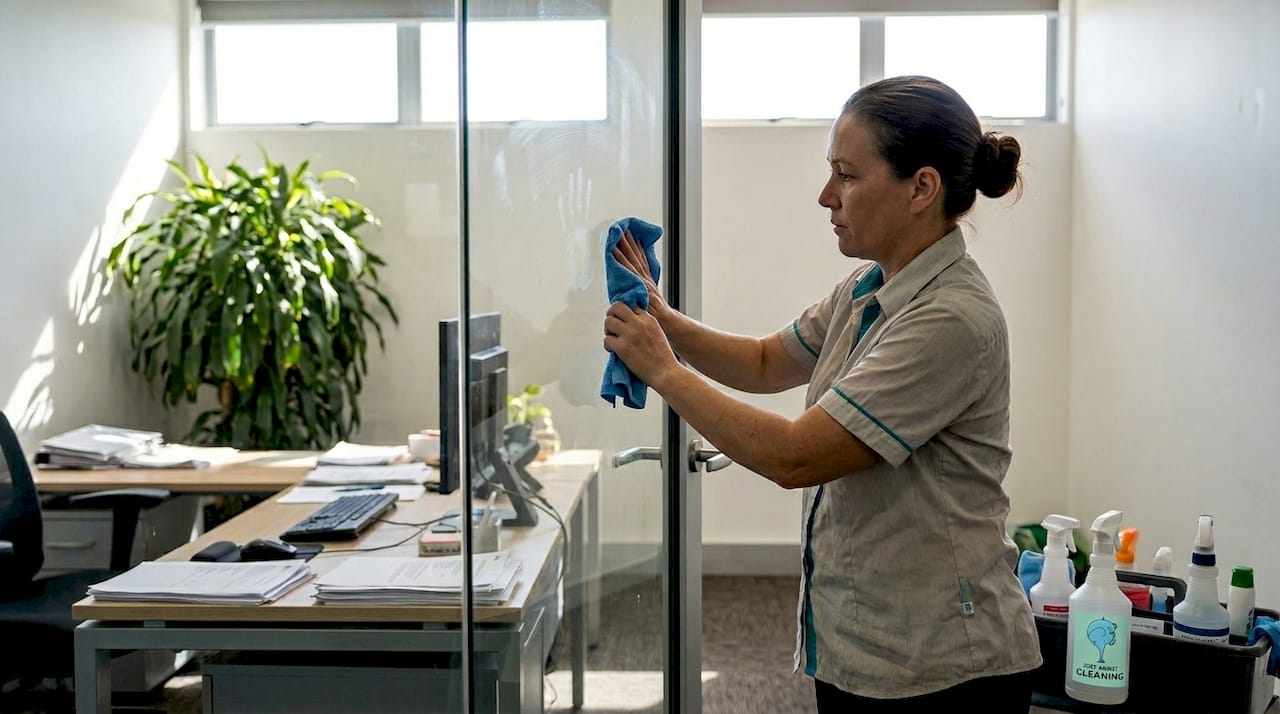
Natural disinfectants leverage antimicrobial properties of plant compounds. Tea tree oil contains terpinen-4-ol, which disrupts bacterial cell membranes, while vinegar's acetic acid creates hostile pH conditions for pathogens. Research shows eco disinfectants approach quaternary ammonium compound efficacy when combined with mechanical cleaning methods, though contact times may extend from 30 seconds to 2-3 minutes for equivalent pathogen reduction.
The clean-then-disinfect sequence matters enormously. Removing visible soil first allows disinfectants to contact surfaces directly rather than binding to organic matter. This two-step process improves eco-disinfectant performance by 40-60% compared to single-step application. Minimal water usage through concentrate dilution and spray application reduces wastewater volume, cutting disposal costs and environmental load.
Limitations exist. Heavy grease accumulation in commercial kitchens may require stronger alkaline cleaners than eco-friendly options provide. Disease outbreaks demand hospital-grade disinfectants with shorter contact times and broader pathogen coverage. Hybrid approaches work best: use eco cleaning methodologies for routine maintenance, reserving conventional chemicals for specific challenges. This balanced strategy maintains hygiene standards while maximising environmental benefits.
Effective implementation steps:
- Deploy steam cleaners for bathroom fixtures, tile grout, and upholstery to eliminate chemical use in high-touch areas
- Train staff on proper microfiber cloth folding techniques to maximise clean surface area and prevent cross-contamination
- Calibrate electrostatic sprayers for optimal droplet size and coverage patterns specific to each facility layout
- Extend contact times for natural disinfectants, allowing 3-5 minutes on surfaces before wiping
- Maintain separate protocols for outbreak scenarios, switching to faster-acting conventional disinfectants when required
Pro Tip: Colour-code microfiber cloths by area to prevent cross-contamination between bathrooms, kitchens, and general spaces, a practice that boosts hygiene outcomes regardless of cleaning product choice.
Navigating challenges: balancing efficacy, cost, and compliance
Eco-friendly cleaning faces three primary challenges: less effective for heavy grease and outbreaks, higher upfront costs, and complex compliance requirements under Australian environmental law. Heavy grease requires strong alkaline formulations that break down lipid bonds, and many eco-friendly products use milder pH levels to maintain biodegradability. Disease outbreaks demand rapid pathogen kill times that some plant-based disinfectants can't match, creating hygiene risks if facilities rely solely on eco products during influenza season or gastroenteritis incidents.
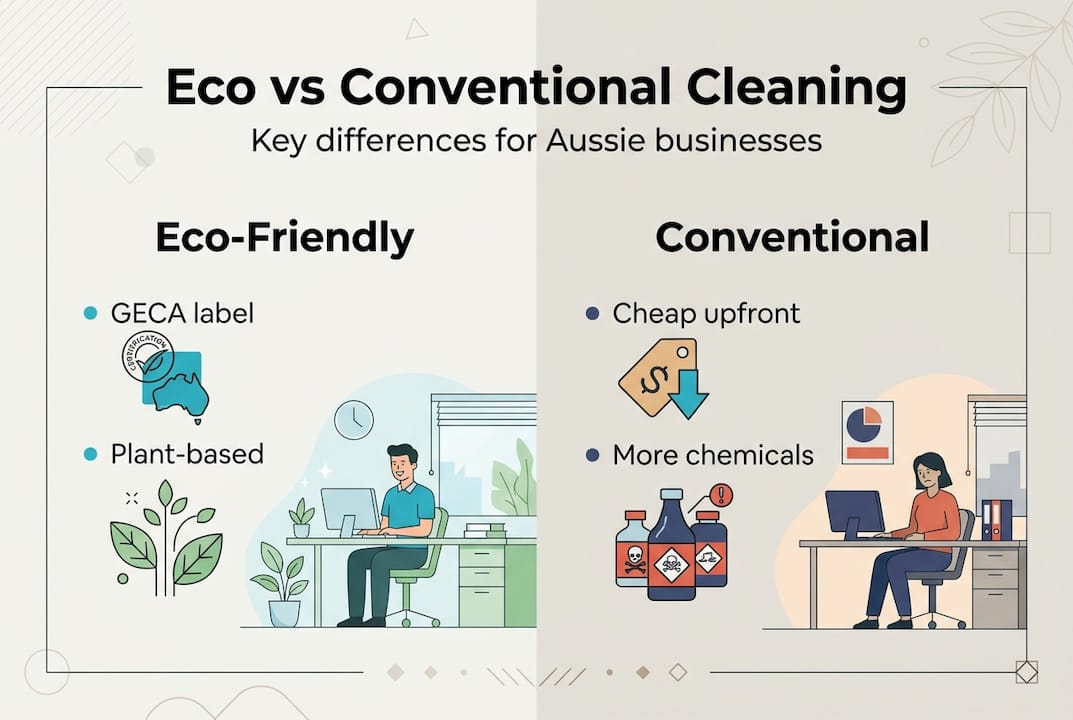
Cost comparisons reveal nuanced trade-offs. Eco-friendly concentrates cost 20-40% more per litre than conventional products, but dilution ratios often favour eco options. A 5-litre eco concentrate diluting at 1:100 produces 500 litres of working solution, while conventional products may dilute at 1:50, yielding only 250 litres. Over 12 months, concentrate efficiency often neutralises price premiums. Reduced sick leave and workers' compensation claims add hidden savings that surface in year two or three of eco-friendly programs.
| Factor | Eco-friendly products | Conventional chemicals |
|---|---|---|
| Upfront cost per litre | $15-25 | $10-18 |
| Typical dilution ratio | 1:100 to 1:200 | 1:50 to 1:100 |
| Contact time for disinfection | 2-5 minutes | 30 seconds to 2 minutes |
| VOC content | Less than 3% | 15-40% |
| Staff sick leave impact | 15-25% reduction | Baseline |
| Waterway biodegradability | 28 days, complete | Partial or persistent |
Legal obligations under General Environmental Duty require Australian property managers to minimise environmental harm from business operations, including cleaning product selection and disposal. Queensland and New South Wales enforce these duties most actively, with penalties reaching $50,000 for businesses that ignore reasonable alternatives to harmful chemicals. GECA certification provides documented evidence of environmental responsibility, strengthening legal defence if authorities investigate chemical use or waste disposal practices.
Hybrid cleaning strategies balance these competing demands. Routine maintenance uses eco-friendly products for floors, surfaces, and general cleaning, capturing 80-90% of cleaning tasks. Reserve conventional chemicals for specific challenges:
- Kitchen exhaust hoods and deep fryer areas where heavy grease accumulation demands strong alkaline degreasers
- Confirmed disease outbreaks requiring hospital-grade disinfectants with 30-second contact times
- Mould remediation in water-damaged areas needing fungicidal treatments beyond eco-product capabilities
- Periodic deep cleans of high-traffic areas where accelerated soil buildup exceeds eco-product removal rates
Staff training closes performance gaps. Proper technique improves eco-product results by 30-50%, often matching or exceeding poorly executed conventional cleaning. Training should cover dilution accuracy, contact time importance, mechanical agitation methods, and equipment maintenance. Monthly audits verify technique compliance and identify areas needing additional support.
Pro Tip: Document your hybrid cleaning protocols and GECA-certified product use in writing to demonstrate environmental duty compliance if regulators investigate, as written policies carry more legal weight than verbal claims about eco cleaning compliance guidance practices.
Applying eco-friendly cleaning: steps for Australian businesses and property managers
For Australian business owners and property managers, prioritise GECA-certified products, transition via audits and staff training, and maintain hybrid cleaning protocols for outbreaks. Starting with multipurpose concentrates reduces inventory complexity while building staff confidence with eco products before expanding to specialised formulations. A staged approach over 3-6 months allows gradual adjustment and problem-solving without disrupting operations or compromising hygiene.
Implementation follows these sequential steps:
- Audit current cleaning products and identify GECA-certified replacements for 60-80% of routine tasks, focusing on high-volume items like floor cleaners and surface sprays
- Purchase trial quantities of 2-3 eco-friendly concentrates and test in low-risk areas like offices or common spaces before expanding to critical zones
- Train cleaning staff on dilution procedures, contact times, and mechanical techniques that maximise eco-product performance through hands-on demonstrations
- Establish hybrid protocols documenting when conventional products remain necessary, creating clear triggers for switching between eco and conventional approaches
- Implement monthly checklists tracking cleaning effectiveness, staff feedback, and cost metrics to identify issues early and adjust protocols
- Schedule quarterly reviews comparing hygiene outcomes, costs, and staff satisfaction against pre-transition baselines to quantify program benefits
Starting with multipurpose concentrates for cost savings, monitoring via checklists, and gaining tenant satisfaction and reduced liabilities deliver measurable returns. Multipurpose formulations handle 70-80% of cleaning tasks, from glass and surfaces to floors and fixtures, simplifying inventory and training. Concentrate systems cut packaging waste by 80-90% compared to ready-to-use products, reducing disposal costs and storage space requirements.
Monitoring mechanisms ensure consistent results:
- Weekly visual inspections of high-touch surfaces using ATP meters that quantify bacterial presence through bioluminescence readings
- Monthly staff surveys capturing feedback on product performance, ease of use, and any skin irritation or respiratory issues
- Quarterly tenant satisfaction surveys measuring cleanliness perceptions and odour complaints compared to previous periods
- Annual cost analysis comparing product expenses, sick leave, workers' compensation claims, and waste disposal fees
Tenant satisfaction improves dramatically when eco-friendly cleaning eliminates harsh chemical odours and reduces allergy triggers. Property managers report 20-30% fewer complaints about cleaning smells and respiratory irritation after transitioning to certified eco products. Reduced liability exposure stems from lower chemical injury rates and stronger environmental compliance documentation that protects against regulatory penalties.
Best practices for sustainable, compliant cleaning programs include maintaining detailed records of product certifications, training completion, and audit results. Documentation proves environmental responsibility if tenants, regulators, or insurance providers question practices. Regular communication with tenants about eco-friendly initiatives builds goodwill and differentiates properties in competitive markets. Partnering with eco cleaning solutions providers who understand certification requirements and hybrid protocols accelerates implementation while avoiding common pitfalls.
Discover Just About Cleaning's eco-friendly services
Transitioning to eco-friendly cleaning delivers clear benefits, but implementation complexity and staff training requirements challenge many businesses. Professional support accelerates results while avoiding the trial-and-error costs of independent transitions. Eco-friendly cleaning services combine certified products with expert technique, delivering immediate hygiene and environmental benefits without disrupting operations.
Just About Cleaning Australia specialises in professional commercial cleaning using GECA-certified products across industrial, healthcare, education, hospitality, and retail spaces. Their trained crews understand hybrid protocols, applying eco-friendly methods for routine maintenance while recognising situations requiring conventional approaches. Over 15 years of experience means they've solved the challenges you're anticipating, from heavy grease removal to outbreak management. Customised cleaning plans address your specific facility needs, whether you manage office buildings, medical centres, childcare facilities, or strata properties. Their commitment to environmental sustainability aligns with your ESG goals while maintaining the spotless, hygienic environments your tenants and customers expect.
Pro Tip: When evaluating cleaning providers, request documentation of their GECA-certified product use and staff training records to verify genuine eco-friendly practices rather than greenwashing marketing claims.
Frequently asked questions
What are the benefits of eco-friendly cleaning for businesses?
Eco-friendly cleaning reduces staff sick leave by 15-25% through lower chemical exposure, cutting respiratory issues and skin irritation. Compliance with General Environmental Duty protections shields businesses from regulatory penalties reaching $50,000 in Queensland and New South Wales. Tenant satisfaction improves measurably when harsh chemical odours disappear and allergy triggers decrease in shared spaces.
How do eco-friendly products compare to conventional chemicals in hygiene effectiveness?
Certified eco-friendly products match conventional chemical performance for 80-90% of cleaning tasks when staff use proper technique and contact times. Natural disinfectants like tea tree oil and vinegar approach quaternary ammonium compound efficacy but require 2-5 minutes contact time versus 30 seconds for conventional options. Hybrid protocols reserving conventional chemicals for heavy grease and outbreaks maintain hygiene standards while maximising environmental benefits.
What legal responsibilities do Australian businesses have regarding cleaning products?
General Environmental Duty requires businesses to minimise environmental harm from operations, including cleaning product selection and disposal practices. Queensland and New South Wales actively enforce these obligations, with penalties reaching $50,000 for businesses ignoring reasonable alternatives to harmful chemicals. GECA certification provides documented evidence of environmental responsibility, strengthening legal defence during regulatory investigations.
How can businesses implement eco-friendly cleaning effectively?
Start with GECA-certified multipurpose concentrates for 60-80% of routine cleaning tasks, testing in low-risk areas before expanding. Train staff on proper dilution, contact times, and mechanical techniques through hands-on demonstrations. Establish hybrid protocols documenting when conventional products remain necessary for heavy grease or outbreaks. Monitor effectiveness monthly using ATP meters, staff surveys, and tenant feedback to identify issues early and adjust approaches.
Do eco-friendly cleaning products cost more than conventional options?
Eco-friendly concentrates cost 20-40% more per litre upfront but often dilute at 1:100 to 1:200 versus 1:50 to 1:100 for conventional products. A 5-litre eco concentrate at 1:100 dilution produces 500 litres of working solution, matching or beating conventional product costs per use. Reduced sick leave, lower workers' compensation claims, and decreased liability exposure add hidden savings that typically neutralise price premiums within 12-24 months of program implementation.