
TL;DR:
- Proper cleaning removes hazards, reducing slips, trips, and falls in workplaces.
- Regular cleaning lowers bacteria, allergens, and illness transmission, improving staff health.
- Effective cleaning is a key safety investment that can decrease costs and enhance compliance.
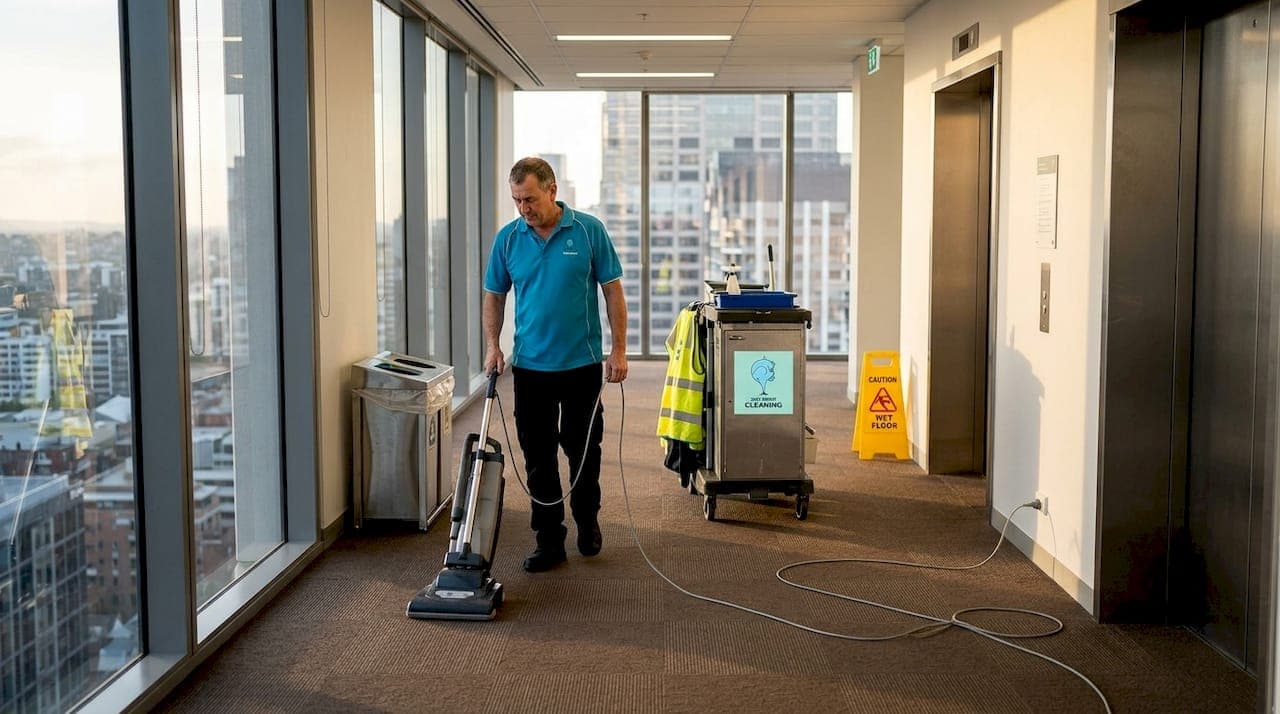
Slips, trips, and falls are among the most common causes of serious workplace injuries across Australia, and insufficient cleaning is a major contributing factor. Many business owners think of cleaning as a background task, something to keep spaces looking presentable. In reality, it is a frontline safety measure. Cleaning prevents injuries by removing spills, debris, and contaminants that turn ordinary floors into genuine hazards. This article walks you through the direct link between cleaning and workplace safety, identifies the risks a strong cleaning routine addresses, and gives you a practical framework for building a safer, healthier environment for your team.
Table of Contents
- Why cleaning is foundational for workplace safety
- Key risks reduced by effective cleaning
- Common cleaning pitfalls and how to avoid them
- Building an effective workplace cleaning strategy
- What most businesses get wrong about cleaning and safety
- Take the next step to a safer, healthier workplace
- Frequently asked questions
Key Takeaways
| Point | Details |
|---|---|
| Cleaning prevents injuries | Routine cleaning removes hazards, significantly reducing slips, trips, and falls. |
| Boosts health and productivity | Proper hygiene reduces sick days and supports a more productive workforce. |
| Training makes a difference | Engaging trained professionals helps avoid cleaning pitfalls and enhances safety results. |
| Strategic plans pay off | A tailored cleaning strategy leads to safer, more compliant workplaces and lower costs. |
Why cleaning is foundational for workplace safety
To understand the role of cleaning, let's start by exploring why it sits at the heart of workplace safety across every industry.
Cleaning is not simply about appearances. It directly removes the physical hazards that cause real harm to real people. Spills left unattended become slip hazards within minutes. Dust build-up in warehouses or manufacturing facilities can obscure vision, coat equipment, and affect air quality. Wet surfaces from condensation or plumbing leaks, if not promptly dried, raise the risk of a fall dramatically.
The numbers make this clear. According to Safe Work Australia's 2024 data, 30,300 serious claims resulted from slips, trips, and falls in a single year, representing 21.8% of all serious workers compensation claims nationally. That is nearly one in five serious workplace injuries, many of which are preventable with consistent, well-executed cleaning.
Beyond immediate injuries, cleaning also protects against longer-term health issues. Mould, dust mites, chemical residues, and airborne allergens accumulate in workplaces where cleaning is infrequent or poorly performed. These contaminants contribute to respiratory conditions, skin irritation, and chronic fatigue that reduce staff performance over time.
Here is what a proper cleaning routine actively addresses:
- Wet or contaminated floor surfaces
- Grease and oil spills in kitchens, warehouses, and workshops
- Dust and particulate matter in HVAC systems and storage areas
- Build-up on handrails, stairs, and walkways
- Biological waste in bathrooms, medical areas, and food preparation zones
"A clean workplace is not a luxury. It is the baseline requirement for keeping your staff safe, your operations compliant, and your business protected."
Understanding the trained cleaners' impact on safety outcomes is essential for facility managers. Likewise, knowing the cleaning service types available helps you match the right approach to your specific operational environment.
Key risks reduced by effective cleaning
Having established cleaning's central role, it's key to pinpoint the specific risks that a robust cleaning routine tackles.
Bacterial and viral transmission is one of the most significant and often underestimated workplace health risks. High-touch surfaces like door handles, lift buttons, shared keyboards, and bathroom fixtures can harbour pathogens for hours. In a busy office or retail environment, a single infected surface can lead to multiple staff becoming unwell within days.
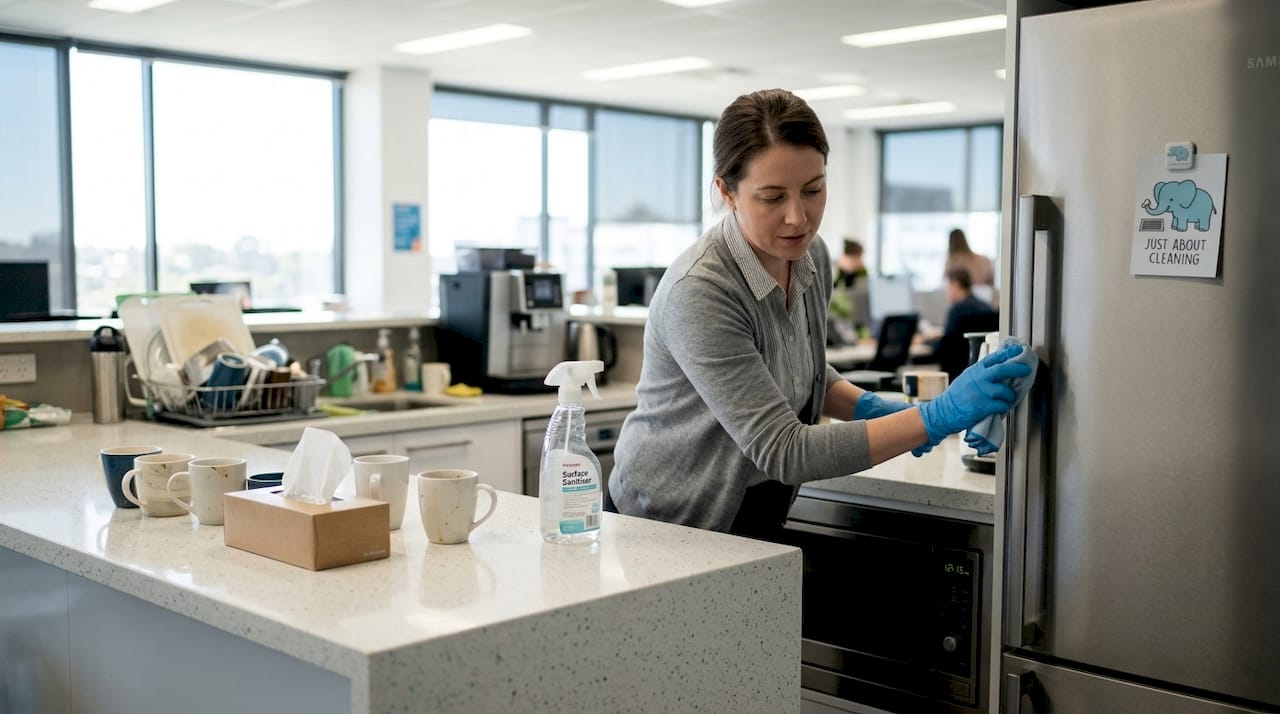
Workplace hygiene directly reduces bacteria, viruses, allergens, and biohazards, lowering illness transmission and absenteeism. Research estimates that poor hygiene can cost workers up to 3.5 additional sick days per year, with productivity losses reaching 15% in heavily affected teams.
Here are the primary risk categories that effective cleaning addresses:
- Infectious illness transmission through contaminated surfaces and air
- Allergen exposure from dust, mould spores, and chemical residues
- Slip and fall injuries caused by wet or debris-laden floors
- Biohazardous waste accumulation in healthcare, childcare, or food environments
- Mental health impacts from persistently dirty or cluttered work environments
| Risk factor | Regular cleaning | Irregular cleaning |
|---|---|---|
| Slip and fall hazards | Minimised promptly | Allowed to accumulate |
| Bacterial surface load | Reduced consistently | High between deep cleans |
| Allergen levels | Controlled | Often elevated |
| Staff absenteeism | Lower, fewer sick days | Higher, more lost time |
| Regulatory compliance | Maintained | Potentially breached |
Pro Tip: Prioritise cleaning schedules around your highest-traffic times. Shared kitchens and bathrooms used by 20 or more staff need attention multiple times daily, not just once at the end of the day.
Setting clear cleaning standards in offices ensures those risks are managed systematically. For industrial operations, understanding warehouse cleaning compliance helps align hygiene practices with safety regulations specific to your sector.
Common cleaning pitfalls and how to avoid them
Not all cleaning is equally safe. It is crucial to be aware of common mistakes that can undermine your objectives and, in some cases, introduce entirely new risks.
One of the most frequently overlooked hazards is the cleaning process itself. Wet floors during mopping are a leading cause of slips if no warning signage is displayed. Using the wrong cleaning product on certain surfaces can leave chemical residues that cause skin contact reactions or make floors unexpectedly slippery.
Poor cleaning execution, such as leaving wet floors unattended or using incorrect products, can directly increase the risk of injury rather than reduce it. This is exactly why training and proper procedures matter as much as the act of cleaning itself.
Common pitfalls to watch for include:
- Failing to place wet floor signs during and after mopping
- Using generic cleaning products not suited to specific surface materials
- Missing high-touch points such as light switches, lift buttons, and shared equipment
- Inconsistent scheduling that leaves high-risk areas unattended for extended periods
- Relying on untrained or poorly supervised staff to manage complex cleaning tasks
- Neglecting areas out of immediate sight, like storage rooms and stairwells
"Even well-intentioned cleaning, carried out with the wrong product or without proper drying time, can leave a surface more hazardous than it was before."
The solution is straightforward but requires commitment. Engage only cleaning professionals who bring rigorous cleaner training and documented procedures to every job. Supplement regular cleaning with periodic deep cleaning practices that address areas missed by routine visits and restore surfaces to a genuinely safe standard.
Pro Tip: Ask your cleaning provider for a written scope of works and a sign-off checklist. This creates accountability and gives you a clear record for compliance audits.
Building an effective workplace cleaning strategy
Avoiding risks is only part of the equation. Here is how you can proactively design a safety-first cleaning programme suited to your operations.
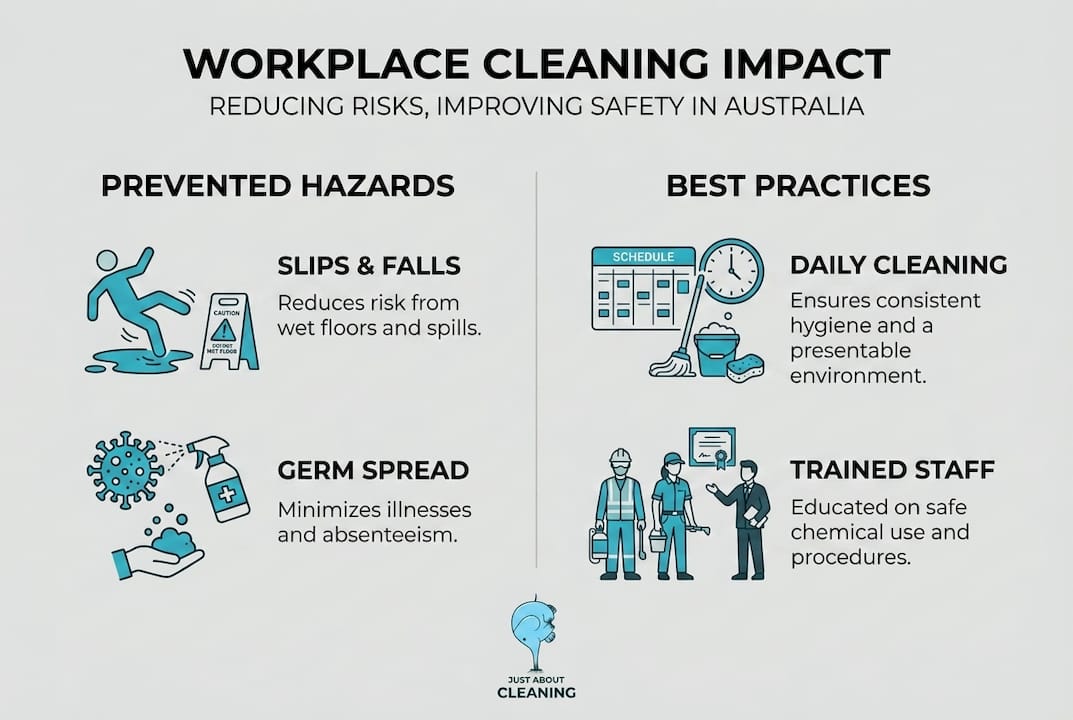
A strong strategy starts with understanding your specific environment. A healthcare clinic has very different hygiene demands to a retail store or a warehouse. Map your facility, identify high-risk zones, and build a cleaning schedule that reflects the actual frequency of use and the type of hazards present.
Here is a practical approach to developing your workplace cleaning strategy:
- Conduct a risk assessment to identify areas most prone to spills, contamination, or heavy foot traffic
- Define cleaning frequencies for each zone, separating daily tasks from weekly and monthly deep cleans
- Assign responsibilities clearly, whether to an internal team member or an external provider
- Implement checklists so every task is documented and verifiable
- Schedule regular inspections to audit cleaning quality and update the programme as your operations change
Investing in workplace hygiene management pays clear dividends. Businesses that maintain consistent cleaning standards report lower absenteeism, fewer WorkCover claims, and better staff morale.
| Annual cleaning investment | Outcome |
|---|---|
| Consistent daily cleaning | Fewer injury claims and reduced WorkCover costs |
| Periodic deep cleaning | Maintained air quality and allergen control |
| High-touch disinfection programme | Lower sick day frequency across teams |
| Professional compliance audits | Regulatory confidence and reduced liability |
Pro Tip: Build your cleaning schedule around your industry's regulatory requirements. Healthcare and childcare facilities must meet specific hygiene standards. Aligning your programme to these benchmarks protects both your staff and your licence to operate.
For practical guidance on day-to-day upkeep, office hygiene maintenance resources provide sector-specific checklists. If you are managing a commercial building, reviewing commercial office cleaning best practices can sharpen your internal standards significantly.
What most businesses get wrong about cleaning and safety
After working with businesses across Australia for over 15 years, one pattern stands out clearly. Most operators treat cleaning as a cost to minimise rather than a safety investment to optimise.
The result is predictable. Shared spaces like kitchens and restrooms get rushed attention while less visible areas are ignored entirely. The connection between a dirty environment and declining staff mental health is rarely acknowledged, even though research consistently shows that cluttered, unhygienic spaces increase stress and reduce engagement.
The businesses that get this right think of cleaning as part of their risk management framework, not their facilities budget. They track absenteeism before and after improving their cleaning programmes. They treat a serious slip and fall not as bad luck but as a preventable systems failure. Reviewing your cleaning standards impact from a compliance perspective reinforces this mindset shift.
A safety-focused cleaning culture also builds your reputation with clients, insurers, and staff alike. Lower incident rates can directly influence your insurance premiums. That is a financial outcome worth pursuing.
Take the next step to a safer, healthier workplace
With a clear cleaning strategy, securing your workplace now becomes a practical reality rather than an overwhelming task.
Every workplace has unique risks, and the most effective cleaning solutions are tailored to address them directly. Whether you manage a busy office, a healthcare facility, a warehouse, or an education centre, professional cleaning support can make a measurable difference to your safety outcomes and compliance standing.
At Just About Cleaning, our experienced teams work across industries throughout Australia, delivering cleaning programmes built around your specific environment and regulatory requirements. We bring over 15 years of industry knowledge, trained onsite crews, and eco-friendly practices that align with modern workplace safety standards. Contact us to arrange a site assessment and discover how a tailored cleaning solution can protect your people and your business.
Frequently asked questions
How often should workplaces in Australia be cleaned for safety?
Most workplaces should be cleaned daily, with high-traffic and shared areas attended to multiple times per day. Adapt frequency based on your industry standards and specific risk profile, as hygiene frequency directly affects illness transmission and absenteeism rates.
What workplace hazards are best addressed by regular cleaning?
Cleaning is most effective at reducing slips, trips, falls, illness transmission, and allergen build-up. Removing spills and contaminants from floors and surfaces is particularly critical, as these are leading causes of serious workplace injuries in Australia.
Can poor cleaning practices make a workplace more hazardous?
Yes, improper methods such as leaving wet floors unattended or using incorrect products can create new risks. Poor cleaning execution directly contributes to workplace injuries, which is why trained professionals and documented procedures are essential.
Does investing in professional cleaning actually reduce costs?
Effective cleaning reduces absenteeism, lost productivity, and serious injury claims, which lowers overall business costs. Reducing bacteria and allergens through consistent professional cleaning has measurable impact on WorkCover claims and staff performance across Australian workplaces.
Recommended
- Office cleaning standards explained for Australian businesses 2026
- How cleaning standards boost compliance and safety: 34% fewer infections
- Sustainable cleaning practices for Australian businesses
- Eco-friendly cleaning for Australian businesses: key facts
- Effective spring cleanup for Calgary businesses in 2026