
TL;DR:
- Home hygiene in Australia should focus on handwashing and high-touch surface cleaning.
- Routine targeted cleaning and proper moisture control are essential for preventing mould and contamination.
- Overusing disinfectants without high-risk reasons offers no additional health benefits.
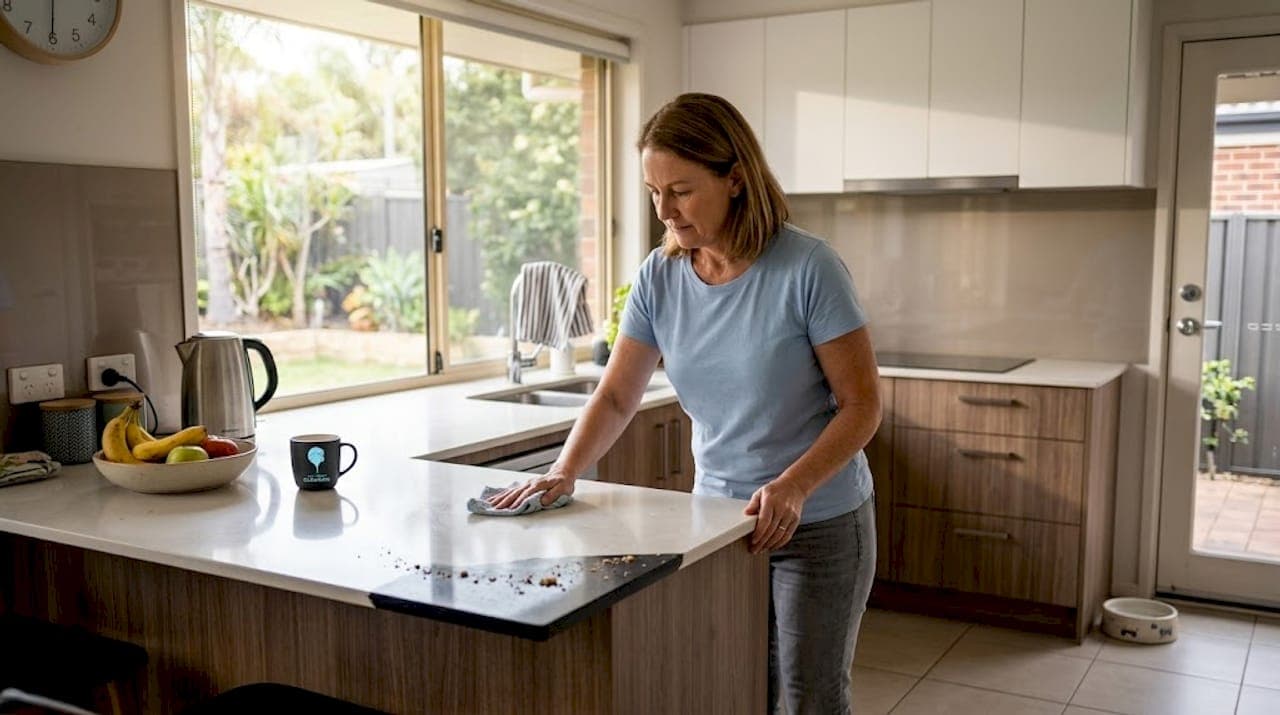
Keeping your home genuinely clean is harder than it looks. Between muddy boots, humid summers, and the daily movement of people through shared spaces, Australian households face a steady stream of contamination risks. Most families manage visible dirt well enough, but germs, mould, and bacteria often thrive in places that look perfectly fine. This article breaks down the hygiene practices that actually protect your family's health, backed by research and tailored to the realities of Australian home life. From handwashing technique to mould prevention, you'll find practical, evidence-based steps you can act on straight away.
Table of Contents
- Setting a hygiene standard: What matters most
- Hand and surface hygiene: First line of defence
- Smart kitchen hygiene: Safe food, safe home
- Managing moisture and mould: Keep damp at bay
- Bathroom and toilet hygiene: Preventing hidden hazards
- Why the 'cleanliness myth' misleads Australian homeowners
- Take your home hygiene to the next level
- Frequently asked questions
Key Takeaways
| Point | Details |
|---|---|
| Target high-risk areas | Focus cleaning on kitchens, bathrooms, and high-touch surfaces for the best hygiene results. |
| Cleaning beats disinfecting | Regular cleaning removes most germs; save disinfectants for illness or contamination. |
| Moisture management | Keep your home dry and ventilated to prevent mould and bacteria. |
| Smart kitchen routines | Replace sponges often and sanitise after handling raw foods to avoid bacterial spread. |
| Professional support | Expert cleaners can handle deep cleans and risky jobs for extra peace of mind. |
Setting a hygiene standard: What matters most
Before reaching for any cleaning product, it helps to have a clear framework for what good home hygiene actually looks like. Not every surface needs the same attention, and not every cleaning task needs to happen every day. The key is knowing where health risks are highest and directing your effort there.
Four criteria help you evaluate any hygiene practice:
- Frequency: How often does this surface or area actually get touched or contaminated?
- Effectiveness: Does the method you're using actually reduce germs or just move dirt around?
- Safety: Are the products appropriate for your household, including children and pets?
- Practicality: Can you realistically keep this up week after week without burning out?
Using these four criteria, most homeowners quickly realise that two practices stand above the rest: hand hygiene and regular surface cleaning. Hand hygiene is foundational for preventing the spread of germs throughout your home. No other single habit has as much impact on day-to-day health, particularly during cold and flu season.
Regular cleaning matters too, but the where is just as important as the how. High-touch surfaces, things like door handles, light switches, tap handles, and bench tops, carry far more germ load than, say, a bookshelf or a window sill. You'll find useful context for building consistent routines through home cleaning best practices that suit Australian households.
Pro Tip: Before your next clean, walk through your home and note every surface you or your family touch more than five times a day. That list is your hygiene priority map, and it's probably shorter than you'd expect.
Hand and surface hygiene: First line of defence
With a solid framework in place, the next step is turning it into concrete action. Hands and surfaces are where most germ transfer happens in the home, and both are easy to address with the right technique.
For handwashing, the method matters as much as the frequency. Soap and water for 20 seconds is the gold standard, covering all hand surfaces including between fingers and under nails. Key moments to wash hands include:
- After using the toilet
- Before preparing or eating food
- After handling raw meat or eggs
- After blowing your nose, coughing, or sneezing
- After touching bin lids, pet bowls, or outdoor surfaces
For surfaces, a two-step process works well. First, clean with detergent and water to physically remove dirt and organic matter. Then, if the situation calls for it, follow with a disinfectant. Disinfect only after illness or raw meat spills; cleaning alone is usually enough for everyday maintenance. This is an important distinction that saves money and reduces unnecessary chemical exposure.
Sanitiser with at least 60% alcohol is a reasonable backup when handwashing isn't possible, but it doesn't replace soap and water. It works poorly if hands are visibly dirty or greasy, and it's less effective against certain viruses.
You can build a more thorough surface routine using practical cleaning strategies that cover each room systematically. For households with young children or elderly residents, the value of consistent routine cleaning essentials becomes even more pronounced.
Pro Tip: Bleach solutions lose their effectiveness quickly once mixed with water, often within 24 hours. Always prepare a fresh solution before each use rather than storing diluted bleach for later.
Smart kitchen hygiene: Safe food, safe home
The kitchen is where hygiene mistakes carry the highest consequences. Food contamination can make people seriously unwell, and yet the kitchen is also one of the most overlooked spaces when it comes to proper sanitising.
It helps to understand the difference between cleaning and sanitising. Cleaning removes visible dirt and food residue using detergent. Sanitising reduces the number of germs on a surface to a safe level, typically using heat or a chemical sanitiser applied after cleaning. Both steps are necessary in food preparation areas, and neither alone is sufficient.
Kitchen sponges are frequently contaminated with harmful bacteria, making them one of the biggest hidden hygiene risks in the home. Replace sponges every one to two weeks, or microwave a damp sponge for 60 seconds daily to reduce bacterial load significantly.
| Kitchen item | Cleaning method | Sanitising needed? |
|---|---|---|
| Chopping boards | Hot soapy water after each use | Yes, after raw meat |
| Bench tops | Wipe with detergent and warm water | Yes, daily or after raw food prep |
| Sink and taps | Scrub with detergent weekly | Yes, if contaminated |
| Dish sponges | Replace fortnightly | Microwave daily |
| Fridge interior | Warm water and bicarbonate soda | No, unless spills occur |
A few key rules for kitchen cleaning process that many people miss:
- Never use a dry brush or cloth on surfaces that have touched raw meat. Use detergent and water first, then sanitise.
- Keep raw meat separate from ready-to-eat foods in the fridge, always on the lowest shelf.
- Wash tea towels and dish cloths at least twice a week, or more often if they smell damp.
These kitchen hygiene strategies apply just as well in smaller kitchens as in large family homes.
Managing moisture and mould: Keep damp at bay
Australia's climate creates conditions where mould can take hold quickly, particularly in bathrooms, laundries, and poorly ventilated rooms. Mould isn't just unsightly. It's a genuine health risk, especially for people with asthma or respiratory conditions.
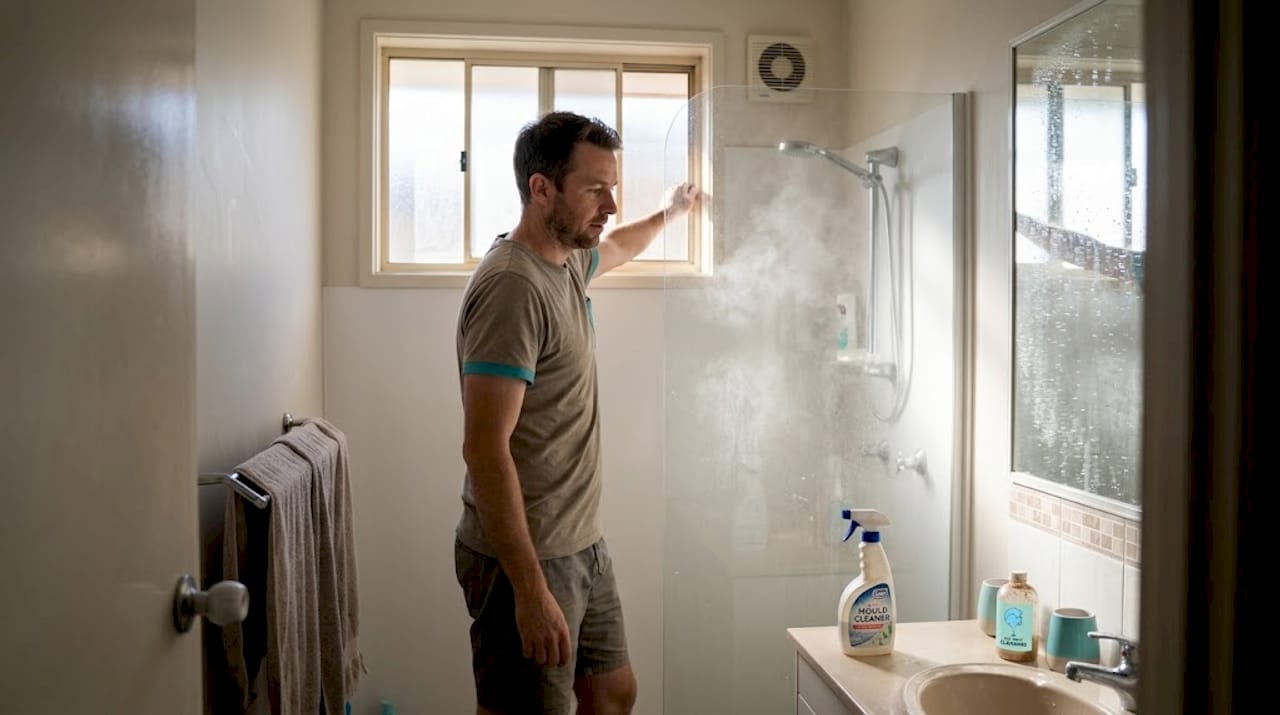
Mould is controlled by minimising indoor moisture and using proper cleaning agents. Ventilation is your first line of defence. Open windows after showers, use exhaust fans consistently, and avoid drying clothes indoors where possible.
| Cleaning solution | Pros | Cons |
|---|---|---|
| White vinegar | Safe, effective on light mould | Slower acting, not for porous surfaces |
| Bleach solution | Fast acting, kills spores | Fumes, can damage surfaces, irritating |
| Detergent and water | Gentle, widely available | Removes mould but doesn't kill spores |
Common sources of hidden moisture that homeowners often overlook:
- Leaking pipes behind walls or under sinks
- Condensation on windows that drips onto sills and frames
- Poor drainage around air conditioning units
- Overflowing gutters directing water toward internal walls
- Wet laundry left sitting in the machine overnight
Washing bedding and towels in hot water (above 60°C) weekly kills dust mites and reduces mould spore transfer between rooms. This is especially important in humid coastal regions. For a thorough seasonal reset, the spring cleaning tips we've put together are a solid starting point for tackling mould-prone areas systematically.
Bathroom and toilet hygiene: Preventing hidden hazards
Bathrooms concentrate several hygiene risks in one small space: moisture, waste, and frequent contact surfaces. The good news is that a consistent routine handles most of these risks effectively.
Start with what goes down the toilet. Flush only toilet paper and wastewater to prevent sewer blockages and potential overflow events. Wet wipes, cotton buds, nappies, and paper towels all cause blockages, even products labelled as flushable.
A step-by-step deep clean for the bathroom:
- Remove all items from surfaces and spray toilet, sink, and shower with appropriate cleaner.
- Let the cleaner sit for five minutes before scrubbing.
- Clean the toilet bowl with a dedicated brush, working under the rim thoroughly.
- Wipe down all surfaces including taps, handles, and flush buttons.
- Mop the floor last, working from the furthest corner toward the door.
Stat callout: Bleach solutions are effective for disinfection but lose potency within 24 hours once diluted. Never store mixed solutions expecting them to stay active.
If a sewer overflow occurs, the overflow relief gully (ORG) outside your home is designed to release pressure before sewage backs up inside. Once the situation is resolved, disinfect any affected areas immediately with a fresh bleach solution, wearing gloves and eye protection throughout. For bathroom cleaning best practices that go room by room, a structured approach will always outperform ad hoc scrubbing.
Why the 'cleanliness myth' misleads Australian homeowners
There's a widespread belief that more cleaning equals more protection. It doesn't, and in some cases it works against you. Excessive use of disinfectants and strong chemicals in the home increases your family's exposure to irritants, contributes to antibiotic resistance in the broader environment, and takes time that could be spent on higher-impact tasks.
The evidence is clear: cleaning alone removes most germs and disinfection is only warranted in specific, higher-risk situations. Over-cleaning low-risk areas, like wiping down bookshelves with bleach or sanitising already-clean door handles multiple times a day, adds no meaningful health benefit.
The smarter approach is routine-based, targeted hygiene. Focus your effort on genuinely high-risk areas and moments: before and after food preparation, after illness, and in moisture-prone rooms. The benefits of routine cleaning come from consistency, not intensity. A household that cleans the right areas at the right intervals will always outperform one that scrubs everything randomly with the strongest products available.
Take your home hygiene to the next level
Sometimes your routine is solid but the workload gets ahead of you, after a big event, during illness recovery, or simply as seasonal deep cleans become overdue. That's where professional support makes a real difference.
At Just About Cleaning, we bring over 15 years of experience in residential and commercial cleaning across Australia. Our trained crews follow evidence-based hygiene protocols, use eco-friendly products, and work around your schedule. Whether you need a one-off deep clean or ongoing support to complement your home routine, we can help you maintain a consistently healthy, spotless living environment without the added stress.
Frequently asked questions
How often should I sanitise kitchen surfaces?
Sanitise kitchen surfaces daily, especially after preparing raw foods or if someone is unwell. Sanitising reduces germs after conventional cleaning, making it crucial following raw food preparation.
Do I need to disinfect after every clean?
Disinfect only after illness, raw meat spills, or high-risk contamination; routine cleaning is enough most of the time. Disinfecting is only necessary in specific circumstances, not as a daily routine.
What's the best way to stop mould returning?
Improve ventilation, remove moisture quickly, and use the right cleaning solution for the affected surface. Ventilation and proper cleaning are the two most effective tools for ongoing mould control.
Is hand sanitiser as good as soap and water?
No, soap and water are more effective and should always be the first choice. Sanitiser with 60% alcohol is less effective against certain germs and doesn't work well on visibly dirty hands.